

Buddhist temple Project: Practice 02
“I realized you were the same species as me a long time ago, Ms. Seorae.”
In the drizzle, with the dharma drum placed between their conversation, the two protagonists check each other’s hearts. They didn’t talk much in this scene, but the mood and background were impressive enough. It’s only in this scene that the two of them appear genuinely happy without any suspicion in the film ‘Decision to Leave.’ After the film was released, people started searching for information about the location. Songgwang-sa already had a reputation, but it became even more popular as a tourist destination among Koreans.
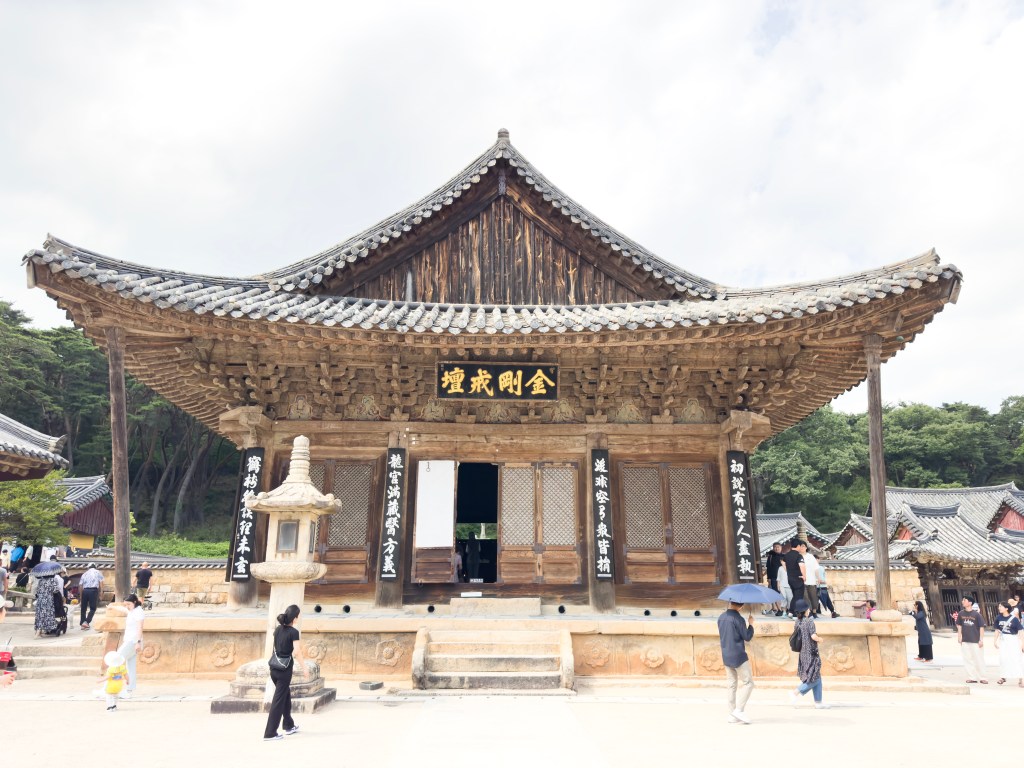


It used to be said that there are three jewels of Buddhist temples in Korea. Tongdo-Sa and Haein-Sa are located in Gyeongsang-Do province, while Songgwang-Sa is located in Jeolla-Do. This concept is connected with the Triratna (Three Jewels of Buddhism): Buddha, Dharma, Sangha, and these three jewels of Buddhist temples each represent a concept from it. Tongdo-Sa represents Buddha itself, as it has enshrined Buddha’s real Sarira (Jewel of Buddha) in the Pagoda. Haein-Sa stands for Dharma due to its Palmandaejanggyeong (Tripitaka Koreana: Buddhist scriptures carved on Eighty Thousand wooden printing blocks).
Songgwang-Sa, the Buddhist temple introduced today, represents ‘Sangha,’ the Buddhist monk. This temple has produced 18 Great Gurus (mentors) in Korean history and is also known as the temple that houses a wide number of national treasures.
Why I made travel?
What drew me to travel there is that one Buddhist layman told me this temple is also known for its magnificent Yebul (chanting) time. Since I was already impressed by the chanting time in Tongdo-Sa, I made a decision quickly. Furthermore, they built a new temple stay building, which is getting known as an Instagram-worthy room among the youth. It ignited my excitement.
Public transportation
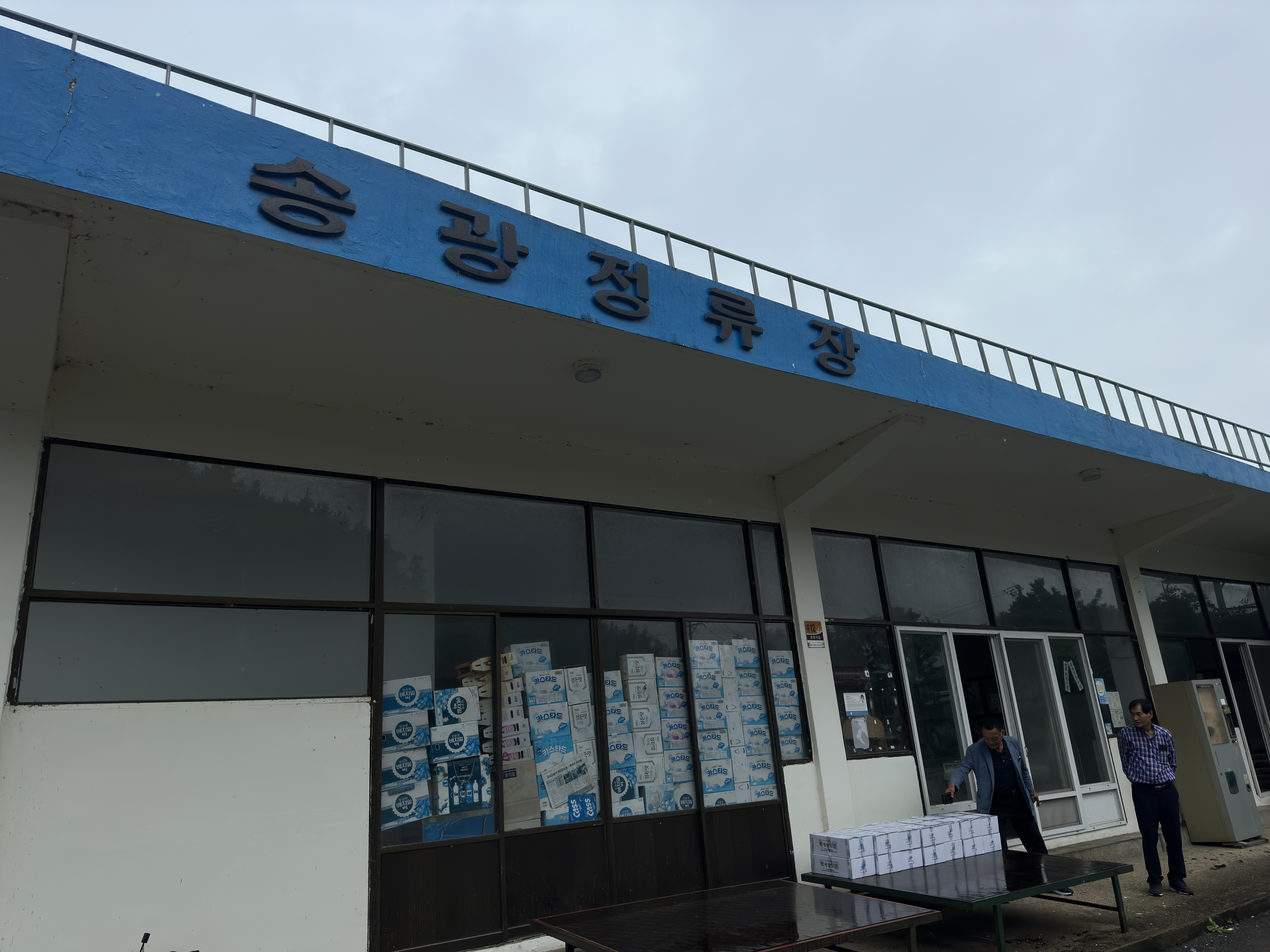
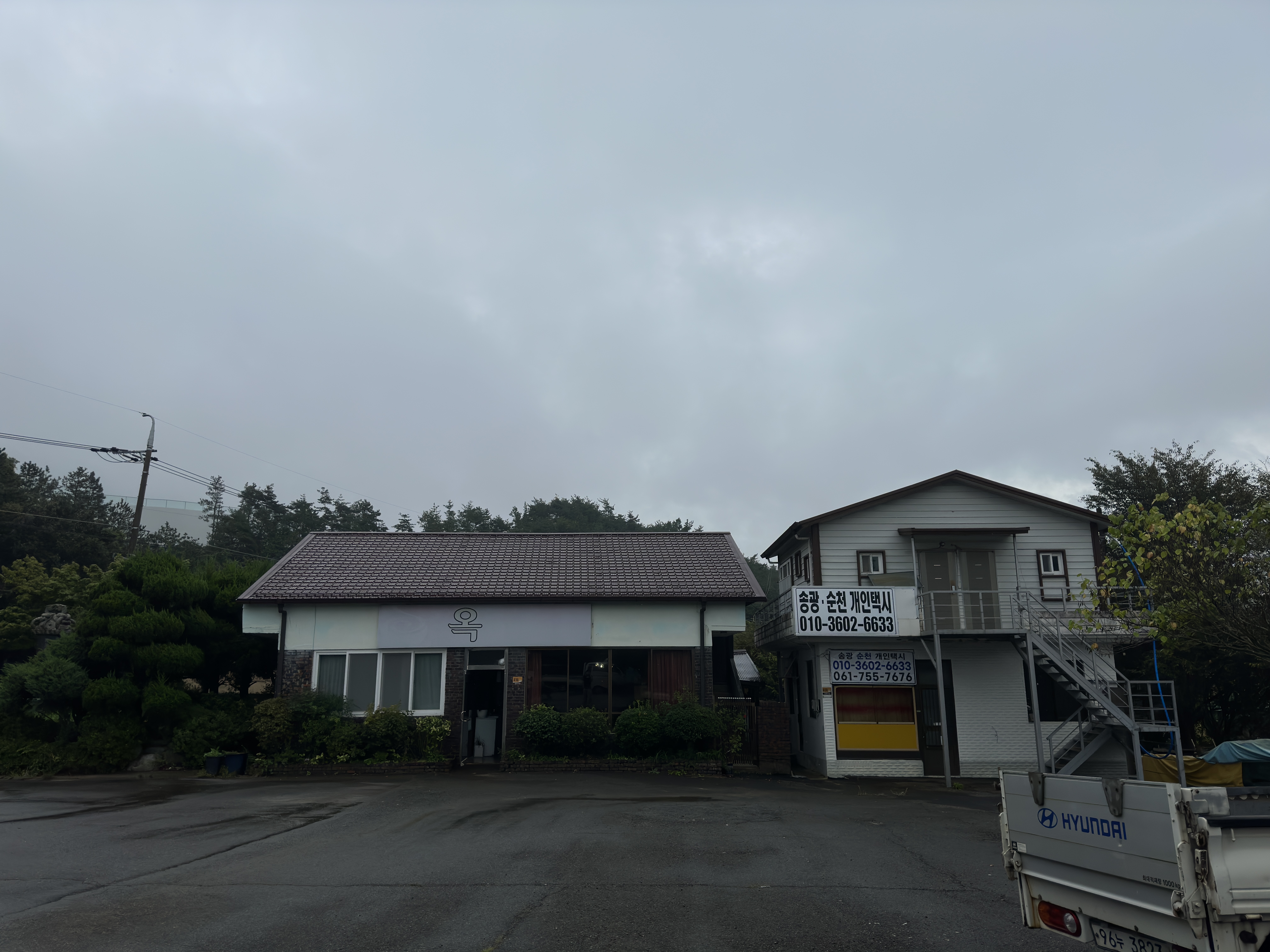
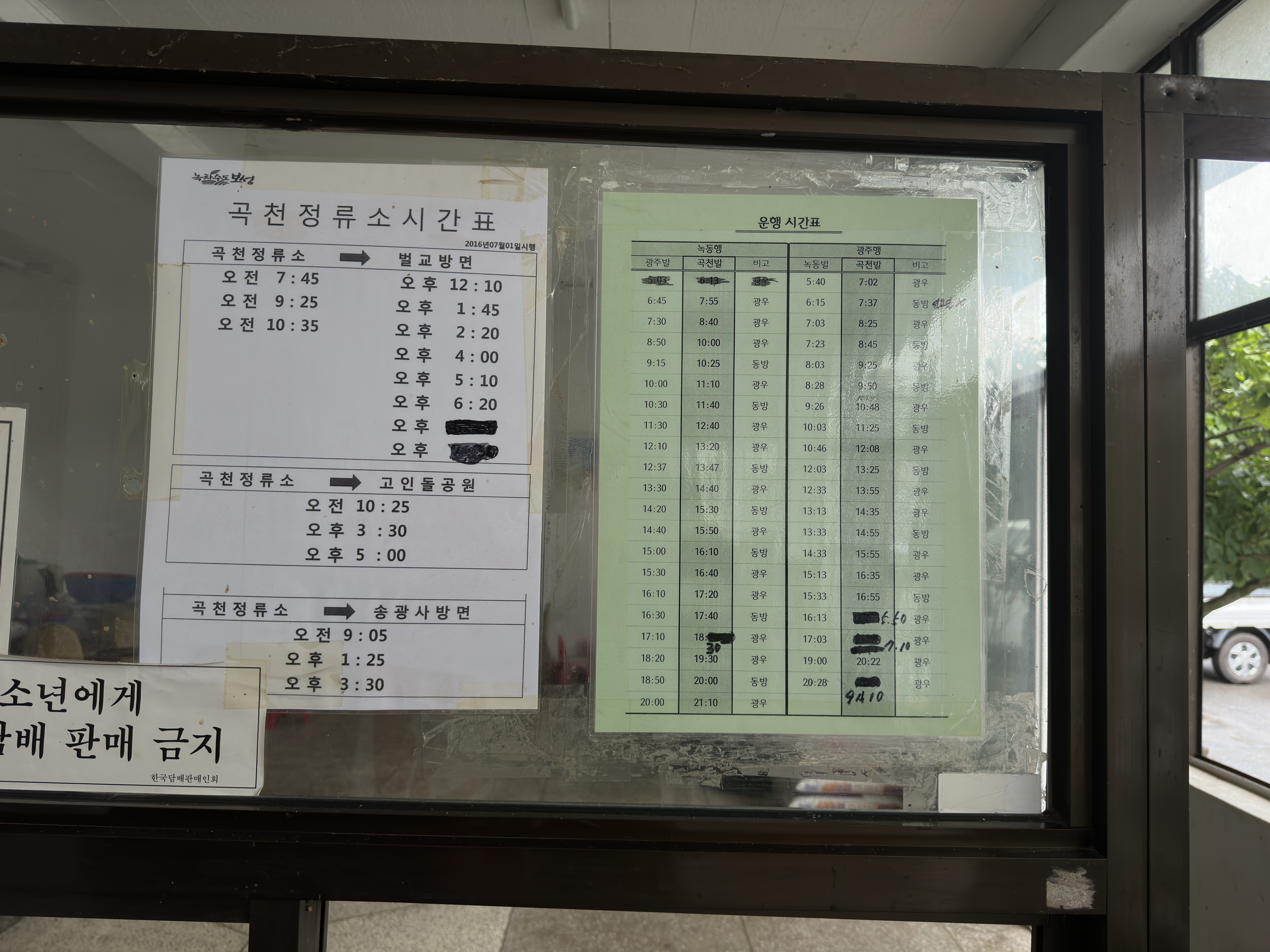
The journey to Songgwang-Sa is not easy. Living in Seoul, I anticipated more options for public transportation in Gwangju city, being the capital of Jeolla-Do. I planned to take an express bus to Gwangju and transfer to a domestic bus to Gokcheon(Songgwang) Bus station, then call a taxi to the Buddhist temple. Everything went according to plan until Gokcheon Bus station. However, only two taxis were available, with one driver having quit due to health issues, and the other being occupied with another task. Although the taxi ride was comfortable and the driver kind enough to drop me right in front of the temple stay office, I wouldn’t recommend it for non-Korean tourists.
Songgwang-Sa is located in Suncheon city, known for its excellent public transportation options. I recommend taking the KTX to Suncheon station and then boarding bus number 111, which heads to Songgwang-Sa. Although the bus service may have long intervals, it offers great value as a mode of public transportation.
How Songgwang-Sa looks?
Despite being founded 1,500 years ago, the temple appears well-maintained. I once arrived a week early due to confusion over the schedule, but the manager kindly accommodated me. Luckily, there was one room available in the new temple stay building, allowing me to relax in the room has tea places for two days.
About main hall
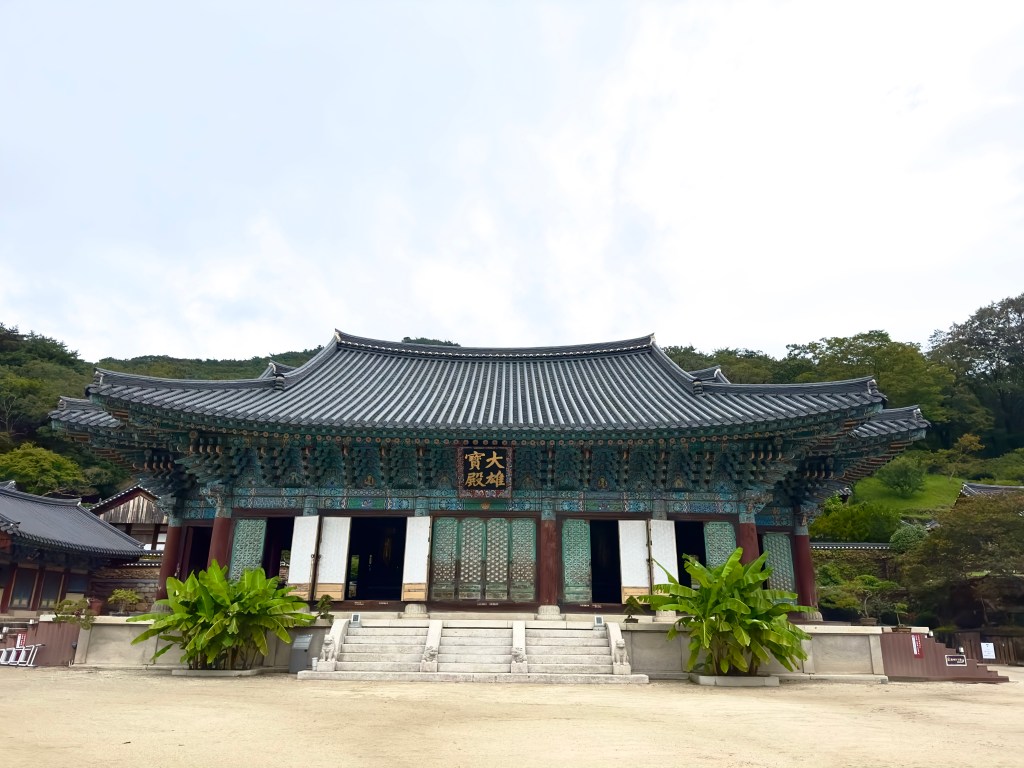
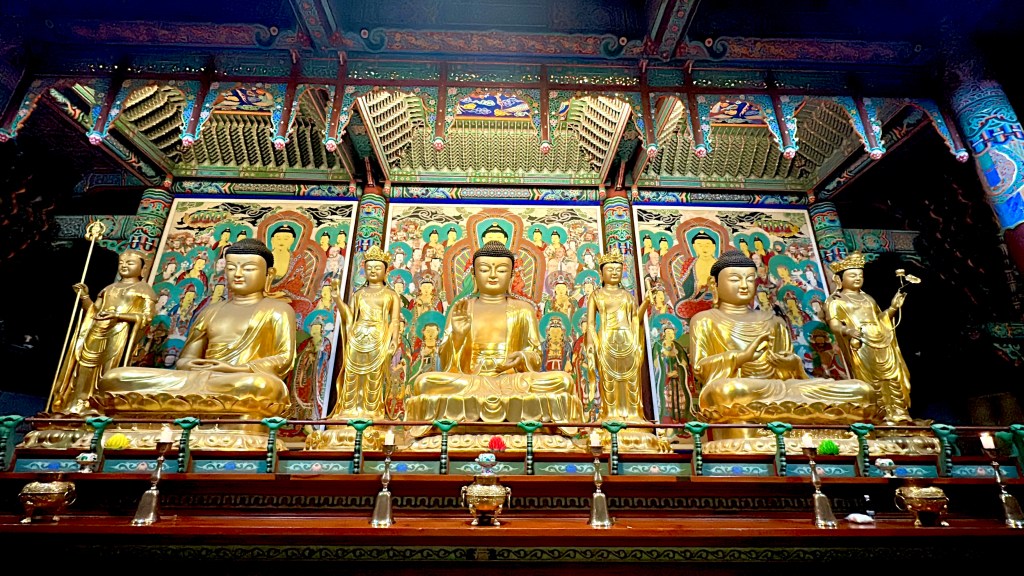
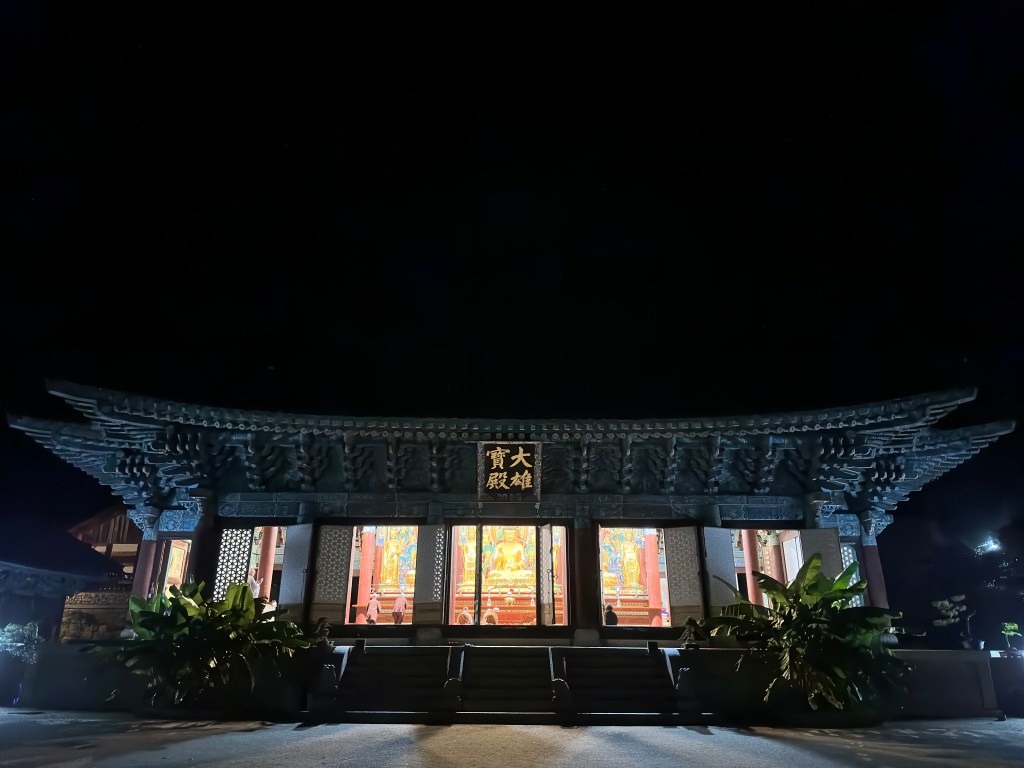
During my stay, the days were rainy, resembling scenes from a film. Despite the absence of direct sunlight, the rain provided ample illumination. During the orientation, a Buddhist monk led us on a tour of the temple grounds. The main hall of Songgwang-Sa is called Daewoong-Jeon, dedicated to Sakyamuni Buddha. The statue of Sakyamuni Buddha is flanked by six attendant Buddhas, three on each side.
Two of these sitting Buddhas, Amitabha and Bhaisajyaraja, are adorned similarly to Sakyamuni but differ in their mudras (hand gestures). Amitabha represents the Buddha of the Western Heaven, while Bhaisajyaraja is the Buddha of Medicine. Each of them is attended by additional statues: Amitabha by Majusiri and Avalokitesvara, and Bhaisajyaraja by Samantabhadra and Ksitigarbha. The main hall boasts a unique shape resembling the Chinese character ‘亞’. Given the temple’s significant number of Buddhist monks and lay practitioners, it also features an auditorium situated directly behind the main hall.

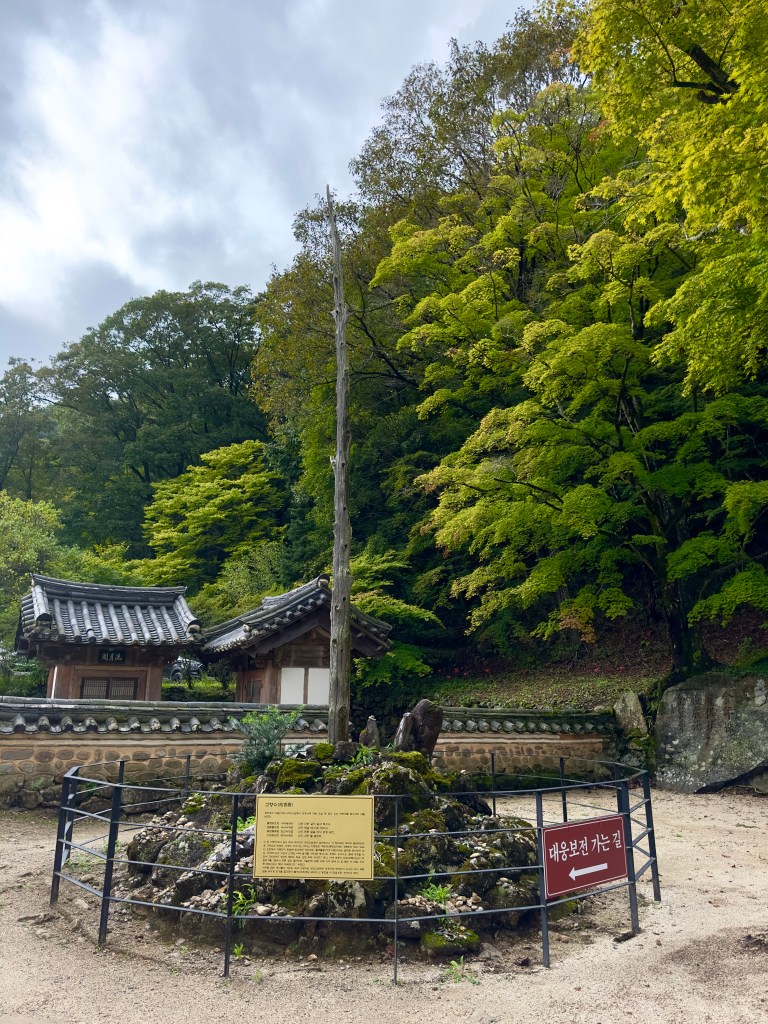
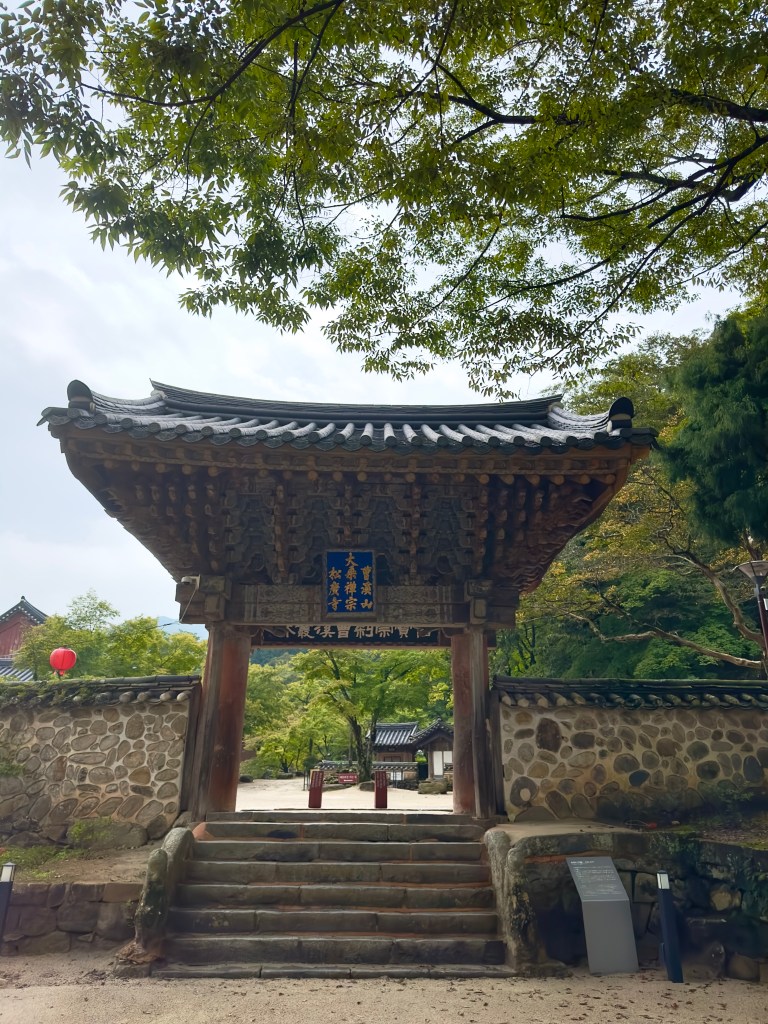
Other halls
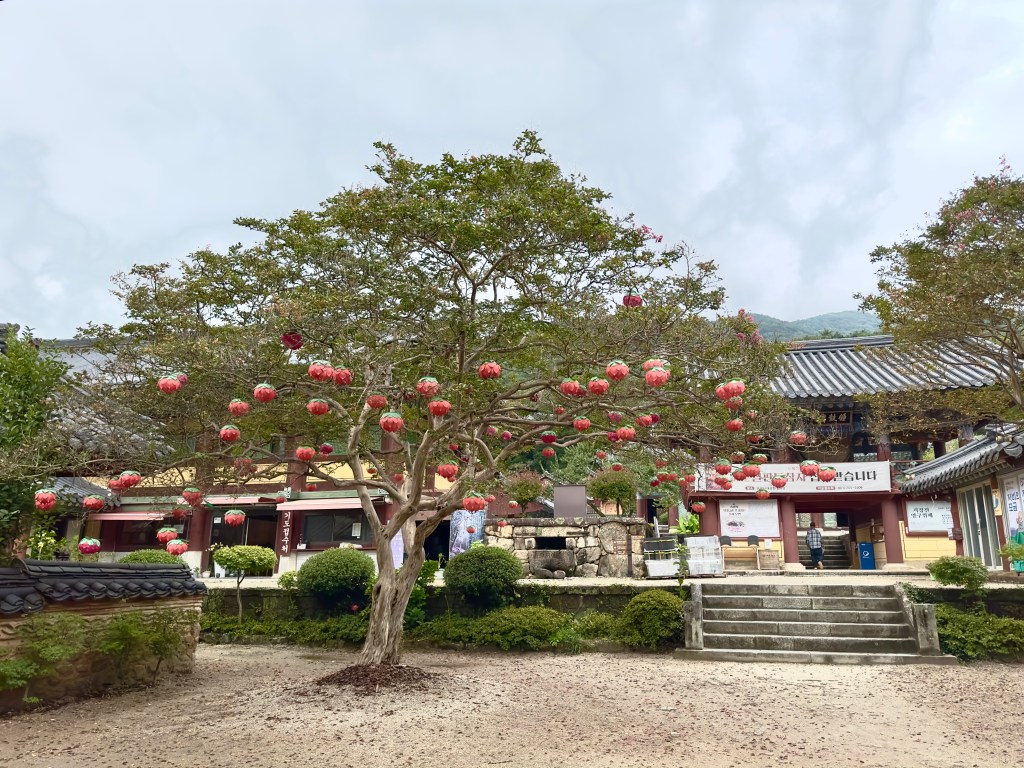
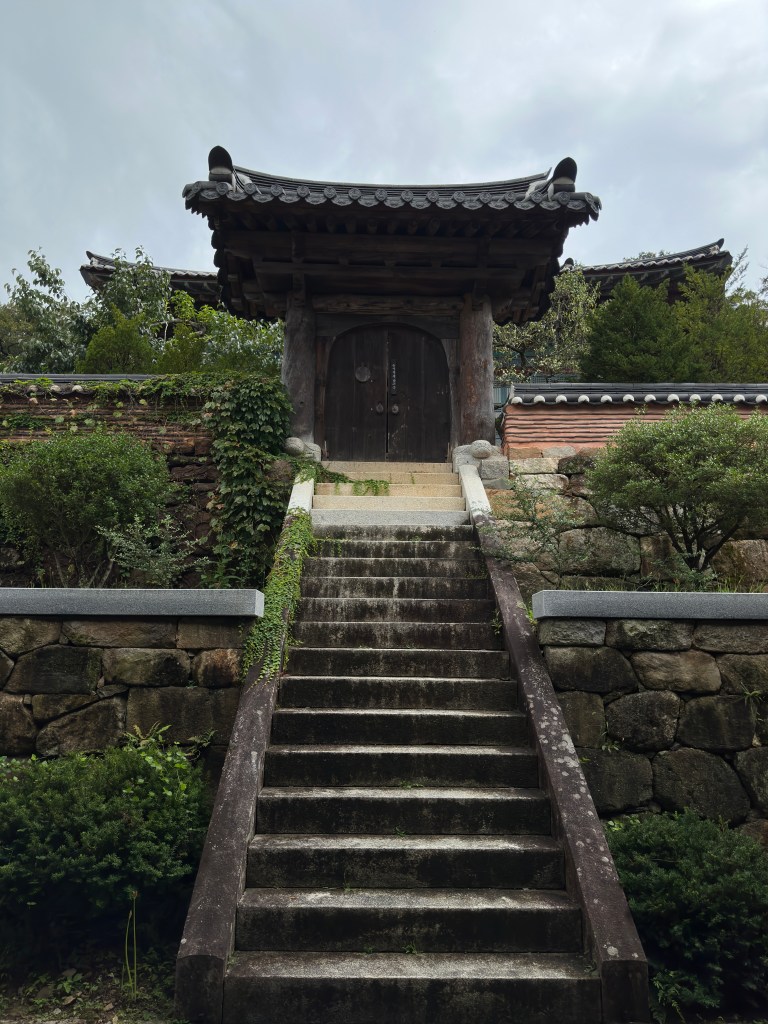
As I wandered through the temple grounds, I came across numerous small buildings enshrining various Buddhist statues, evoking images of the countless individuals who once sought solace here in its heyday. Adjacent to the main hall, the Jijang-Jeon, or Hall of Ksitigarbha, offers solace for the spirit, while the Guaneum-Jeon, dedicated to the beloved Bodhisattva Avalokitesvara, stands on the other side.
Near the entrance, the Yaksa-Jeon serves as the hall for Bhaisajyaraja, the Buddha of Medicine, seemingly acting as a gatekeeper. A Buddhist monk explained that this hall once functioned as a hospital in a time when modern medical systems were not as developed as they are today. One of the temple’s special buildings is the Guksa-Jeon, dedicated to enshrining the temple’s 18 Gurus. The term “Guksa” is a Korean approximation for “Guru,” giving the hall its name, Guksa-Jeon. Sadly, it isn’t open to public.


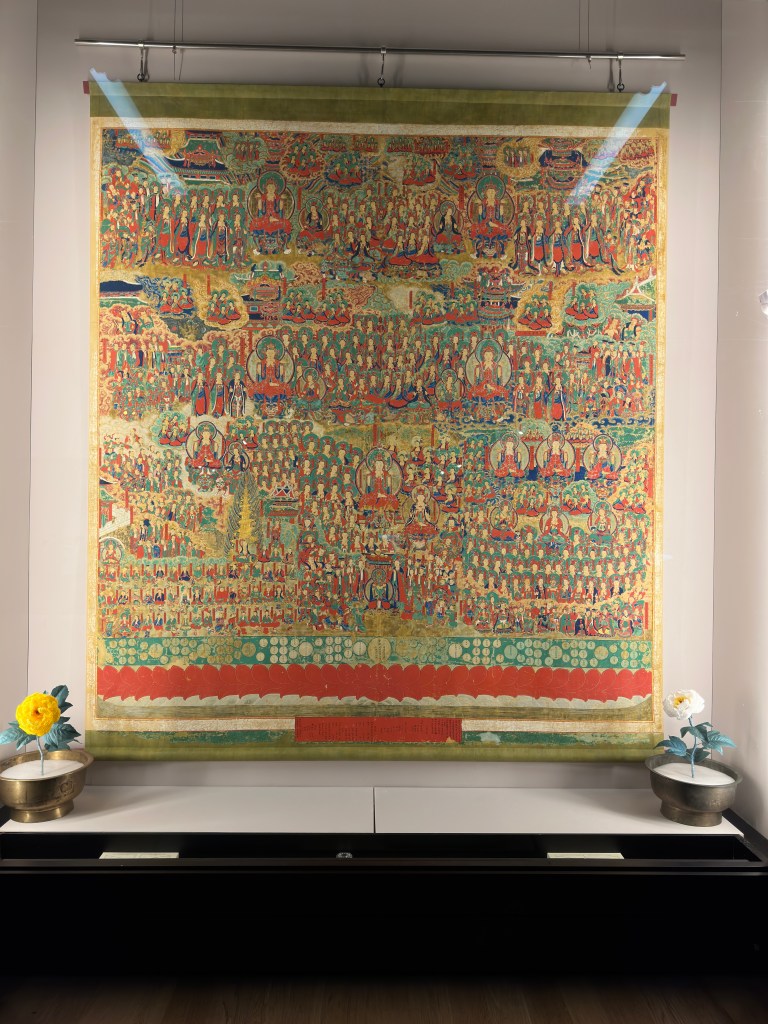
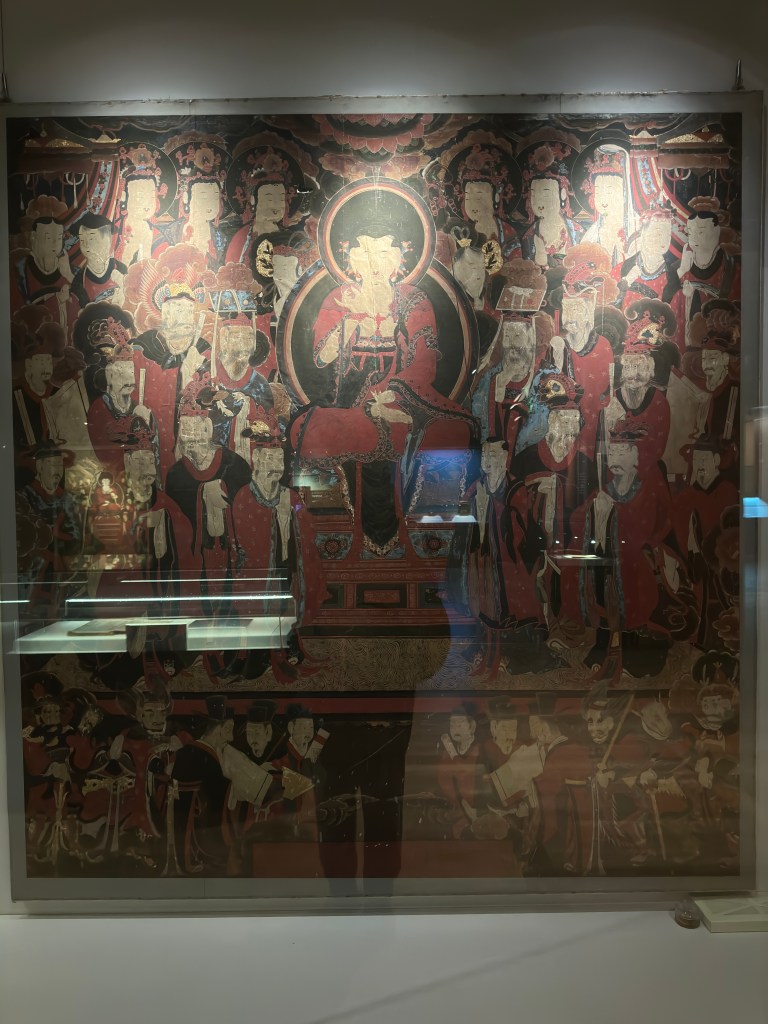
Treasure Museum
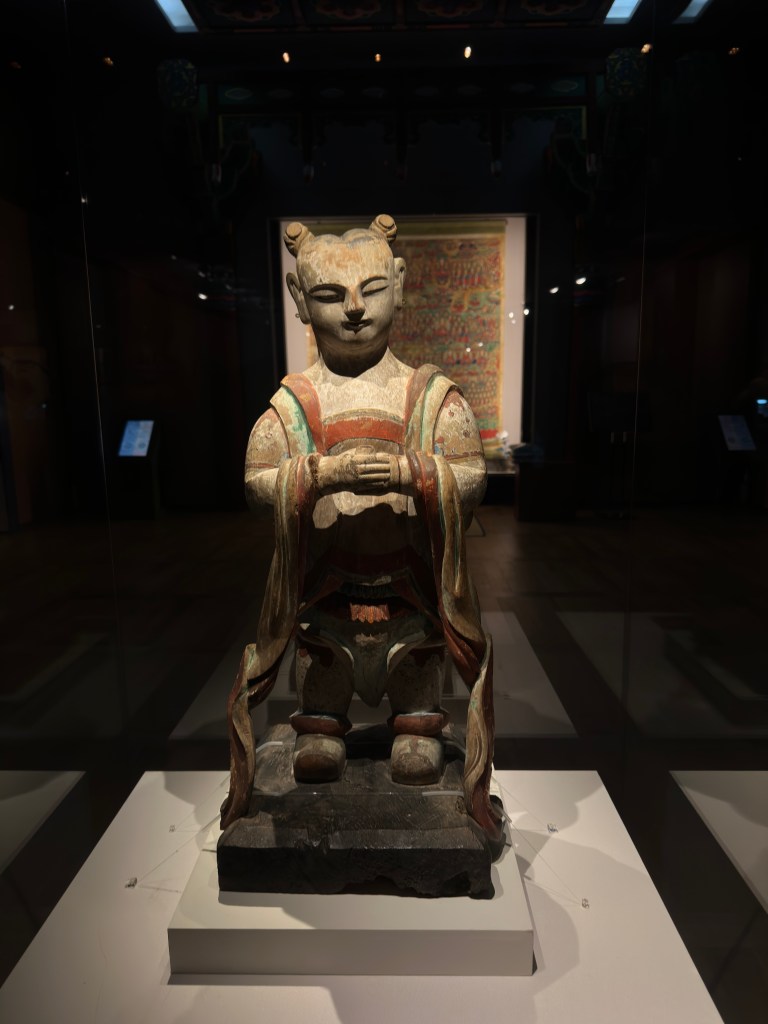
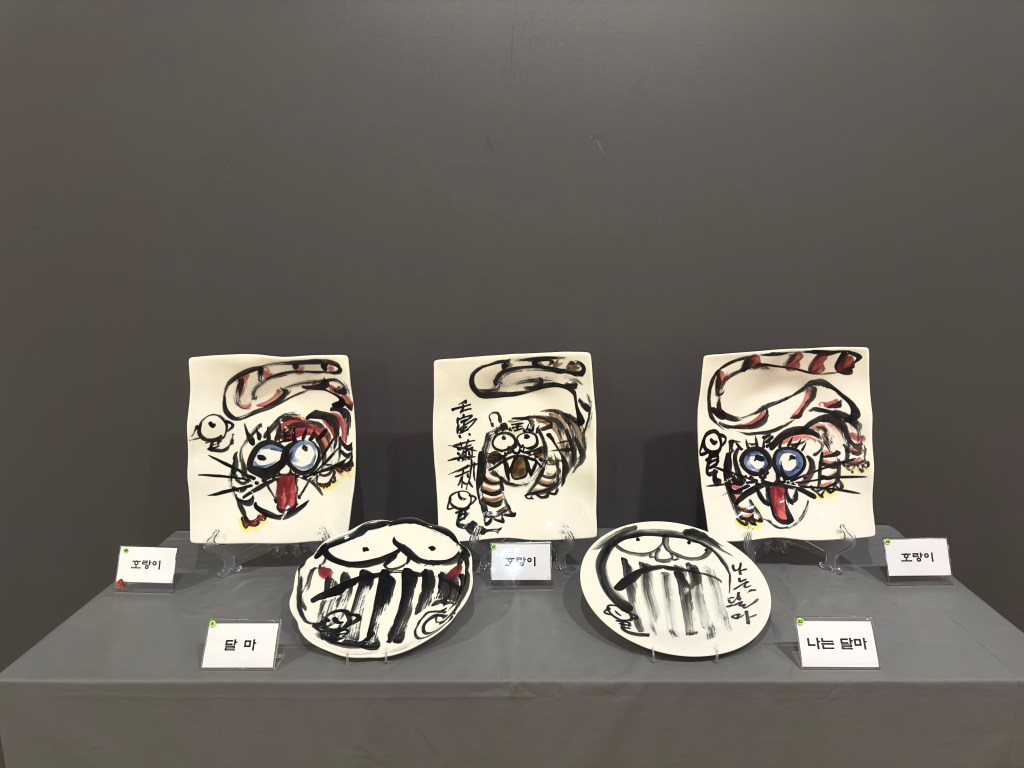
Alongside its rich history, the Buddhist Treasure Museum at Songgwang-Sa boasts a grand scale. Located on the path to the temple stay building, it offers a vast array of treasures, some designated by provincial governments, others as national treasures. During my visit, the museum displayed artwork by Buddhist monks, with themes changing according to the season. Though no guided tours were offered, the staff were exceptionally kind and helpful. Admission is free, making it a must-visit destination.
Healing program and chanting ceremony
I opted not to participate in any specific programs but instead chose to immerse myself in the tranquil atmosphere and observe the chanting ceremony. The night chanting commenced from Jonggo-Ru, one of the film’s settings. The graceful and reverent manner in which the Buddhist monks played the Samul (four traditional Korean musical instruments) was truly captivating. As it was the Haangeo (summer retreat season) for Korean Buddhists, I couldn’t experience the Yebul time (chanting time) to the extent I had hoped for, but it was nonetheless a deeply enjoyable experience.


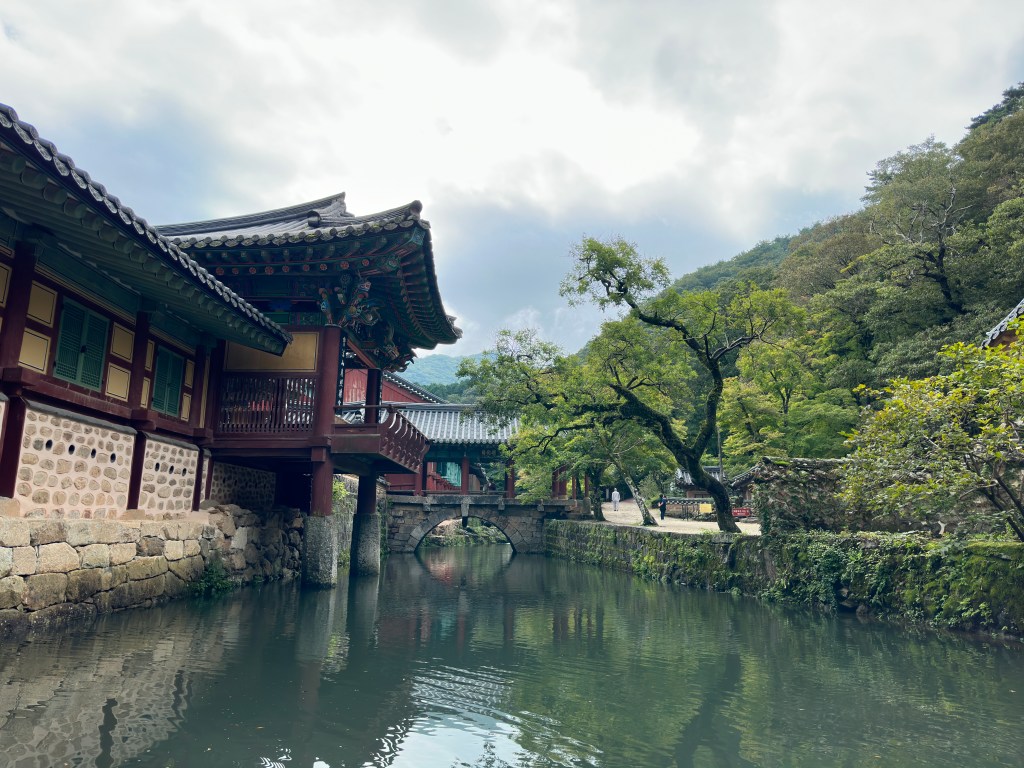
Strolling around
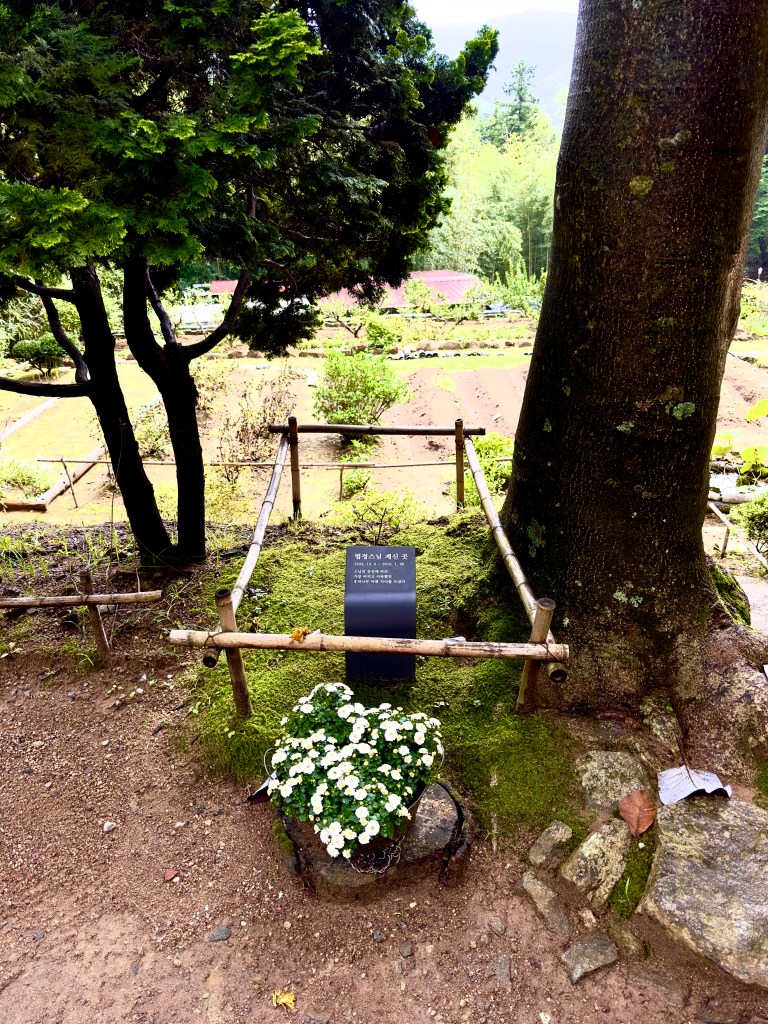
The Buddhist monk and staff highly recommended hiking to Bulil-Am (Bulil hermitage), where the revered Buddhist monk Beopjeong is buried. This hike, which took less than an hour, provided an opportunity to train my body and engage in meditation while walking. Upon returning, I reflected on the profound question of what love truly means, echoing the contemplations of Seorae and Haejun.
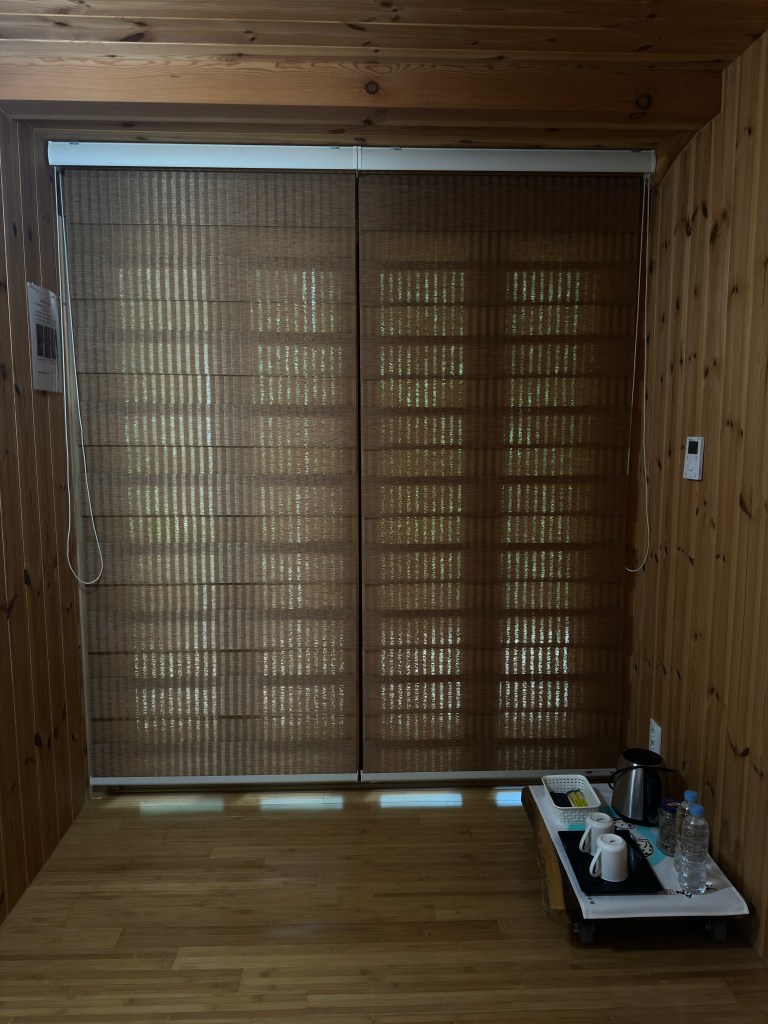
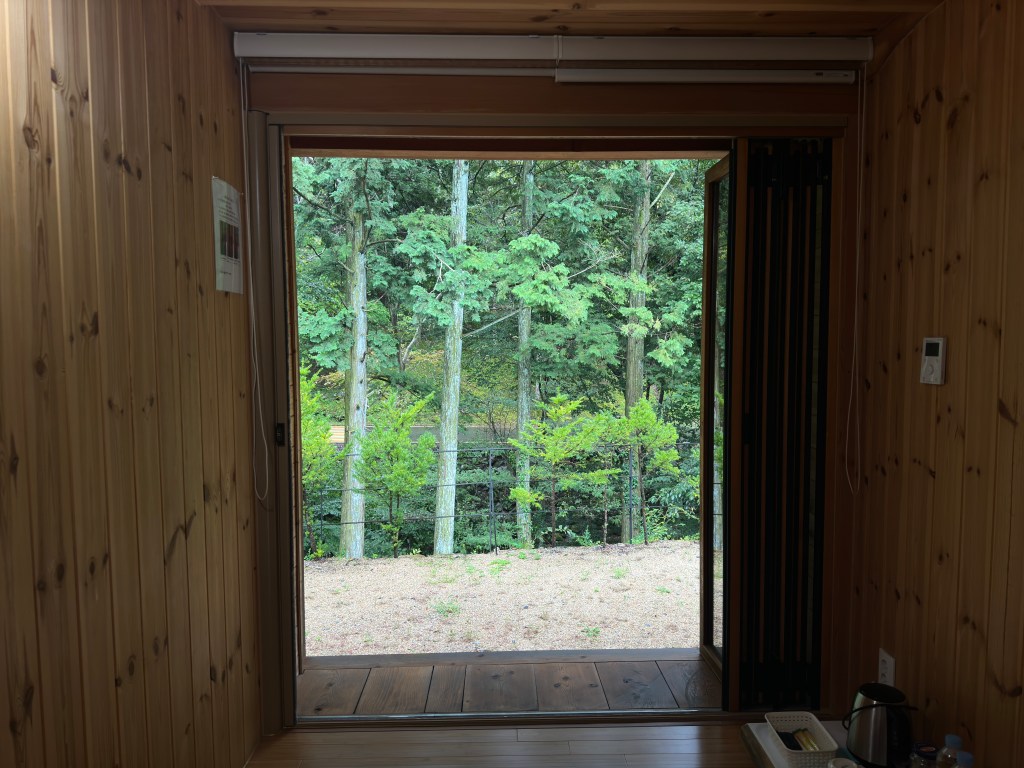
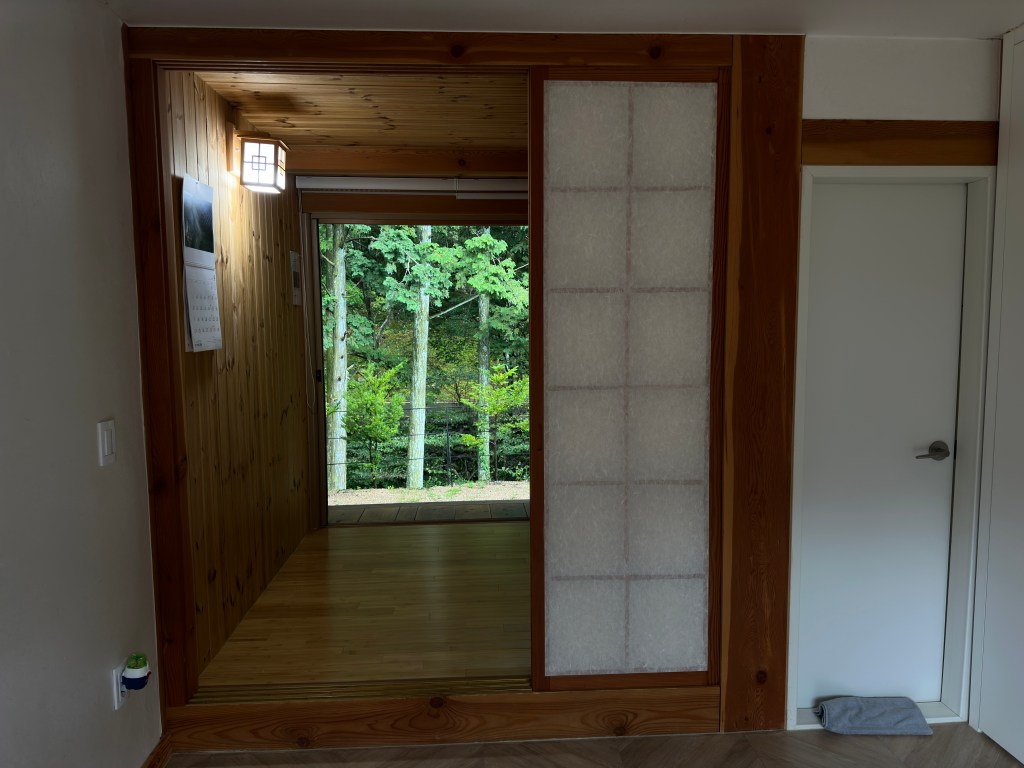
One of my favorite experiences in the temple was enjoying tea time in my room. Each room had its own tea room, all facing the mountain valley. Leaning against the sliding door, gazing at the valley and its flowing water, was another form of meditation. With the soothing sound of rain, I didn’t need any ASMR. My two days in the temple helped alleviate the stress of the secular world.
Tourism information.
Address
100, Songgwangsaan-gil, Songgwang-myeon, Suncheon-si, Jeollanam-do
Temple stay Website(only in Korean)
https://www.templestay.com/temple_info.asp?t_id=songgwangsa
Public transportation(Depart from Seoul)
- Ride KTX from Seoul staton or Yongsan station.
- Get off Suncheon station.
- Transfer to bus number 111 at the station side. It operates 13 times a day, with some having different destinations. Please ensure your destination before boarding. For the timetable, visit: link https://its.sc.go.kr:8443/internet/m/TimeTableDetail.view
- Get off from Songgwang-Sa
- Walk about 15 minutes to main entrance
* Tip: The bus timetable may change frequently based on regional circumstances. Plan to spend at least half a day for transportation. Visit the tourist information center at the railway station for assistance.
EZsPEDIA © 2024 by YUNMI LEE is licensed under CC BY-NC-ND 4.0
 EZ K-PEDIA
Leave a comment