

Buddhist temple Project: Practice 04
JeongGwan is one of the prominent Buddhist monks to non-Koreans, because she stars on the Netflix series ‘Chef’s Table.’ I hope to see her in person after saw that news. I discovered that she offers her unique cooking program at her hermitage, which belongs to BaekYang-Sa Buddhist Temple. That’s the first time I noticed BaekYang-Sa Buddhist temple.
Where is BaekYang-Sa?
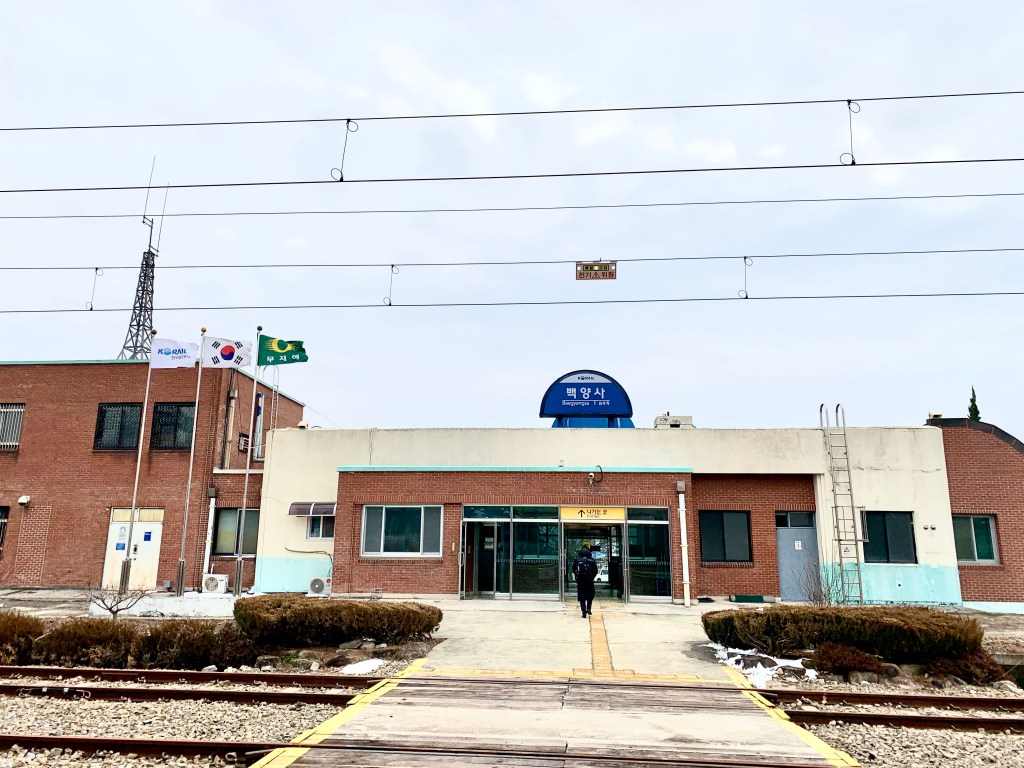
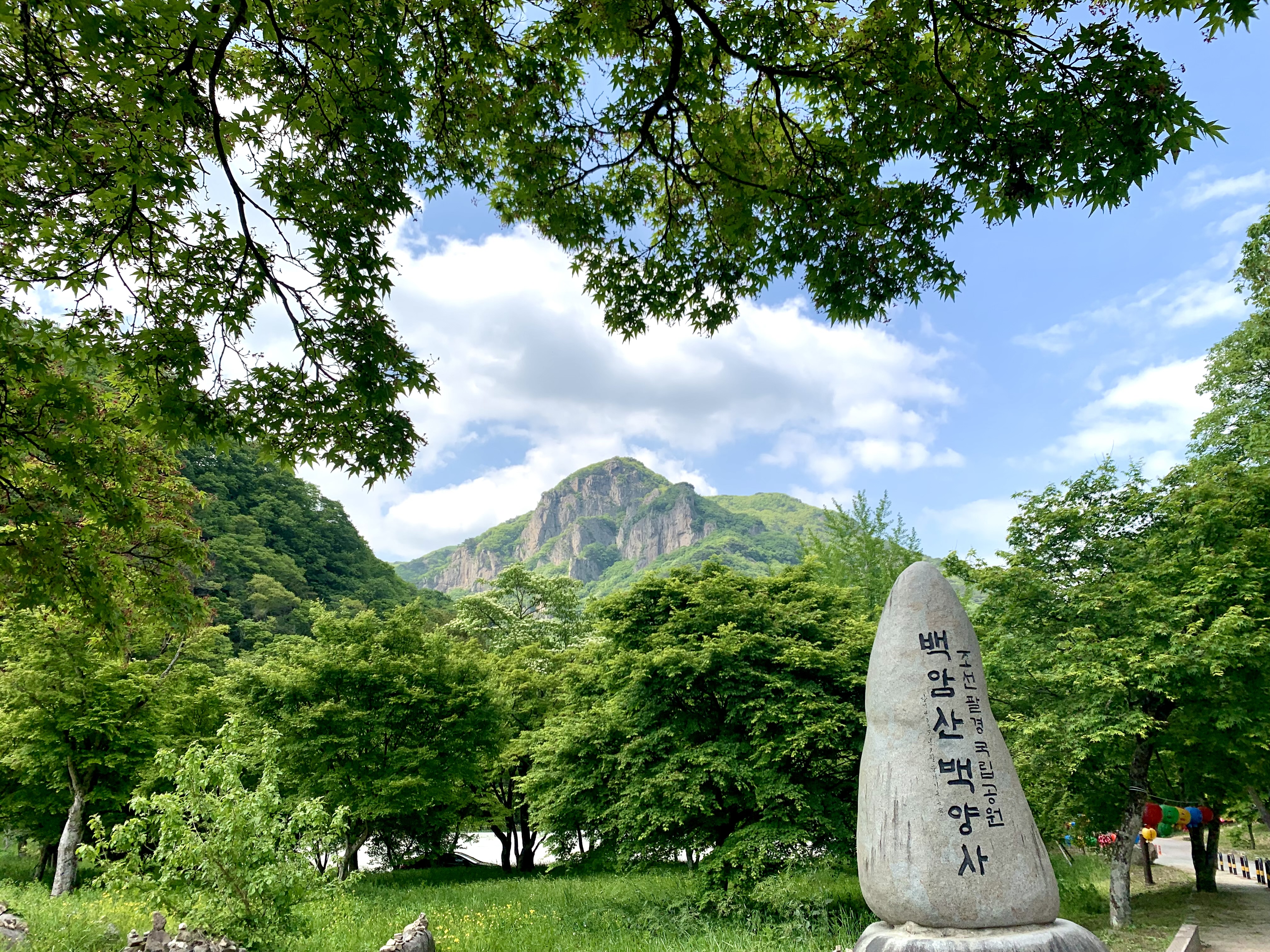
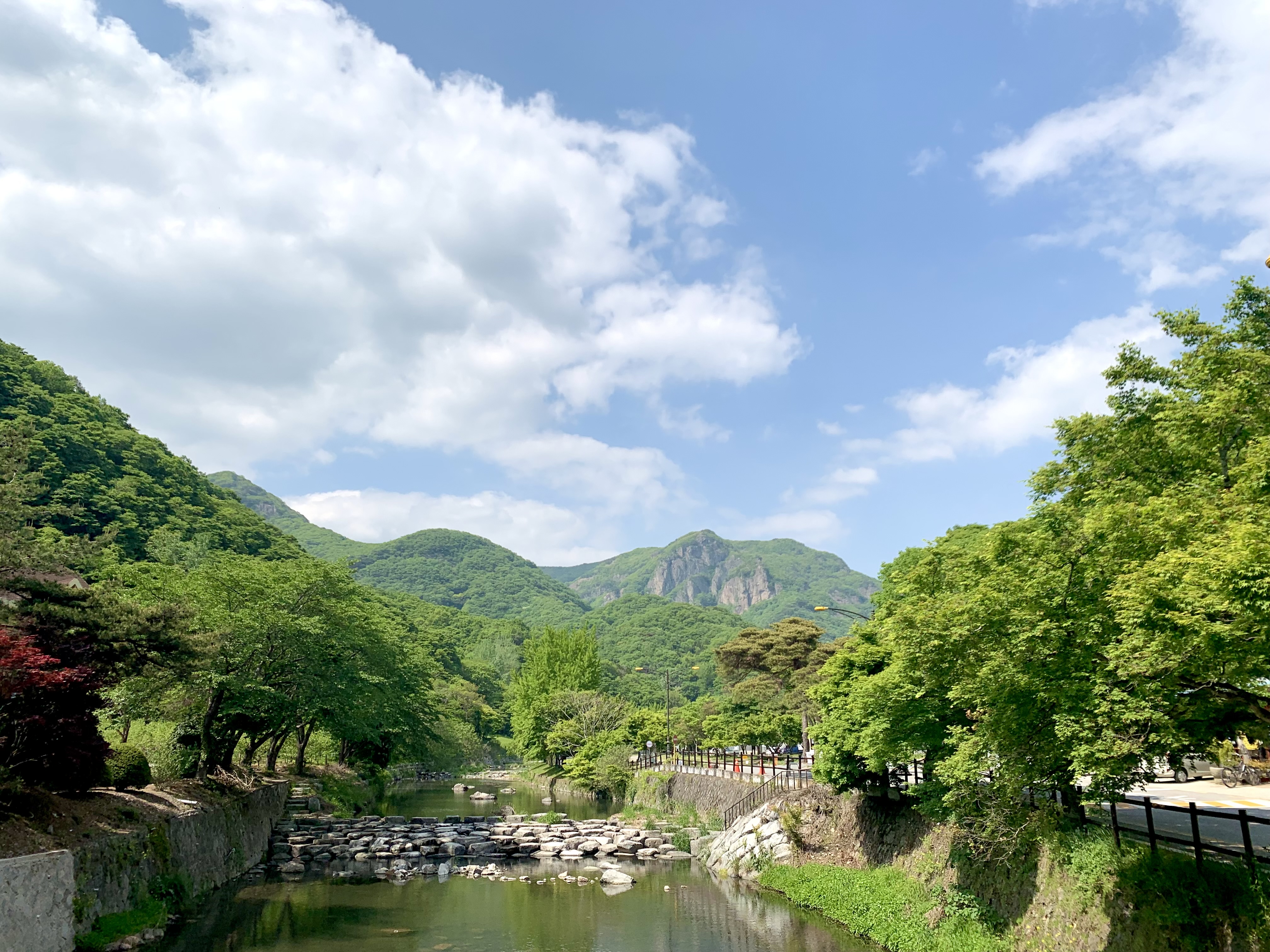
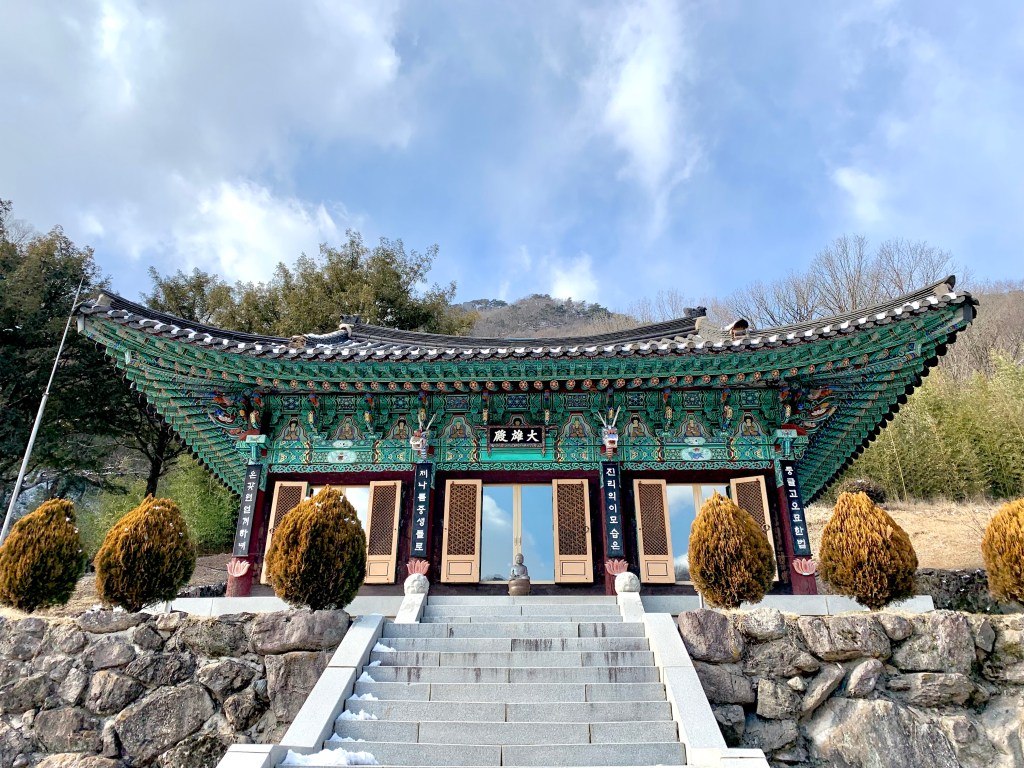
Baekyang-Sa is Buddhist Temple which is situated in JangSeong, Jeonra-Namdo Province. I had no idea there was such a gorgeous temple. It’s no wonder, as Baekyang Buddhist Temple is located in Najangsan National Park, known for its beautiful scenery during the fall foliage season. Additionally, photographers in Korea often capture authentic pictures in this place during the flower blooming season. Despite my initial lack of knowledge about the temple, it has built its fame to the extent of having its own railway station. When I first visited in winter, it offered a breathtaking view for all of us.

History
This temple was established around 1,400 years ago as ‘BaekAm-Aa’. It’s because the mountain where this temple is situated was surrounded by white (baek) rocks (am). This Buddhist temple has been ruined and rebuilt several times throughout history of Korea. Consequently, its name had changed few times when it rebuilt. In 1034 during the GoRyeo Dynasty, it was named JeongTo-sa (JeongTo: Sukhavati: Pure Land of Amitabha).
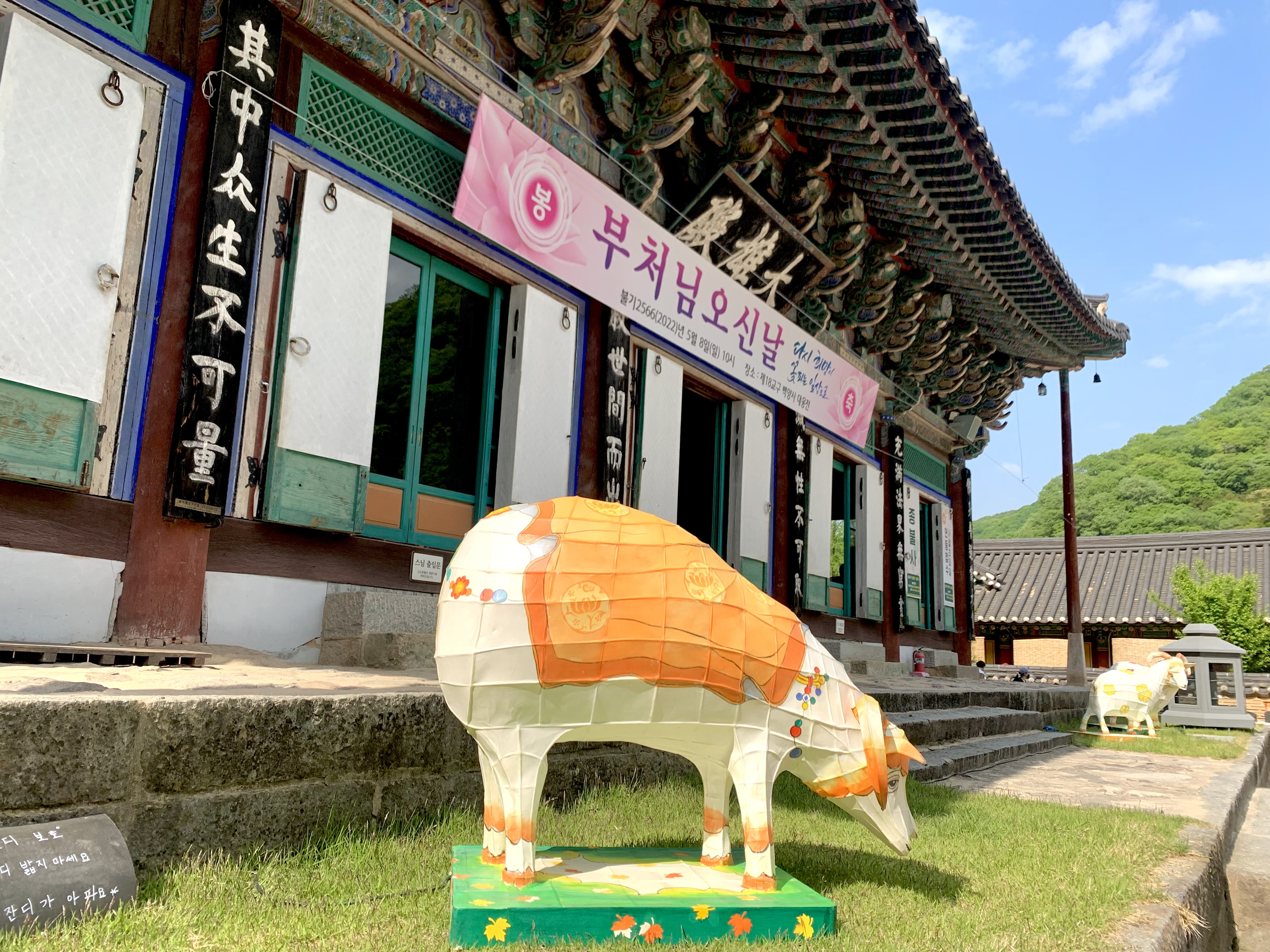
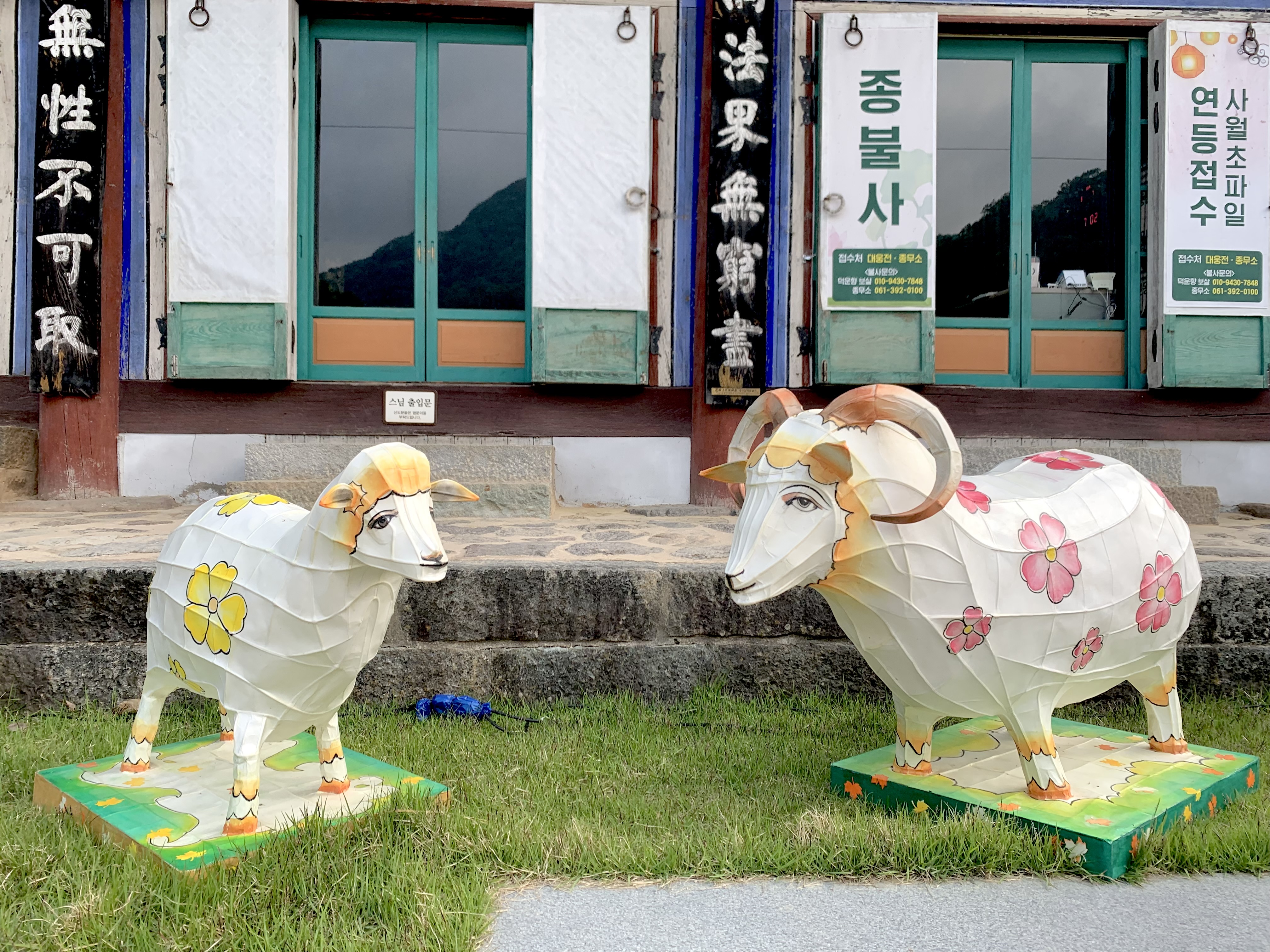
The current name was given in 1574 during the Joseon Dynasty by the Buddhist monk Hoan Yang Seon Sa. He preached the GeumGangGyeong (Vajracchedika Prajnaparamita Sutra: Diamond Sutra) at Youngcheon Cave. On the third day of his preaching, a white sheep attended and cried during his sermon. Hoan Yang Seon Sa dreamed on the seventh day that the white sheep told him, “I was a person who belonged to heaven but became an animal due to committing a sin. I am allowed to be reborn as a heavenly person again since I listened to your preaching.” Hoan Yang Seon Sa discovered the white sheep had died in front of his hermitage after the dream. Thus, he changed the temple’s name to Baekyang-sa, the Buddhist Temple of the White Sheep. It has been destroyed and restored several times since this legend. But has retained its name to this day. This temple still celebrate the legend with special sheep-shaped lanterns, a feature unique to Baekyang-sa, during the Buddha’s birthday.


Attractions
This temple offers a few viewing options depending on the season. In March, during the flower blooming season, visitors can admire the Gobulmae, a 350-year-old plum tree adorned with pink flowers. After the petals fall, the Nut-bearing Torreya tree, a prominent feature of the forest, showcases its natural treasure quality scenery. Visitors who have frequented the area suggest visiting in May, the season for the Nut-bearing tree.
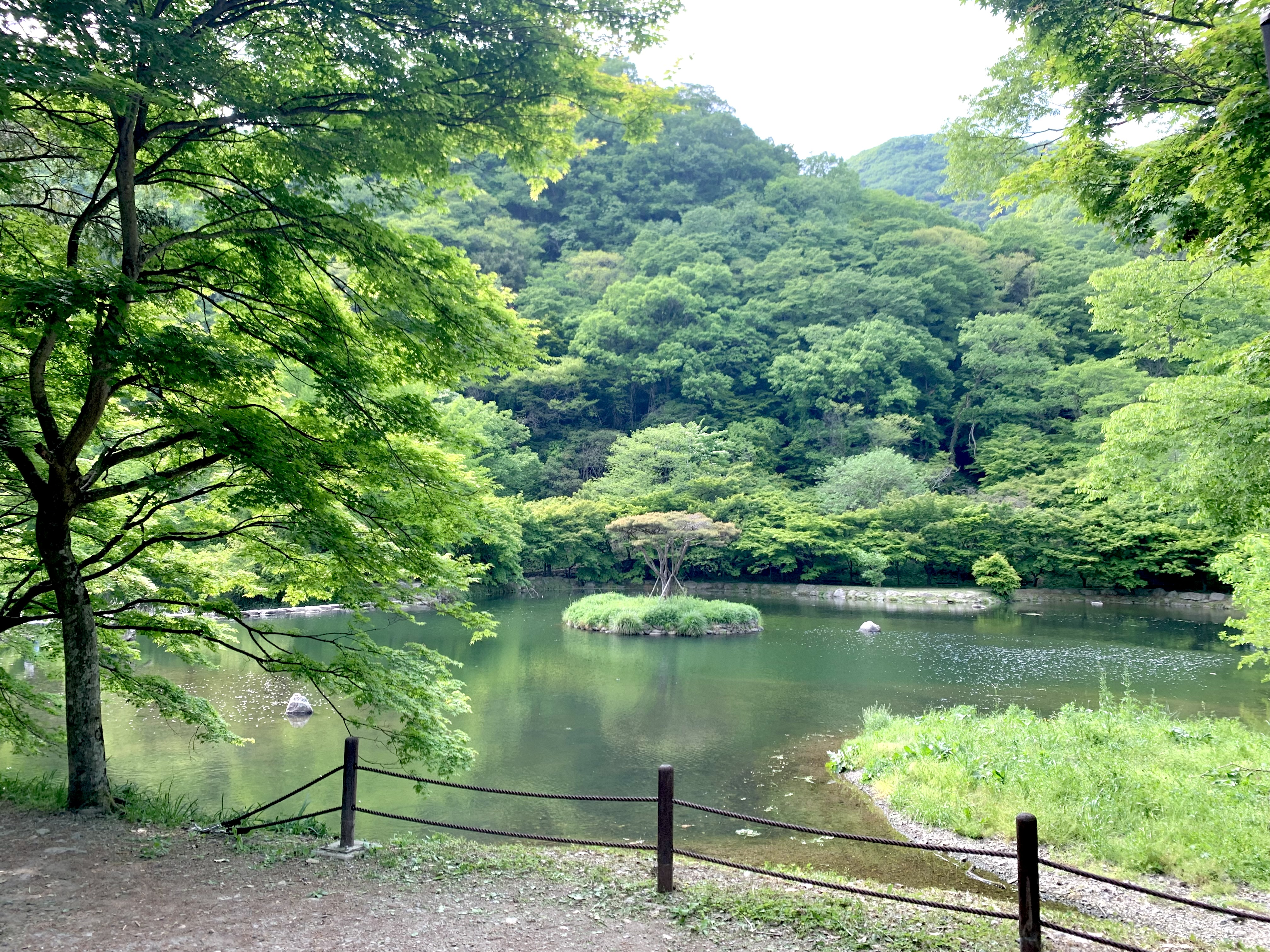
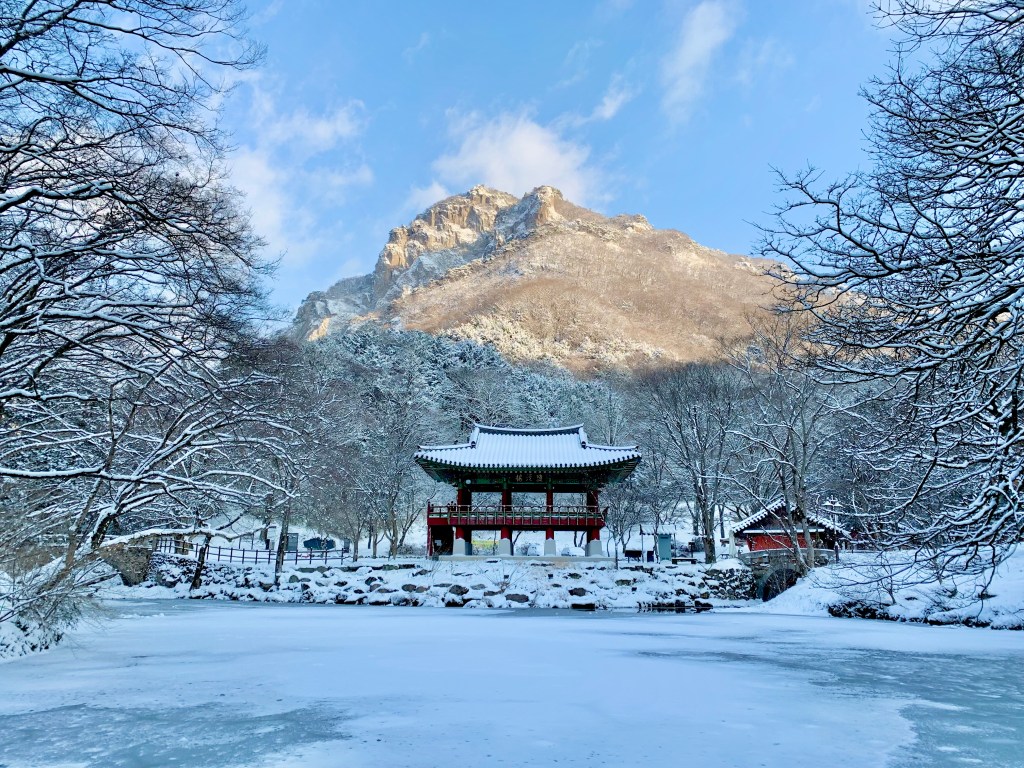
It is also known as SsangGye-Ru, a pavilion overlooking the lake. The reflection of the SsangGye-Ru and the mountain behind it on the lake creates a breathtaking moment. Following the trail along the valleys leads directly to the Ssanggye-Ru.

Atmosphere
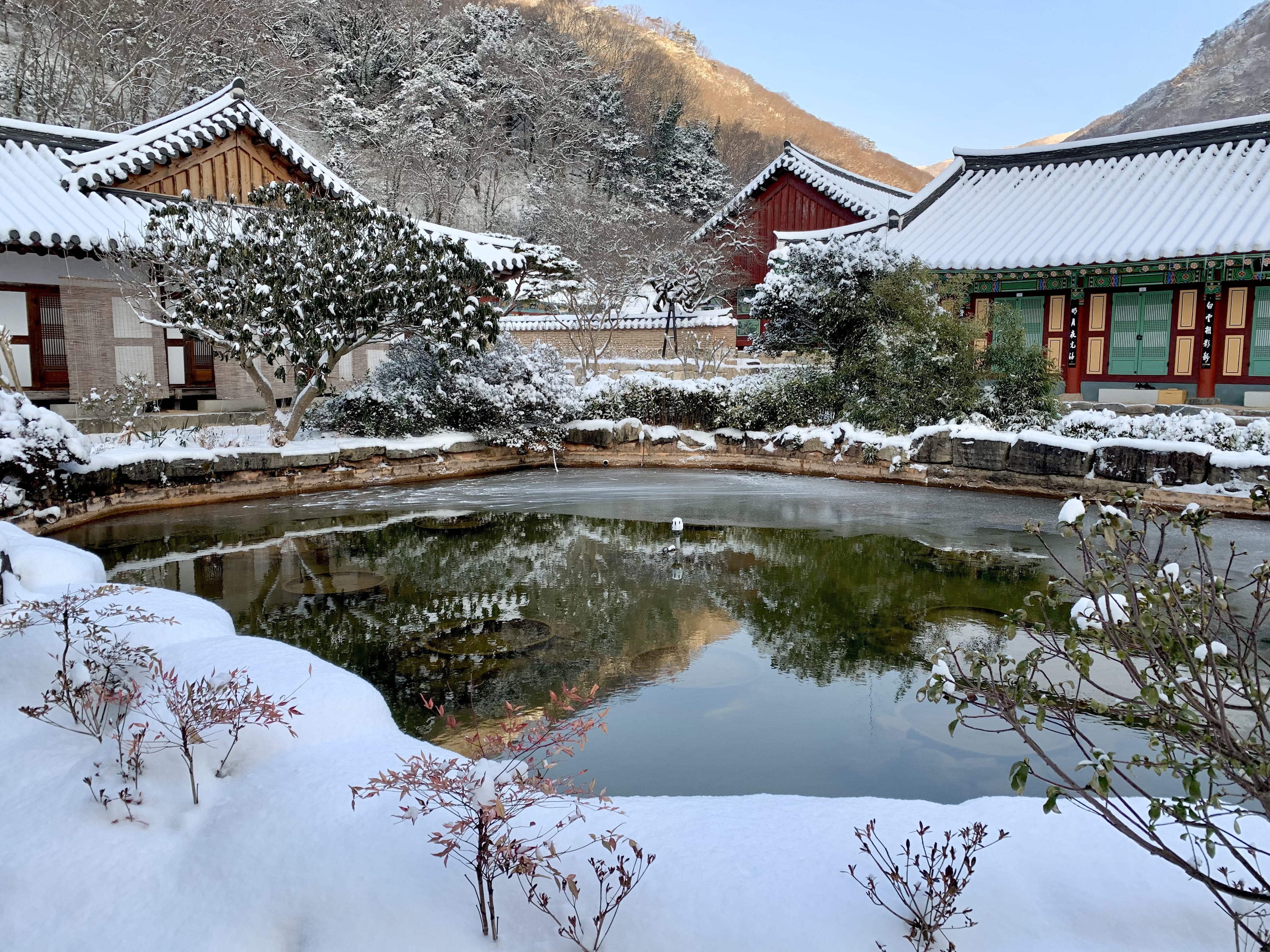
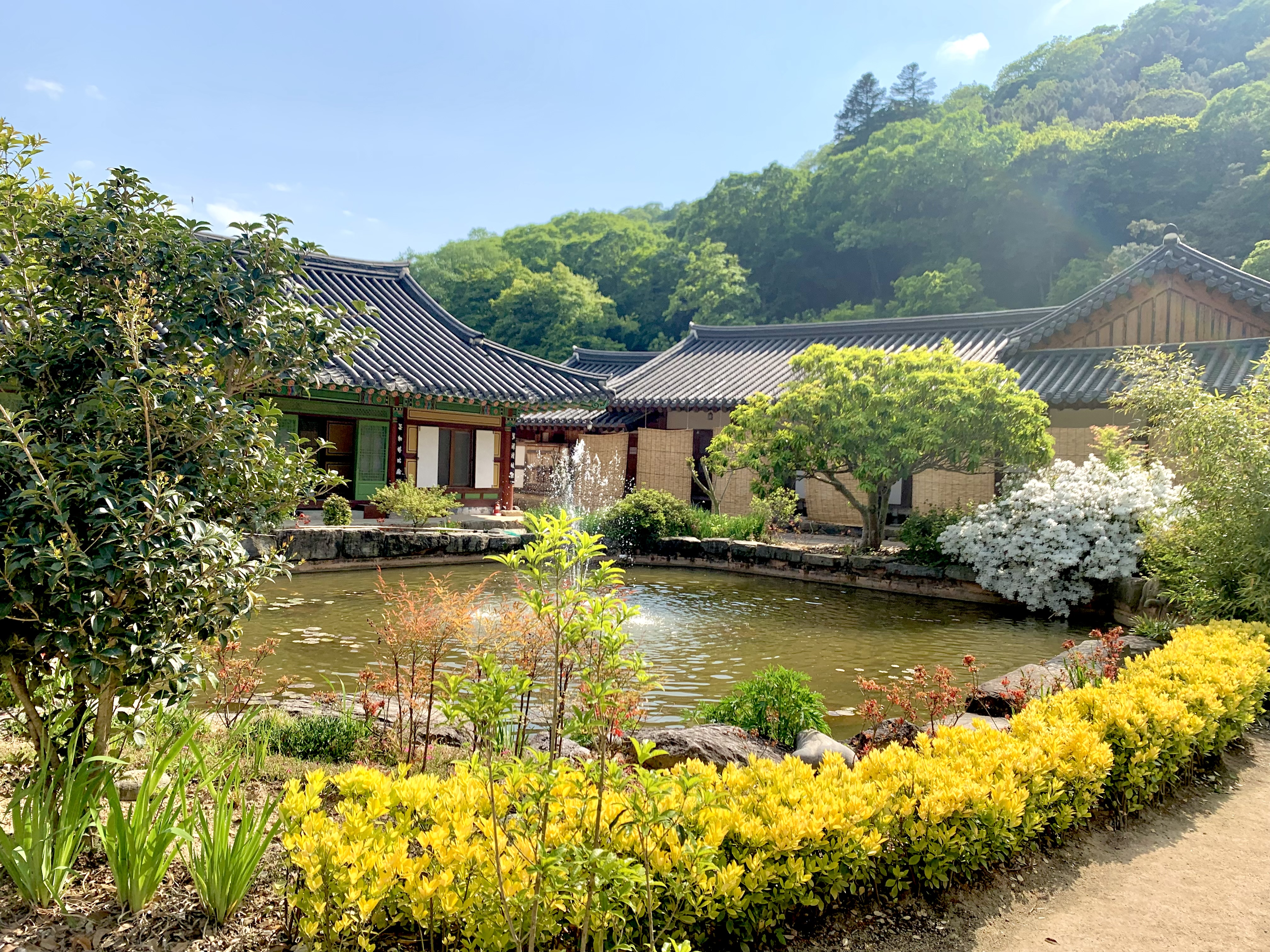
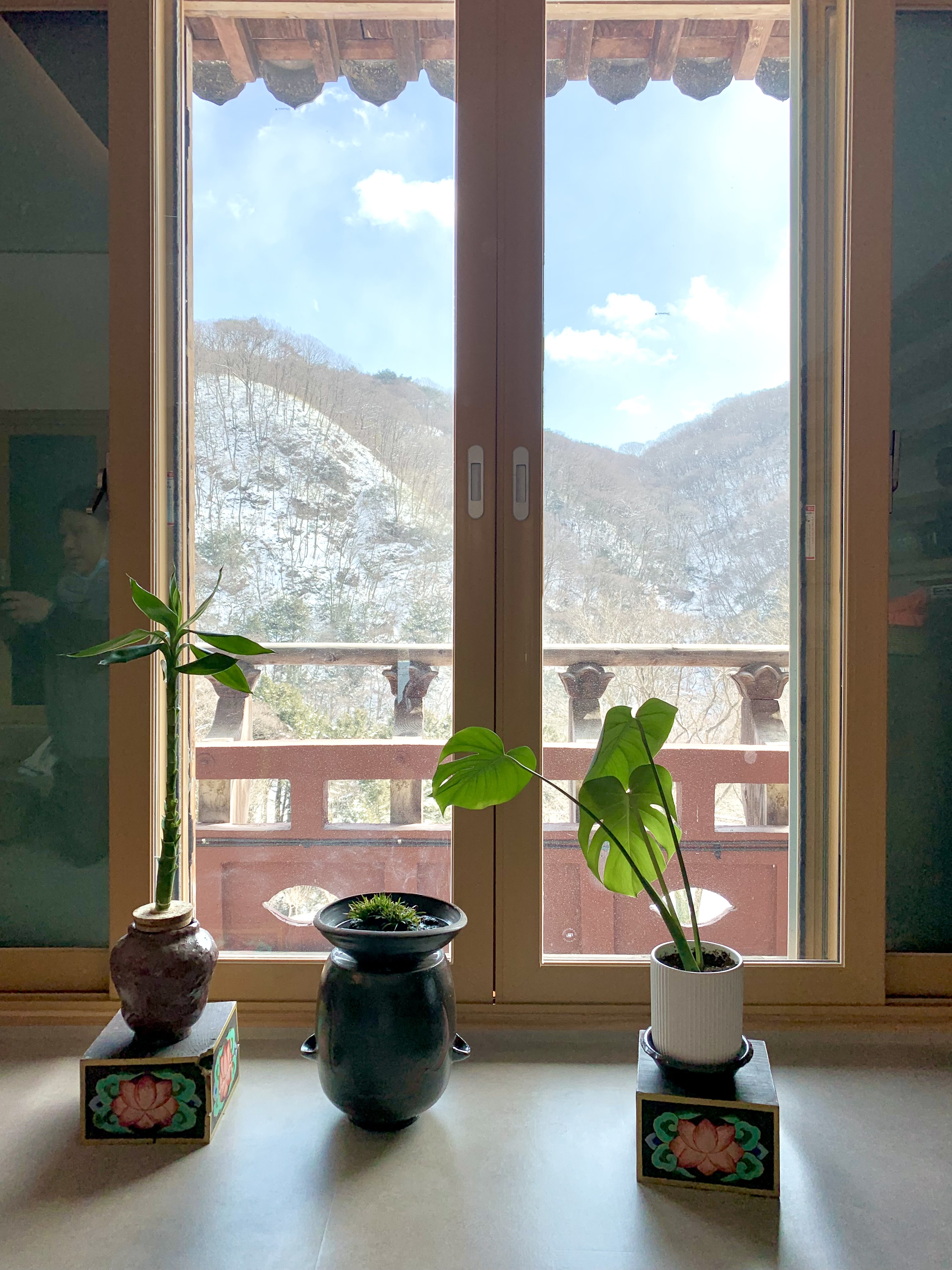
The main entrance of the temple is across the bridge, over the valley. Its structure is similar to other major temples, but the size of the temple is not so big, cozy enough. Initially, I thought it didn’t have a distinguished character compared to other temples, but I soon felt comforted by its small pond and gardening, which harmonized with the background. I was surprised when I reached the temple stay building, they set a playground for children. I had never seen a playground installed in a temple before. This temple also operates programs for children, and I can still hear the sound of children laughing.






Programs
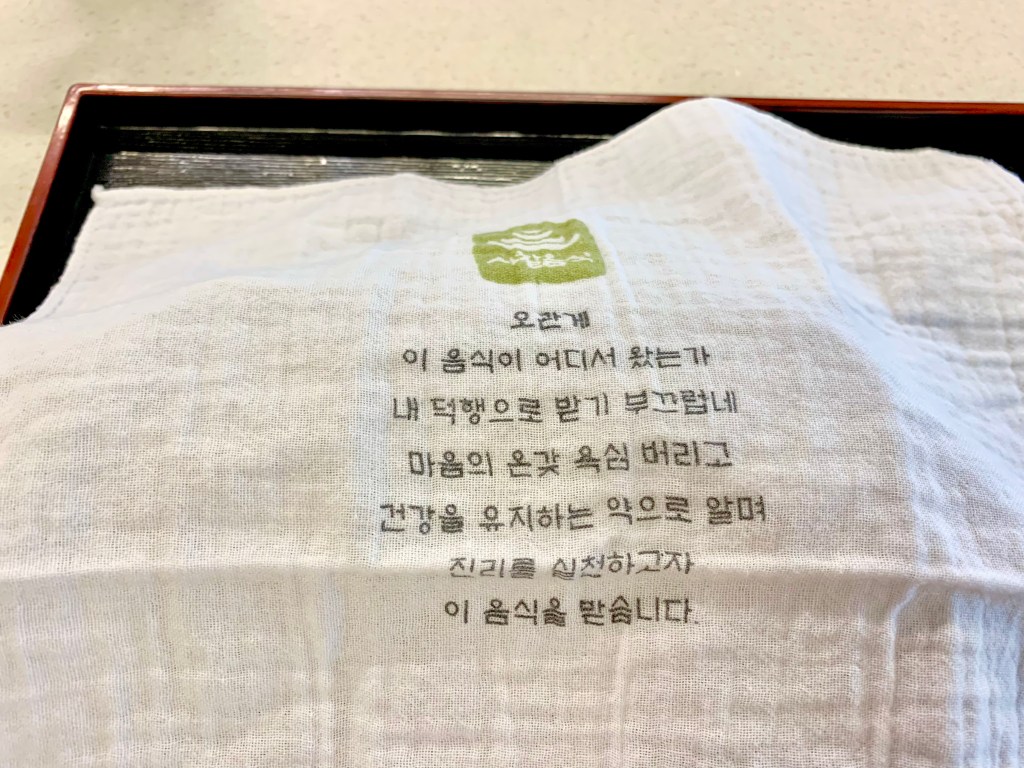
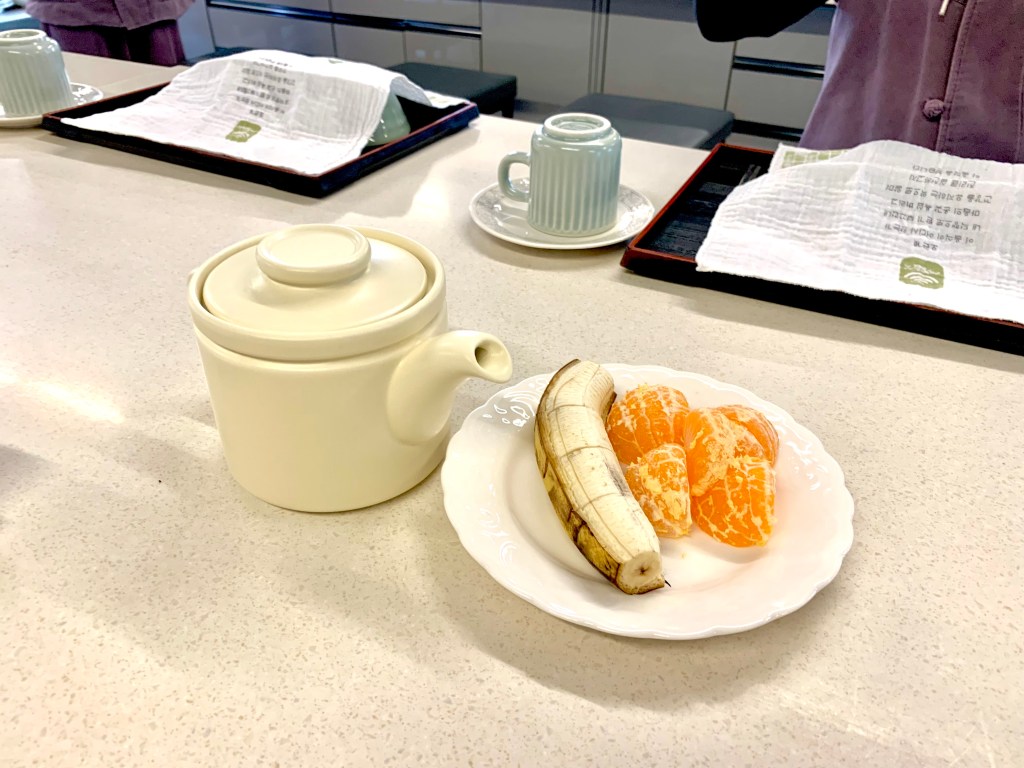
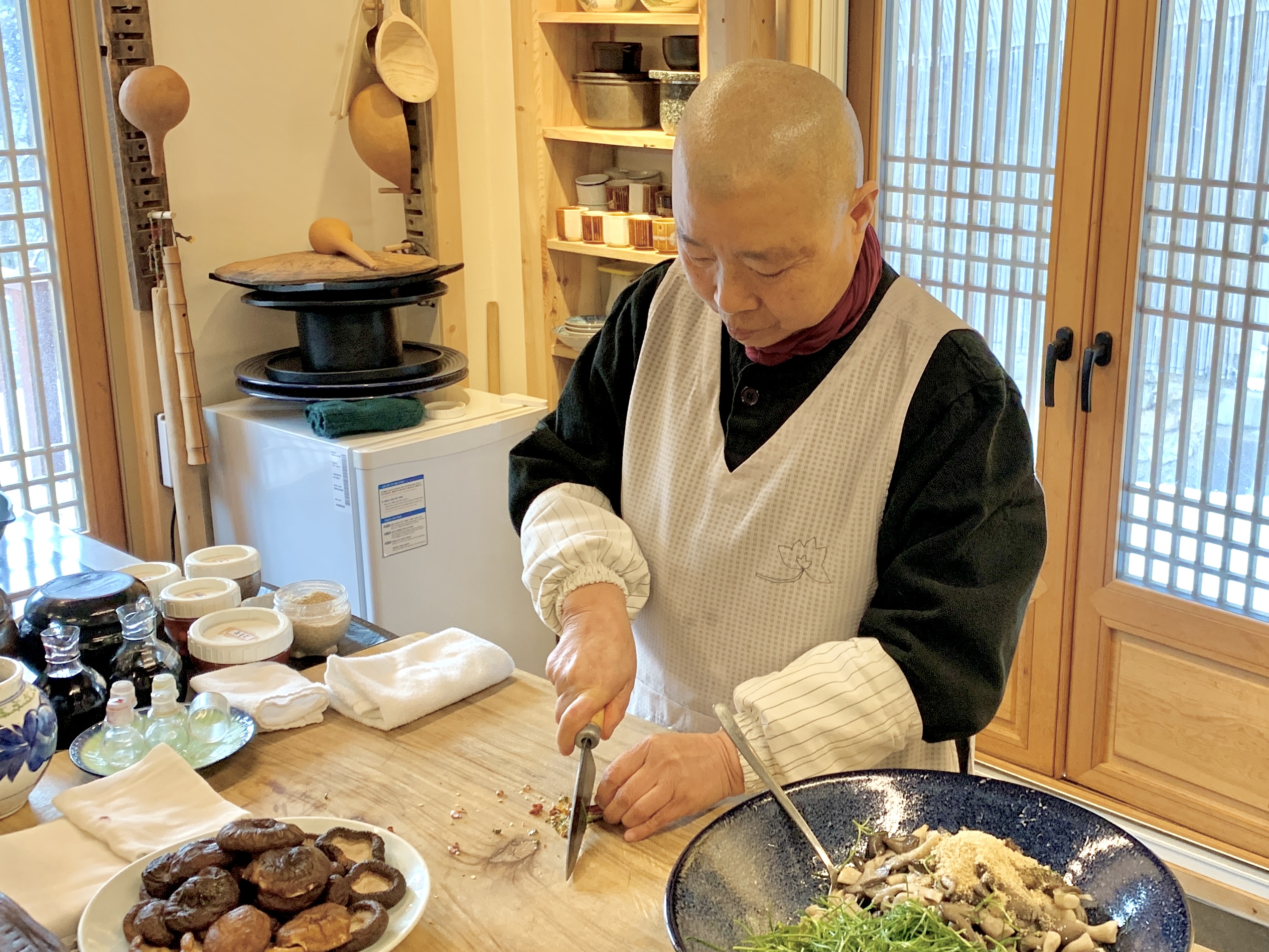
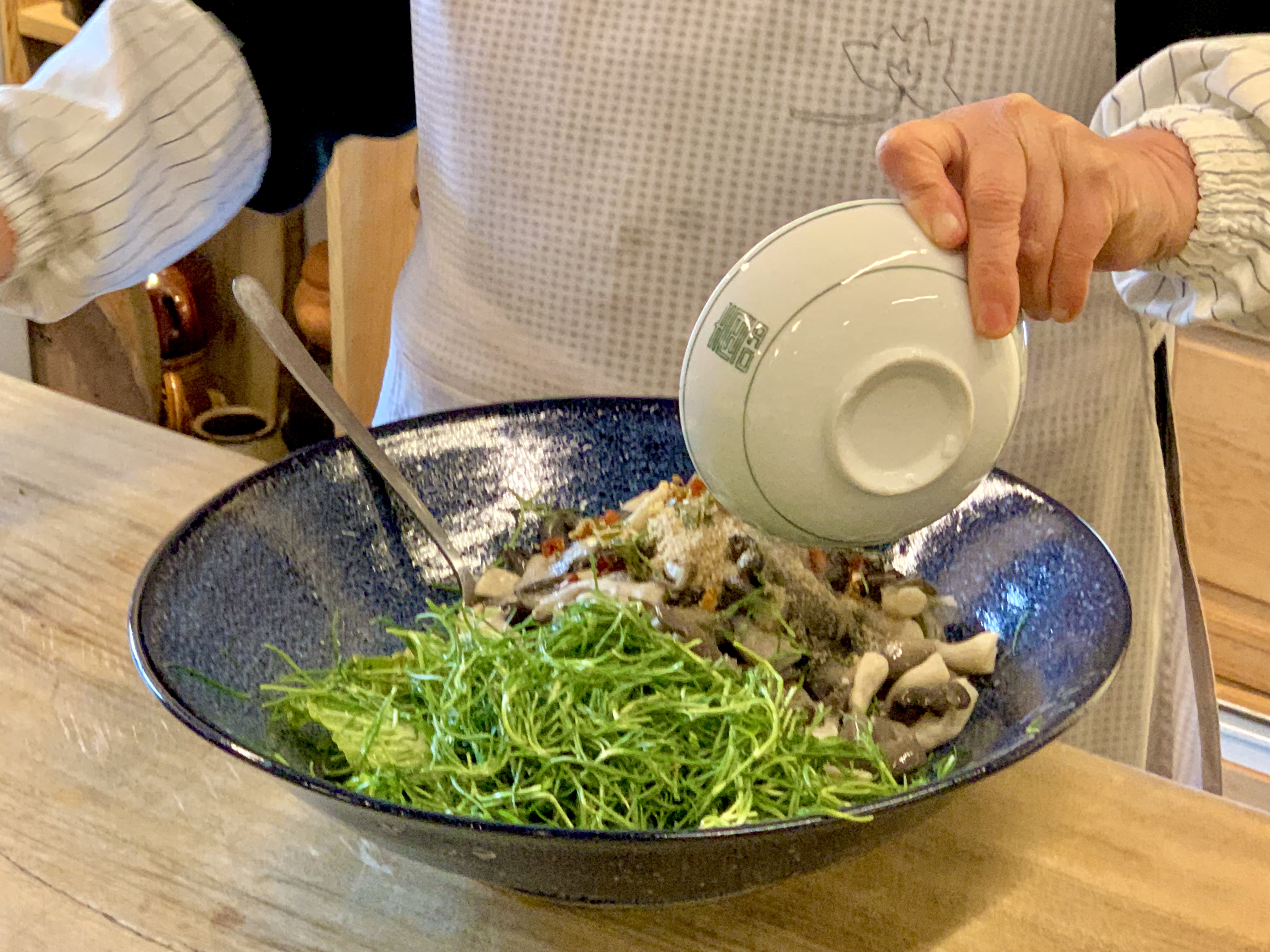
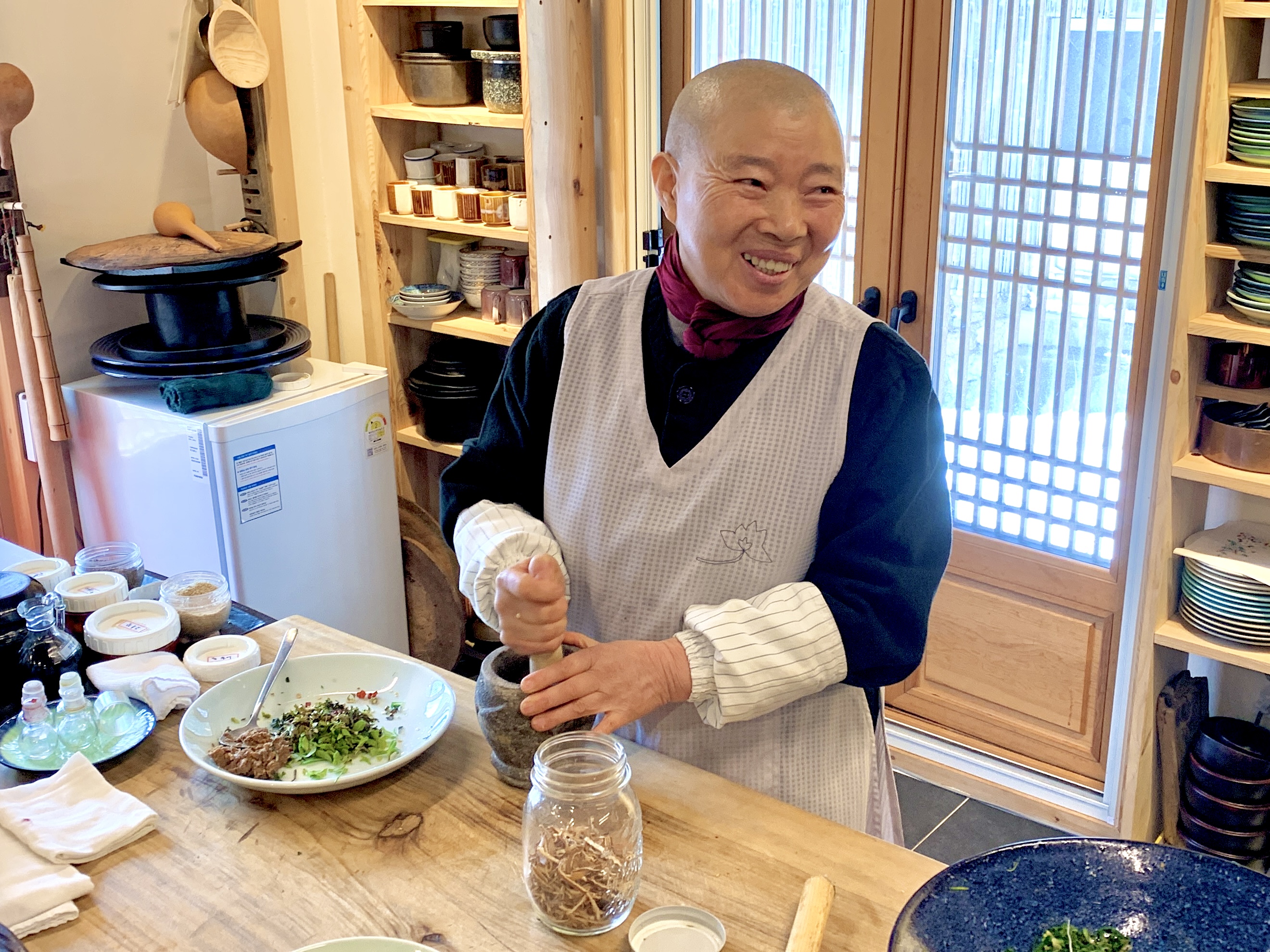
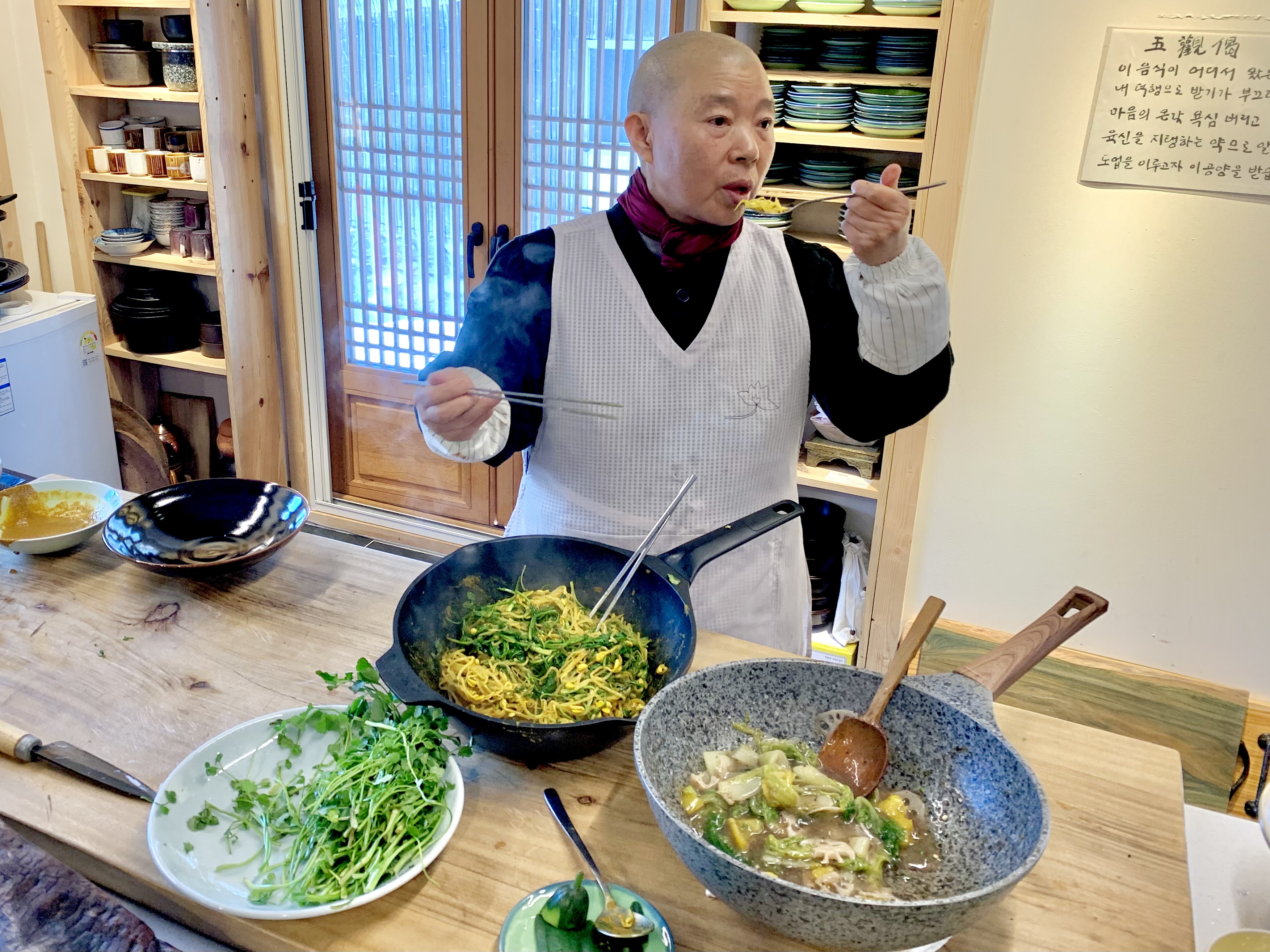
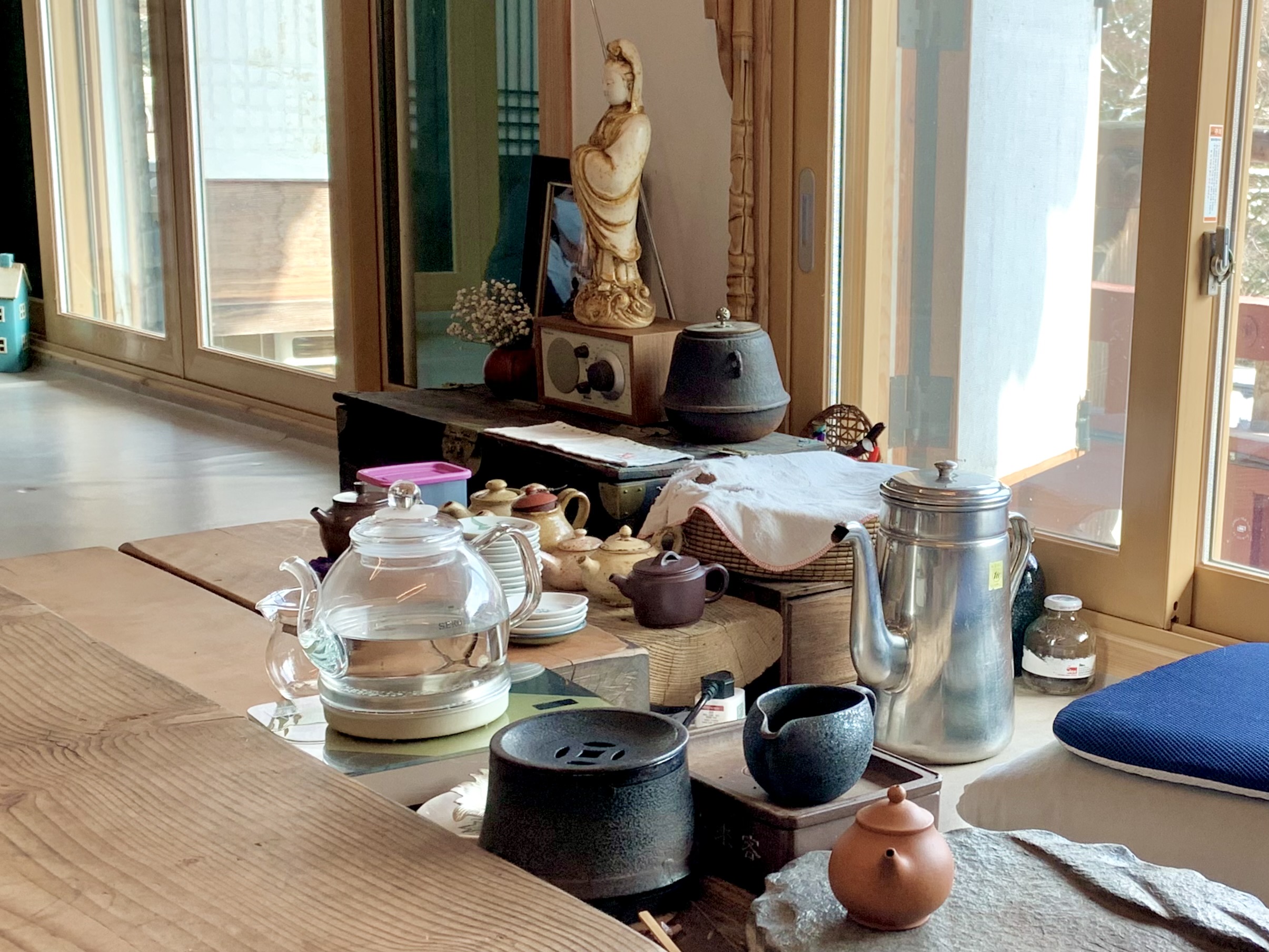
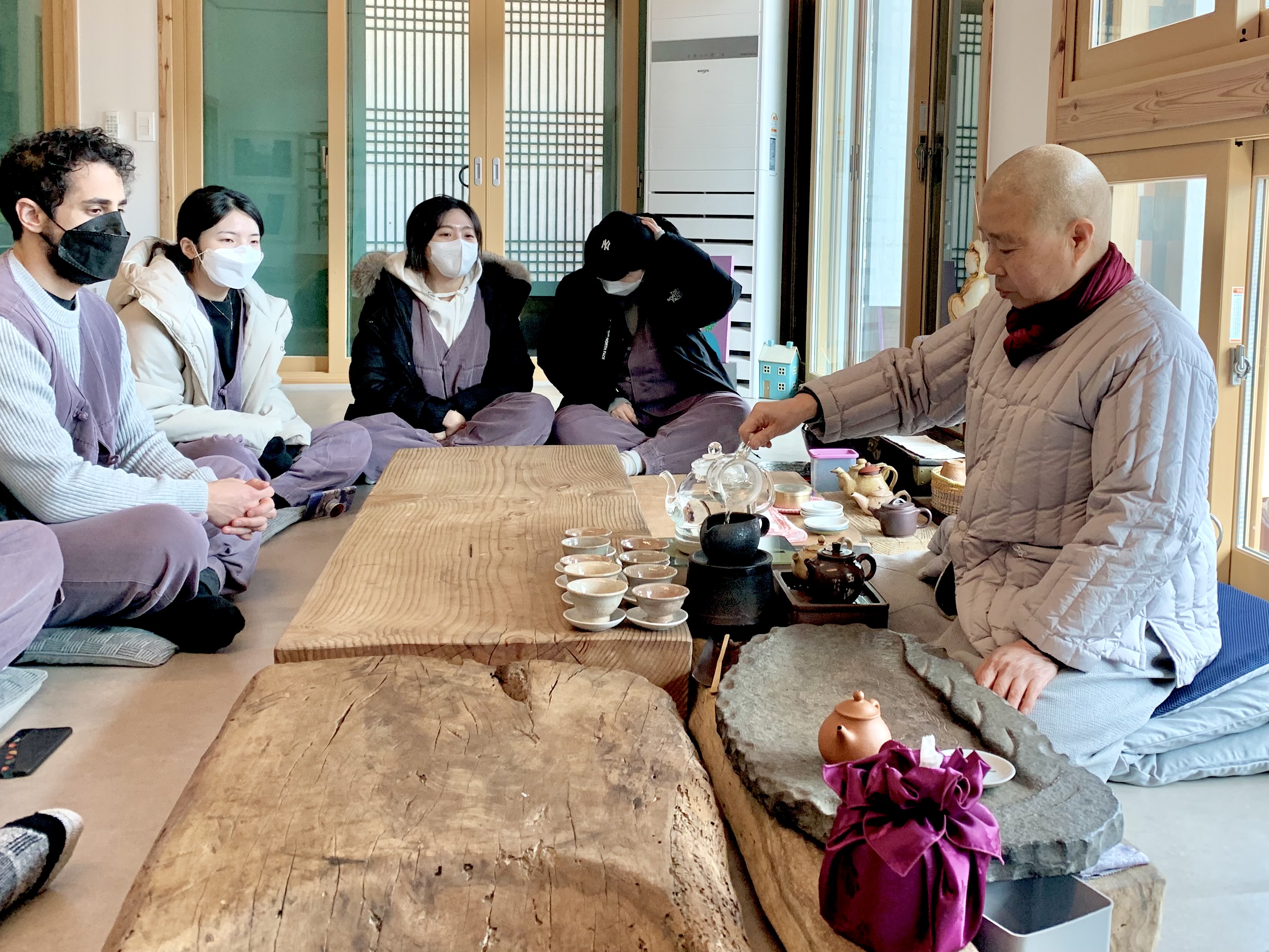
You will hike for about 15 minutes to CheonJin-Am. CheonJin-Am is a hermitage belonging to BaekYang-Sa, and its abbot monk is JeongGwan. She will serve you Korean Buddhist food cooked by her. It feels like her own cooking show. She introduces her philosophy about food based on Buddhism and Taoism. A large amount of food for people, like a mother cook for their kids. She doesn’t use OShinChae (the five pungent herbs that Buddhist practitioners should avoid, including garlic, green onion, leek, chive, and wild chive). So her food doesn’t have any pungent taste. Instead, she uses other herbs from around the world, like turmeric, which gives the food a taste that is a bit different from traditional Korean dishes. All the ingredients are picked by herself. I understand she tries to avoid any kind of artificial treatment like spraying pesticides or herbicides. The ingredients are all seasonal vegetables, which stimulate our appetite. Finally, she serves tea that she has roasted herself.
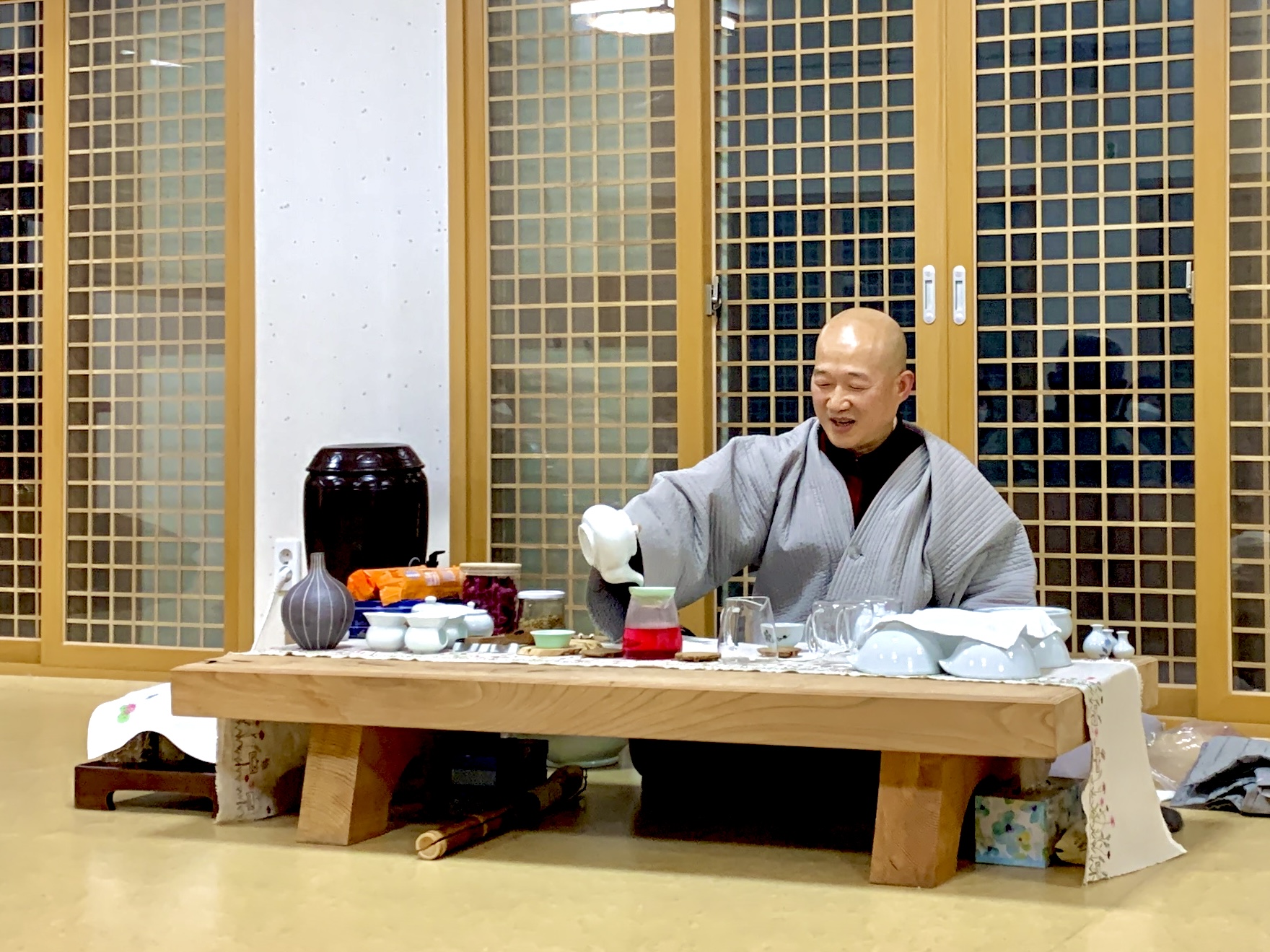

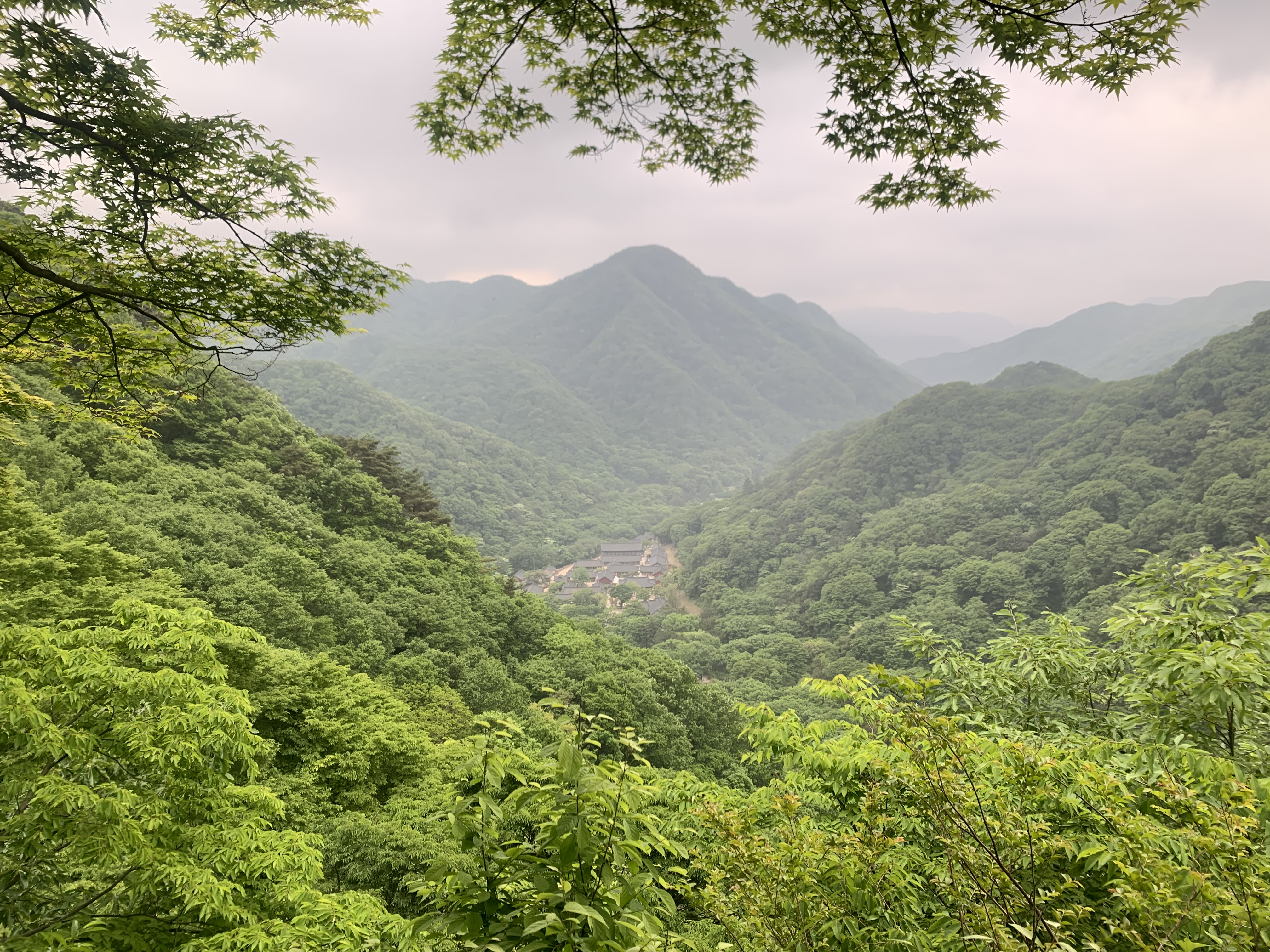
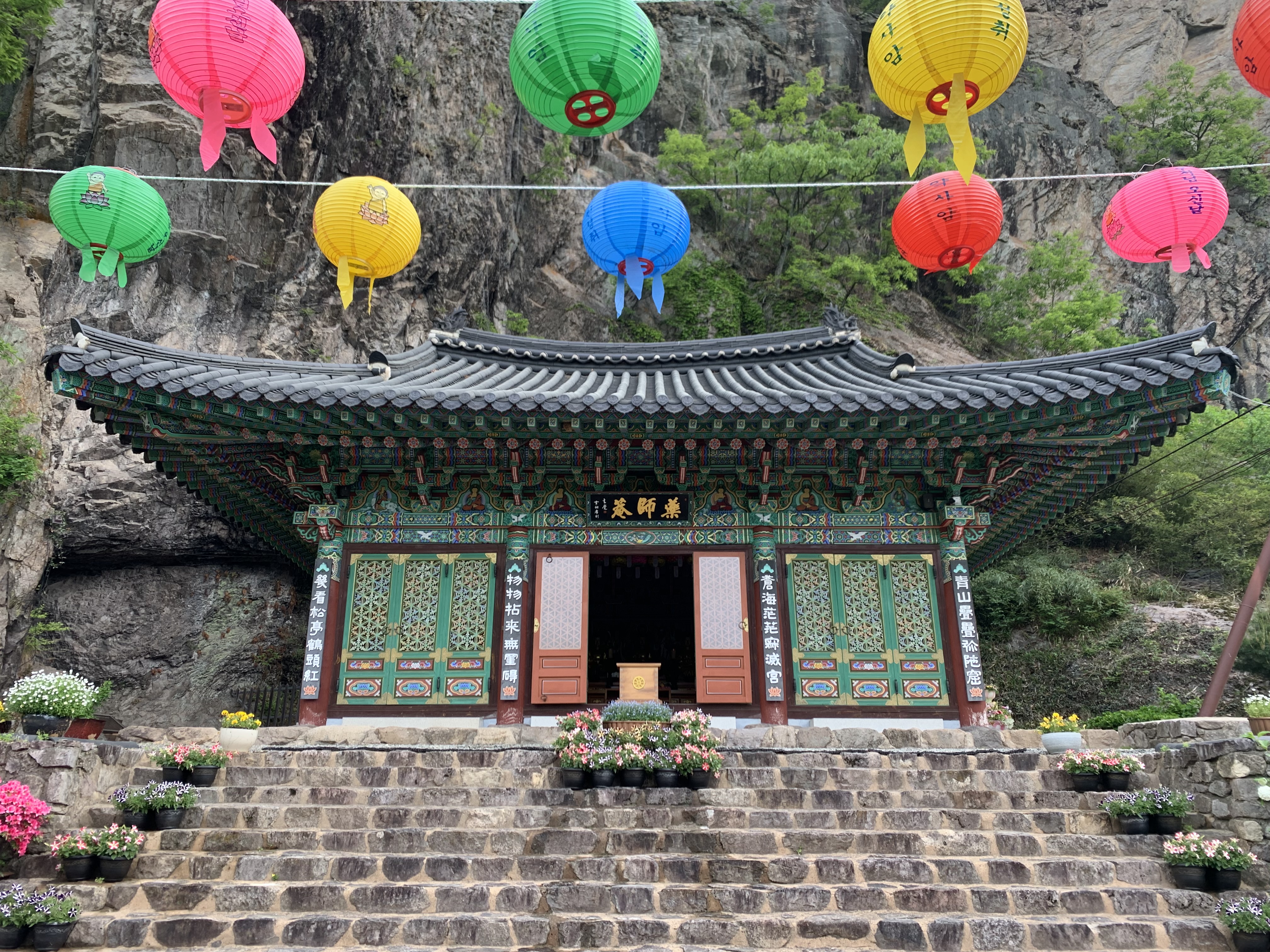
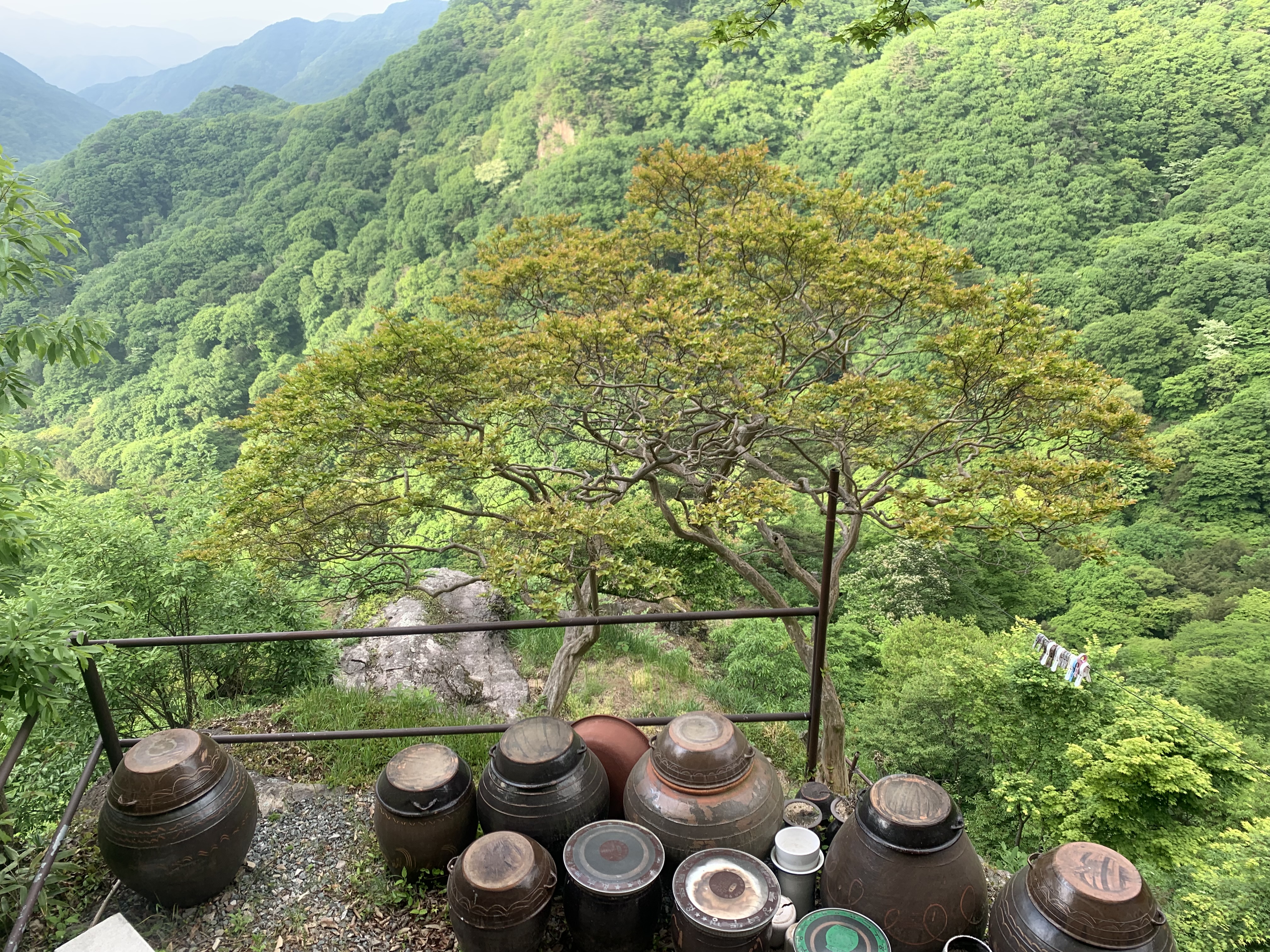
I wonder if people think that the temple stay program is only worthwhile with JeongGwan monk’s program. However, there are also other programs available here, such as ChaDam: tea time with a Buddhist monk, and beating BeomJong (Dharma drum). Additionally, their GongYang (meals) are great. The traditional herbal tea sold near SsangGye-Ru has a strong Korean taste inherited from tradition. The best part for me is Pohaeng (walking meditation) to YoungChen-Am (hermitage). YoungCheon-Am is located in the opposite direction of CheonJin-Am. It requires a hike of around 40 minutes one way up to hermitage. It has different feeling when you look over BaekYang-Sa at YoungCheon-Am. BaekYang-Sa looks not real like they’re made from Lego, and they seems hugged by forest. You can meditate in the serenity there.
Information
Templestay Website
Address
1239, Baegyang-ro, Bukha-myeon, Jangseong-gun, Jeollanam-do
Public transportation
Recommendation
Route 1.
- Ride Express bus to Gwangju U-square
- Transfer to Intercity bus to JangSeong BaekYang-Sa bus terminal.(schedule on 3 times a day. Gate Number 25) https://txbuse.t-money.co.kr/otck/readAlcnList.do
- Transfer to local bus Number 45 and get off on BeakYang-Sa Bus stop, Hike about 25 minutes.
Route 2.
- Ride KTX from YongSan Station and drop at JangSeong.(less than 40,000 won per person, takes about 2 and a half hours)
- Transfer to MooGungHwa train to BaekYang-Sa railway station.(Just 1 stop)
- Transfer to local bus Number 45 and get off on BeakYang-Sa Bus stop, Hike about 25 minutes.
*Note: JangSeong is a small region, so there aren’t many fancy restaurants. However, there’s a Tonkatsu restaurant in the open market called “Gangmaru,” which brings back childhood memories. If you want to have some Korean-style Tonkatsu, it would be a good choice.
Address of Gangmaru
22 Sanambuk-gil, Jangseong-gun, Jeollanam-do
Creative commons link
EZsPEDIA © 2024 by YUNMI LEE is licensed under CC BY-NC-ND 4.0
 EZ K-PEDIA
Leave a comment