
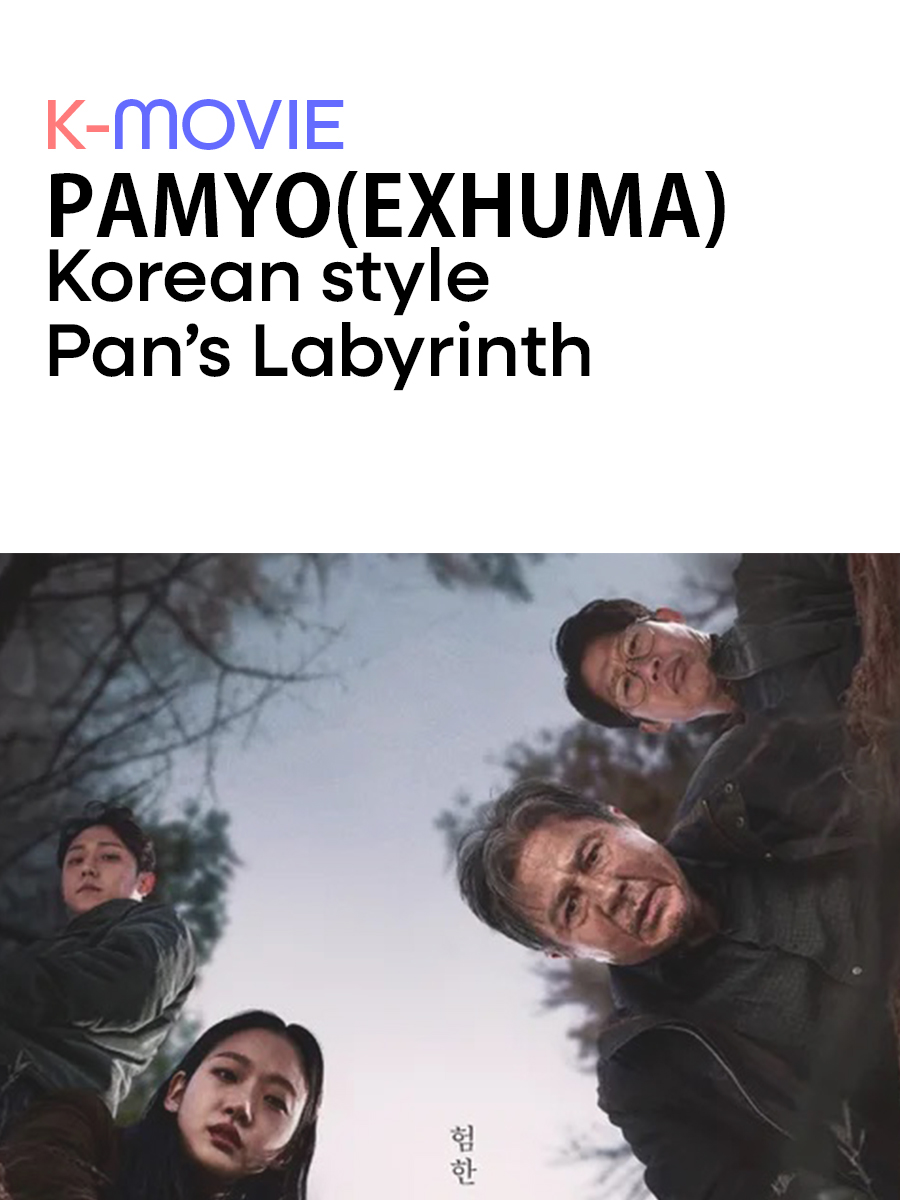
K-MOVIE
“Any sufficiently advanced shamanism is indistinguishable from folklore”
-by Korean critic ‘Hyeonsoo Choi’ : He parodied it from Arthur C. Clarke’s sentence.
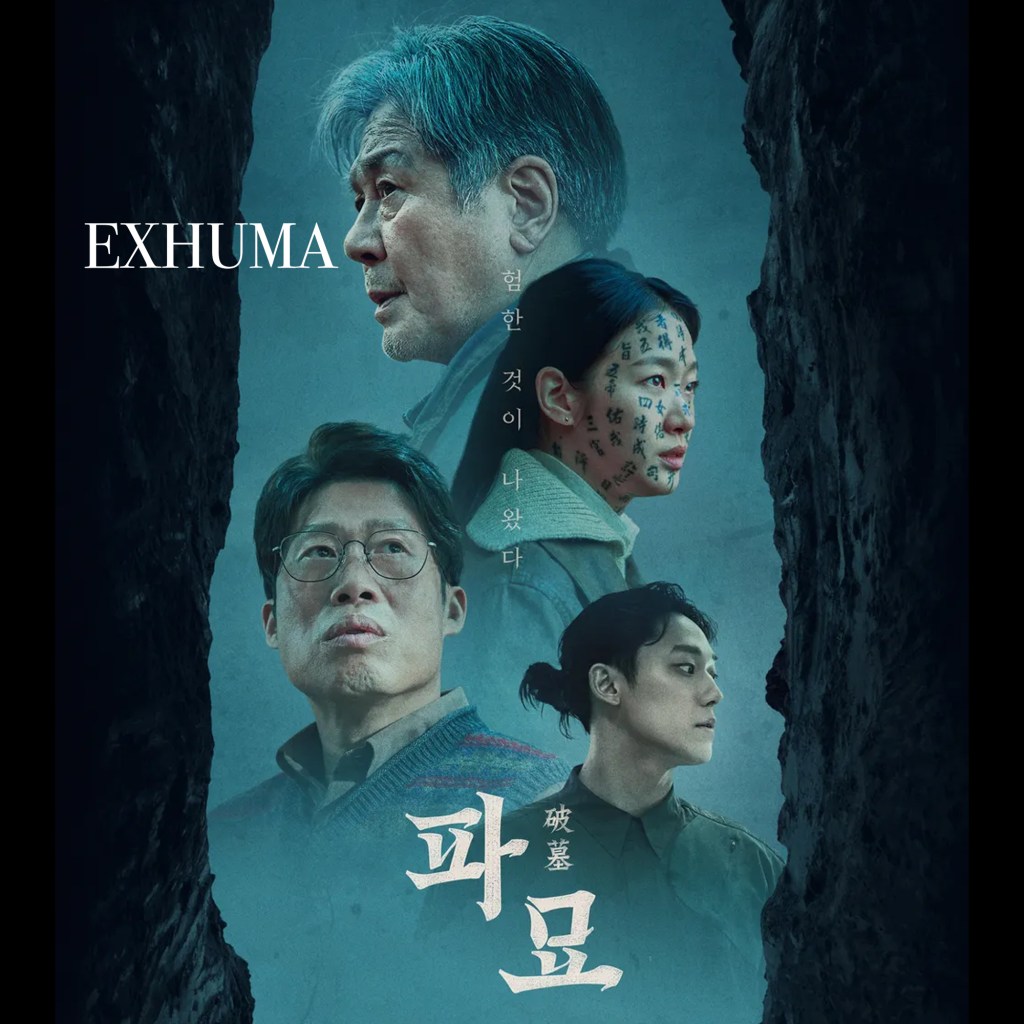
“Pamyo” was released on February 22nd. While “Dune 2” was a must-see film, “Pamyo” quickly gained attention in the Korean film scene. With renowned actors and a director known for well-made movies like “Sabaha” and “The Priests,” it garnered public interest. However, it’s also one of the most polarizing movies in Korea due to its synopsis. Despite mixed reviews, I enjoyed its overwhelming visuals. Understanding some cultural background may enhance the viewing experience, so I’ll introduce a few aspects to make it easier to watch. Spoiler-free sections will be included.
Protagonist
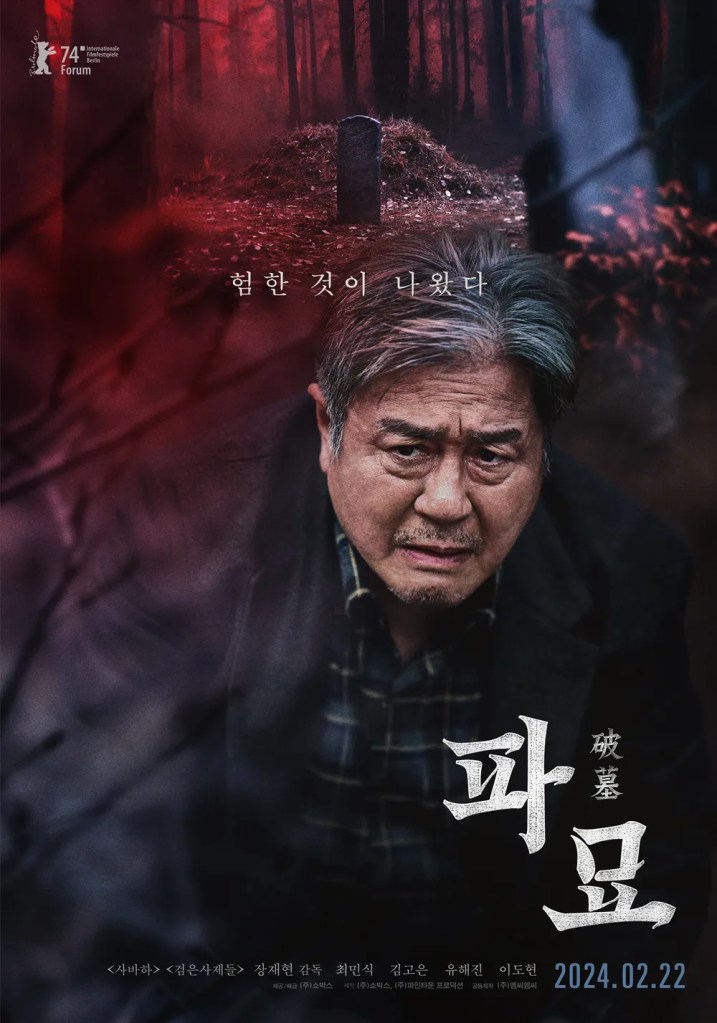
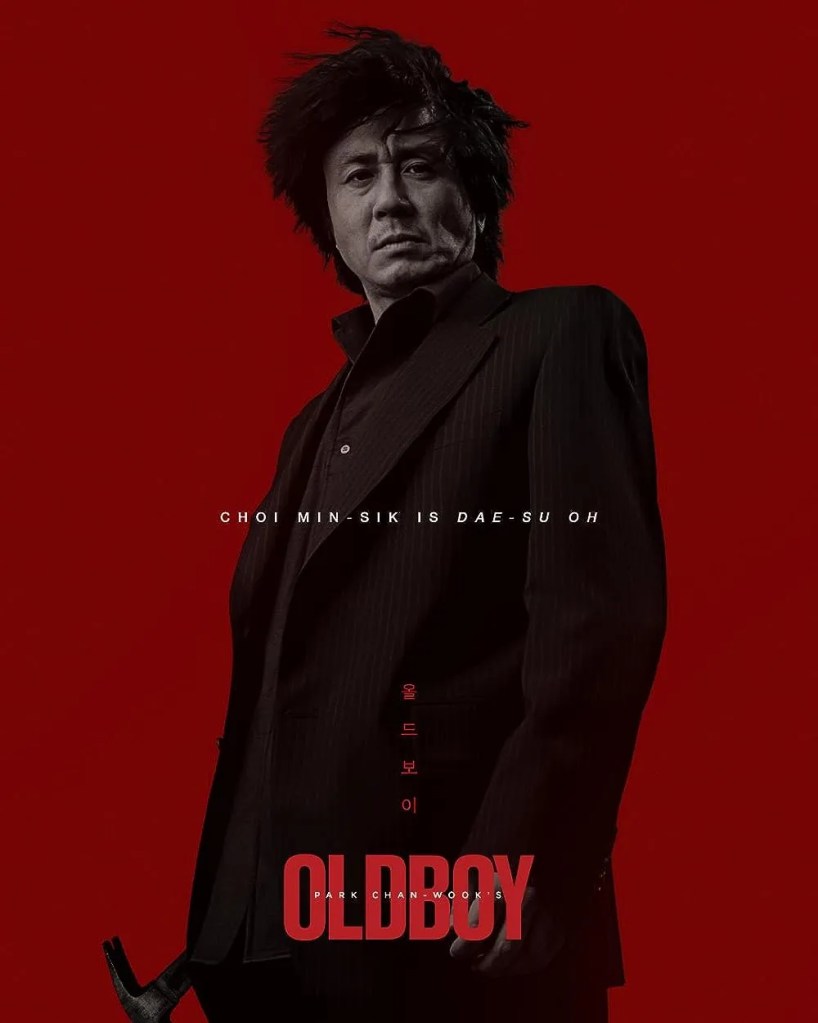
SangDeok Kim: JiGwan(Feng shui master), MinSik Choi in role.
In the movie, Sangdeok Kim portrays JiGwan, a Feng Shui master, with MinSik Choi in the role. Traditionally, Koreans consider Feng Shui when building houses or selecting sites for family cemeteries. Feng Shui, originating from China and based on Yin and Yang Theory, has been adapted to fit the geographical conditions of the Korean peninsula. JiGwan has played a crucial role for about 1,400 years, selecting sacred sites for royal palaces and even capitals. Since the Joseon dynasty enshrined the spirits of ancestors as gods, funerals and ancestor ritual ceremonies hold immense importance. People buried their deceased in coffins without harming the body, while the Gorye dynasty preceding Joseon practiced cremation influenced by Buddhist culture. Nonetheless, Joseon people believed that the energy of their ancestors could influence their descendants, making it crucial to find the best cemetery sites for ancestral prosperity. In this context, JiGwan has played a significant role throughout history.
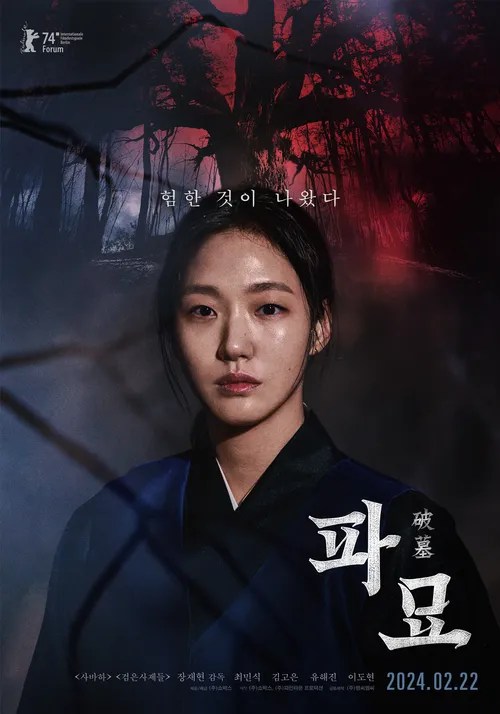

HwaRim: Moodang(Female Shaman), GoEun Kim in Role.
HwaRim is possessed by Halmae, an old woman spirit. As per Moodang tradition, she always carries the old woman spirit with her. Unlike the stereotype of a passive shaman, she is portrayed as aggressive, which may partly be my prejudice. Typically, shamans meet their client at home, but in this film, she travels to the USA to meet her clients. She even speaks Japanese and is knowledgeable about Japanese shamanic practices. However, she builds her reputation on her talent and responsibility as a shaman. I noticed that she always ensures the safety of her colleague, even if it means taking risks.
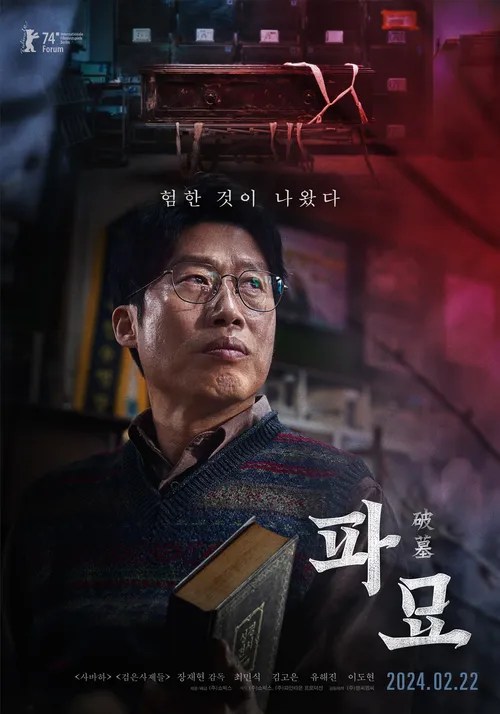

YoungGeun: JangUiSa(Undertaker), HaeJin Yoo in role.
He is an authorized undertaker who has conducted national funeral ceremonies for presidents. Having collaborated with Sangdeok as an undertaker, he seems to have acquired some knowledge about Feng shui regarding cemetery sites. His role includes elements of humor, such as being a Christian despite his job involving conducting Neo-Confucian style funeral ceremonies.


BongGil: BeopSa(Male Shaman), DoHyun Lee in role
BeopSa is a male shaman who primarily chants special scriptures to communicate with spirits. Although he works in the shaman industry, his role differs slightly from that of HwaRim, a female shaman. If he were possessed by a spirit like HwaRim, he would be classified as a BakSoo (male shaman). However, he attempts to evade this fate by becoming a disciple of HwaRim, assuming the role of BeopSa. To prevent possession, he tattoos the TaeEulBoShinGyeong (the script to expel evil spirits and protect the body of the prayer), and he can contain spirits before performing exorcisms.
*Caution: Spoilers Ahead
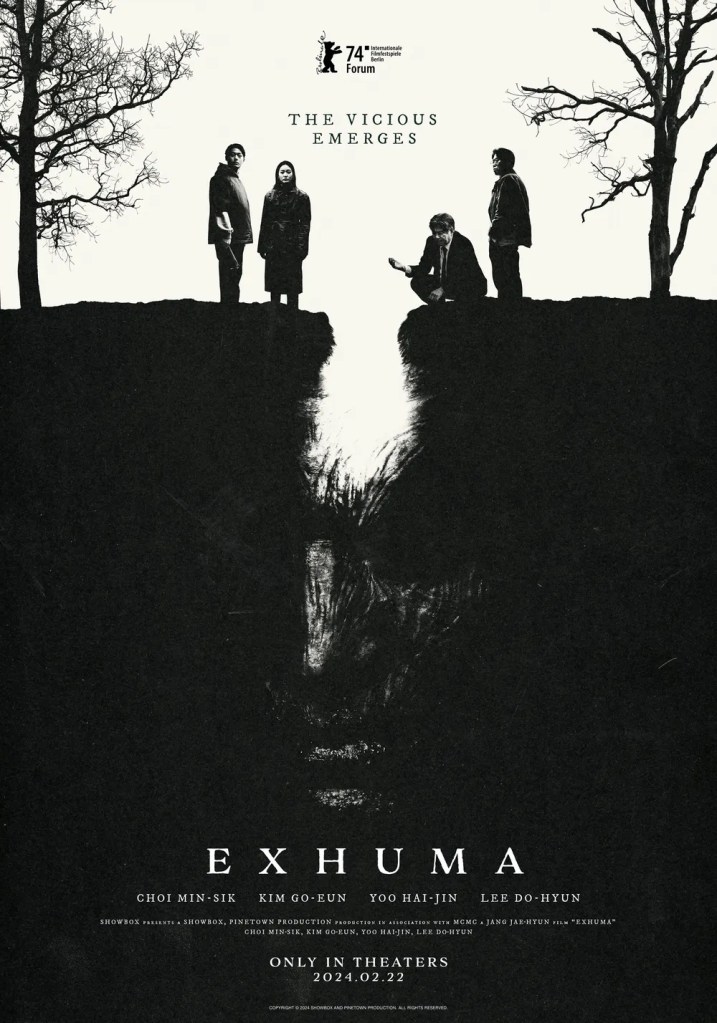
Keyword
MyotBaRam
MyotBaRam is the result of choosing a bad location for an ancestor’s tomb. A cemetery with positive energy produces soil with a good taste, but a poorly chosen site leads to soil with a bad taste, bringing misfortune to descendants. This phenomenon, known as MyotBaram, manifests as illness or bad luck in the family lineage. When families face persistent struggles with no solution, they may relocate the tomb with the unanimous consent of the family. However, this carries the risk of failure, which could result in a curse affecting the entire family and those involved in the relocation.

Dongti
It’s a form of curse from the god of the earth. When nature is not respected properly, it angers the god of the earth, leading to punishment. Typically, the cursed individual experiences illness, disasters, or persistent bad luck. Those affected seek the help of a shaman for ceremonies like Goot (Shamanic ceremony) or ChiSeong(Ritual ceremony) to appease the god of the earth. But it this film, one of character was cursed by Nure onna, which is Japanese monster not a god of earth.
Name and Number.
Most of Protagonist named after Independent activist. Director seems took each of character from them.
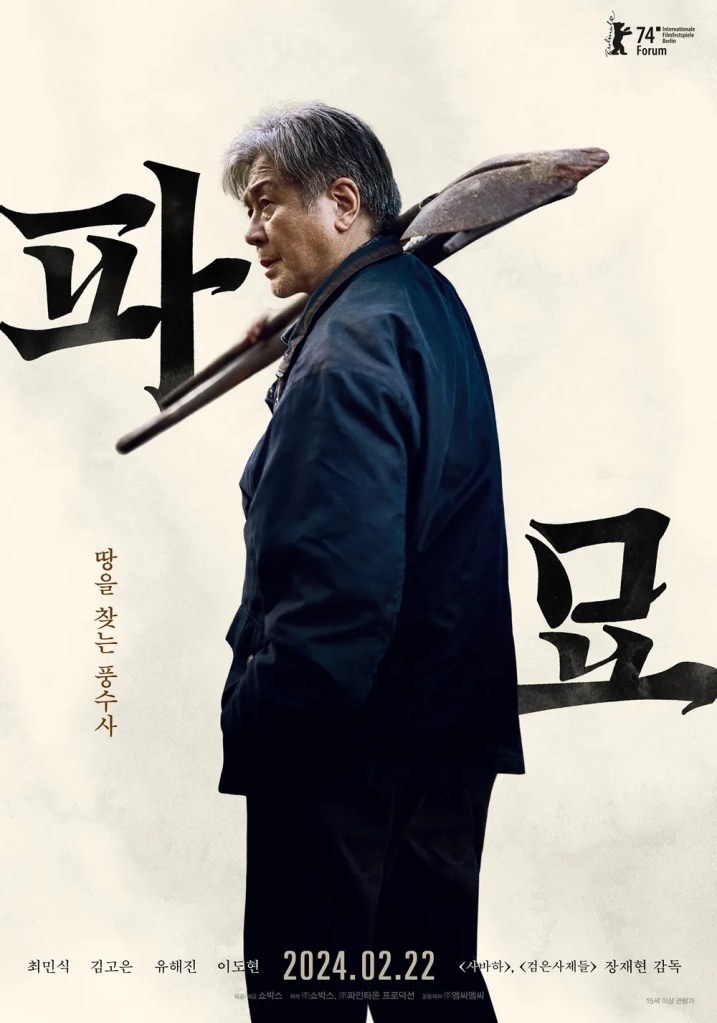

For instance, Sangdeok, who compiled a list of pro-Japanese individuals, parallels his real-life counterpart’s efforts to preserve history for future generations.
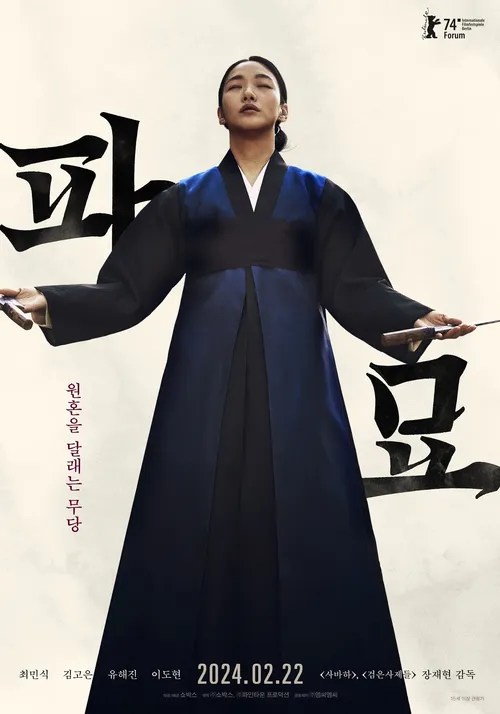
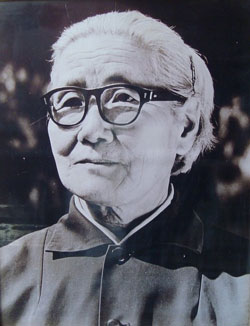
HwaRim Lee, reminiscent of a woman soldier and doctor who opposed the Japanese army, embodies strength and leadership in the film.
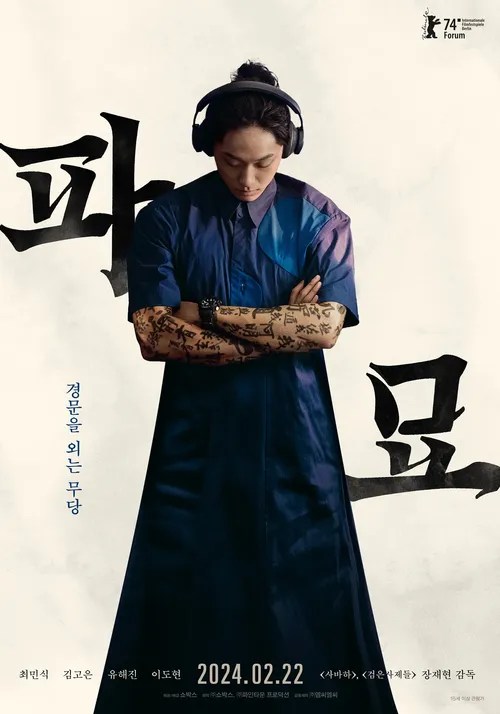

BongGil Yoon, mirroring the activist who sacrificed his life with a packed lunch bomb during a war celebration, similarly dedicates himself to his cause. He is most famous independent activist among them.

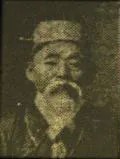
YoungGeun’s character reflects controversy and ambiguity, with no clear alignment as pro-Japanese, yet lacking significant public recognition, akin to the more secular protagonists.
Client family name
It doesn’t exactly match the characters, but it imagines them named after prominent pro-Japanese family names. The main client, living in LA and maintaining a luxurious lifestyle, parallels some of the descendants of pro-Japanese figures.
Car plate
The car number is also relevant to memorable dates in Korean history, such as Independence Day on August 15th, 1945, or March 1st, the day of the first independence movement.
(warning! strong spoil)
EumYangSa(Onmyoji)
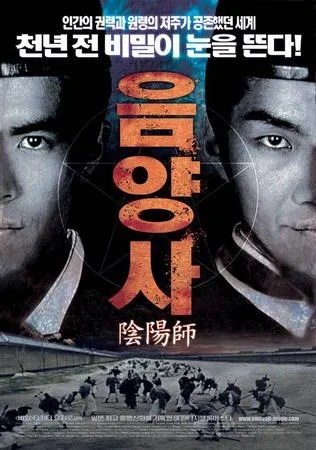
It’s similar to JiGwan, but from Japan. They also search places according to Feng Shui theory, Yin Yang, and the five elements. Their character is widely used to express the occult in Japanese comics or animation. As far as I know, it’s the first Korean movie to treat Japanese Onmyoji in this detail. It seems like a battle between JiGwan and EumYangSa. Fox is commonly enshrine as god in Japan, onmyoji in this movie treat fox.

Oni
Oni is a Japanese goblin commonly depicted with two horns on its forehead. It’s not a ghost but a spirit that embodies the fear of the unknown. Thus, Oni harms people if they don’t do anything but awaken them. In this movie, Oni is the spirit that has indwelled in the Japanese Sword. Oni is commonly translated as Dokkaebi in Korea due to its appearance, but they have different characters. Dokkaebi is more similar to a genie, with humor and human friendliness.
Iron Stake
It was widely believed that the Japanese installed Iron Stakes to disconnect racial spiritual energy. Koreans learned that the shape of their country resembles a tiger stretching its arms towards China, with the backbone being the Taebaek mountain range in the east part of the Korean peninsula. The tomb was situated at the center of this backbone to conceal the Iron Stake. Although it was proven to be a rumor long ago, its original purpose was for land surveying. However, this belief forms the major concept that builds the story of this film.
This film consists of 6 chapters. The first half seems like drama, while the second half transitions into fantasy, showcasing imaginary characters from legend. Depending on one’s opinion, it collects its audience by exposing nationalism. Personally, it resembles Pan’s Labyrinth due to my preference, but it couldn’t deny that it is anticlimactic in making happy endings.
 EZ K-PEDIA
Leave a comment