
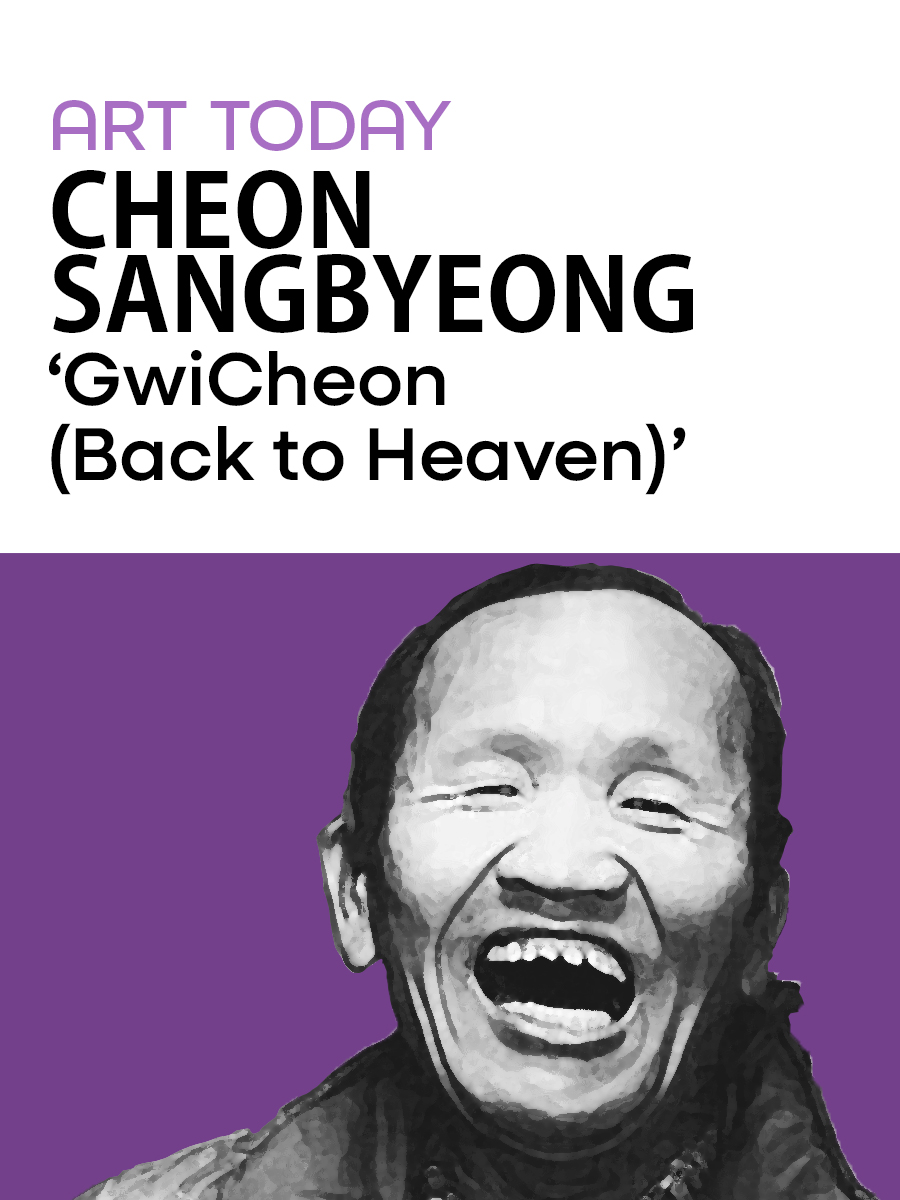
ART TODAY_Poet_05

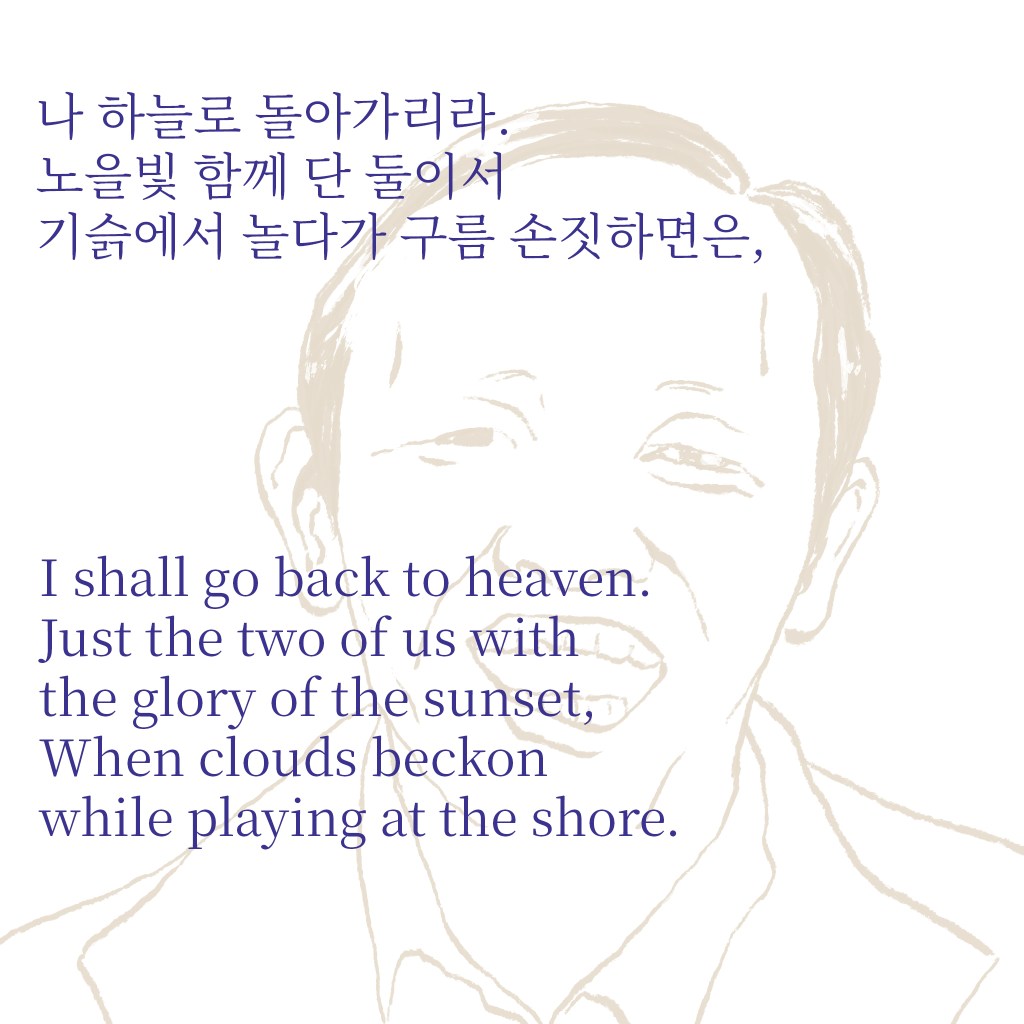
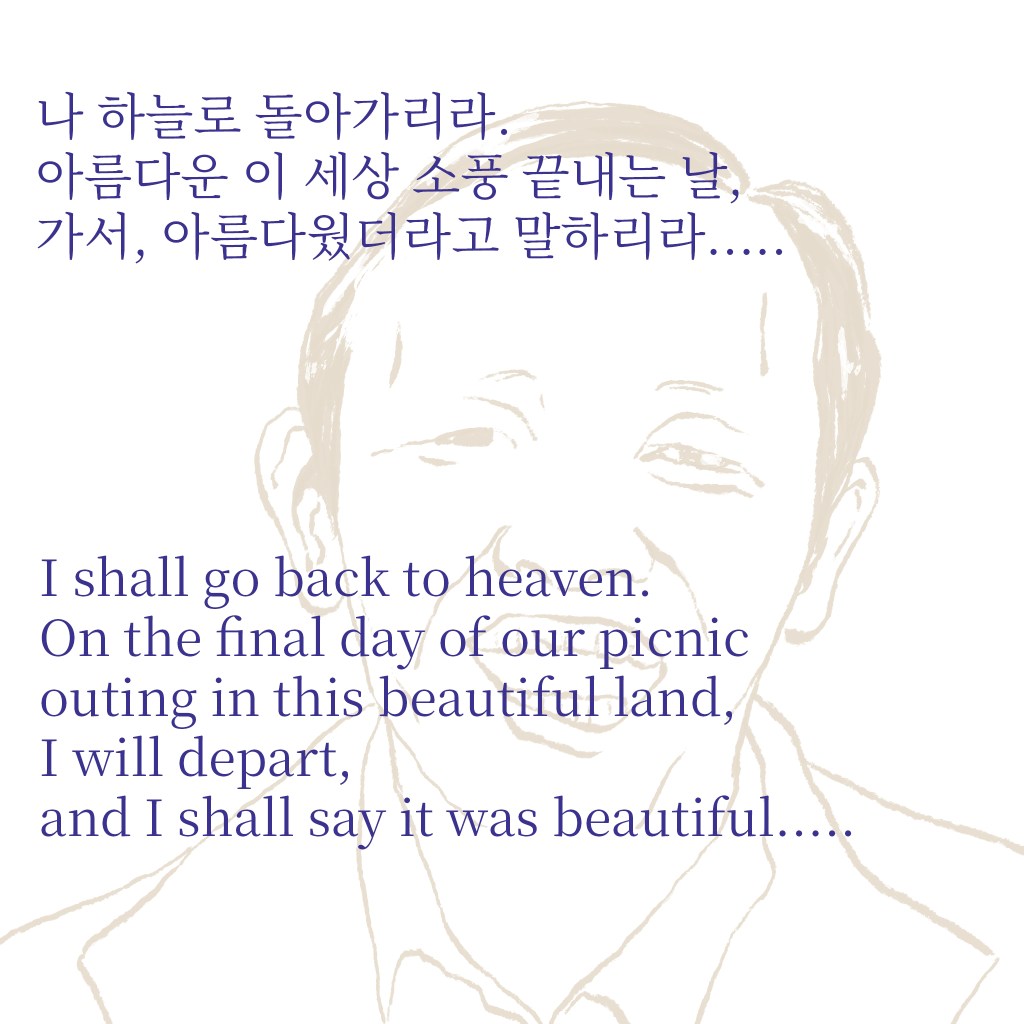
About poet SangByeong Cheon
GwiCheon(Back to Heaven). Koreans know the name of this poem even if they don’t know the name of the poet. The poet, SangByeong Cheon, was born in 1930 in Japan during the Japanese imperial period. He spent his childhood in Japan and moved to Korea when he was a middle school student.
SangByeong Cheon seemed to have talent in writing and speaking. He worked as an interpreter for the US military at the beginning of the Korean War. Then he entered Seoul National University. While studying at the university, he established a fanzine and made his debut as a poet. He dropped out of university during his fourth year. His career as an office worker only lasted two years, serving as Director of Public Affairs. After that, he pursued a path as a poet, critic, and vagabond.
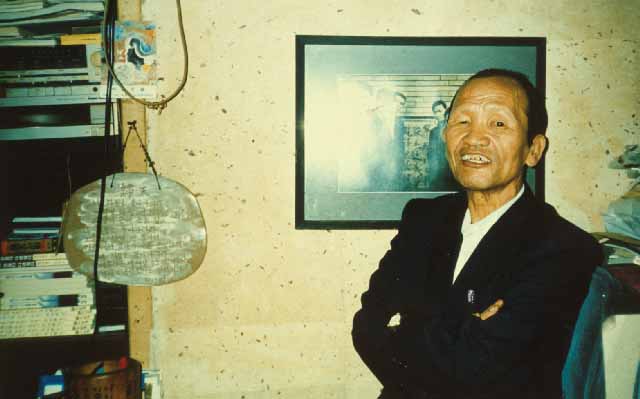
personality
Myeongdong, now known as a bustling shopping street, was once a hot spot for modern boys and celebrities, serving as his initial playground. Despite lacking a job or a home, he sustained himself by staying with acquaintances and relying on them to buy drinks. Those who knew him recall his unwavering confidence, even in times of financial strain. While many hesitated to share their poetry due to his sharp critiques, it was one way he maintained his reputation as a critic and captivated audiences. SangByeong Cheon was indeed a charmingly eccentric poet.
Turning point
But the latter half of his life was marked by a series of hardships. He often borrowed money from acquaintances for drinking, leading to trouble. One of his friends was named on a list of communists during the Ideology War era. Because SangByeong Cheon received some money from this friend for his daily drinking, he became a suspect associated with communism. This incident, known as the “Dongbaekrim(East german) Incident,” was later revealed to be a fabricated event orchestrated by the Central Intelligence Agency to propagate fear of communism. His friend, Bingoo Gang, had studied in West Germany before the fall of the Berlin Wall and had visited East Germany, a communist country, on several occasions. SangByeong Cheon often drank makgeolli with him, leading the CIA to label Bingoo Gang as a communist spy and to implicate SangByeong Cheon as well.
The money SangByeong Cheon received from Bingoo Gang became labeled as operational funds, and the CIA tortured him until they obtained a false confession implicating him as a communist spy. Despite his innocence, he had nothing to confess to them. Subjected to constant electrical torture, SangByeong Cheon’s body and mind were both severely damaged. Upon his release from prison, he found himself unable to father children and struggled with psychopathy until the end of his life.
Still, Lives as poet
But he continued to write poems, although his themes shifted to focus on death. Due to his lack of a permanent residence and his appearance resembling that of a homeless person, he was briefly committed to a psychiatric hospital by the police. During his absence, rumors circulated that he had passed away, prompting his friend to publish a posthumous collection of his poems. Fortunately, his psychiatrist recognized him and his features, leading to his survival being reported in the newspapers. Eventually, he returned to his usual life. However, SangByeong Cheon’s physical and mental health had deteriorated, and he had to stay in the hospital. There, he married SoonOk Moon, the sister of his friend, who had cared for him during his hospitalization.
Although he lacked the talent to earn money, his wife owned a tea house on Insadong Street, providing him with a place to continue writing poetry until his passing. SoonOk Moon, the owner of the tea house GwiCheon, published his final collection of poems within 100 days of his passing. Despite facing numerous hardships, his life was always brimming with wit and a love for life. I believe he’s now telling someone in heaven about his delightful picnics in the beautiful land.
Relevant tourism attraction
Gwicheon tea house
Although the original tea house closed after the owner’s passing in 2010, the second and third branches continue to operate.
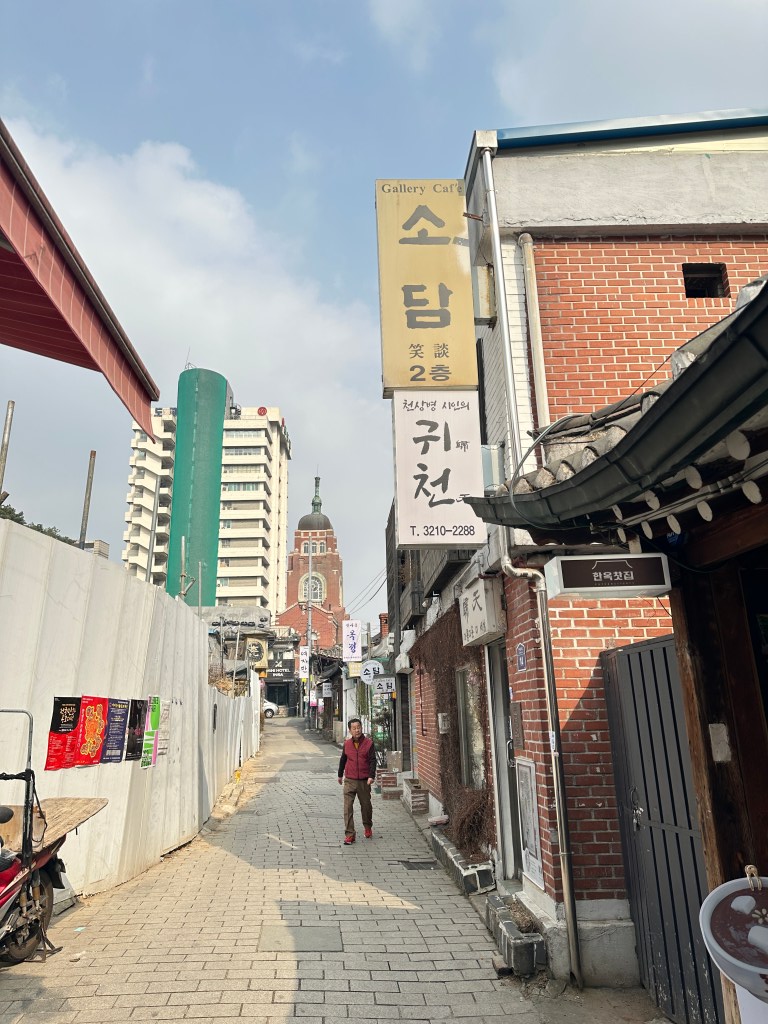
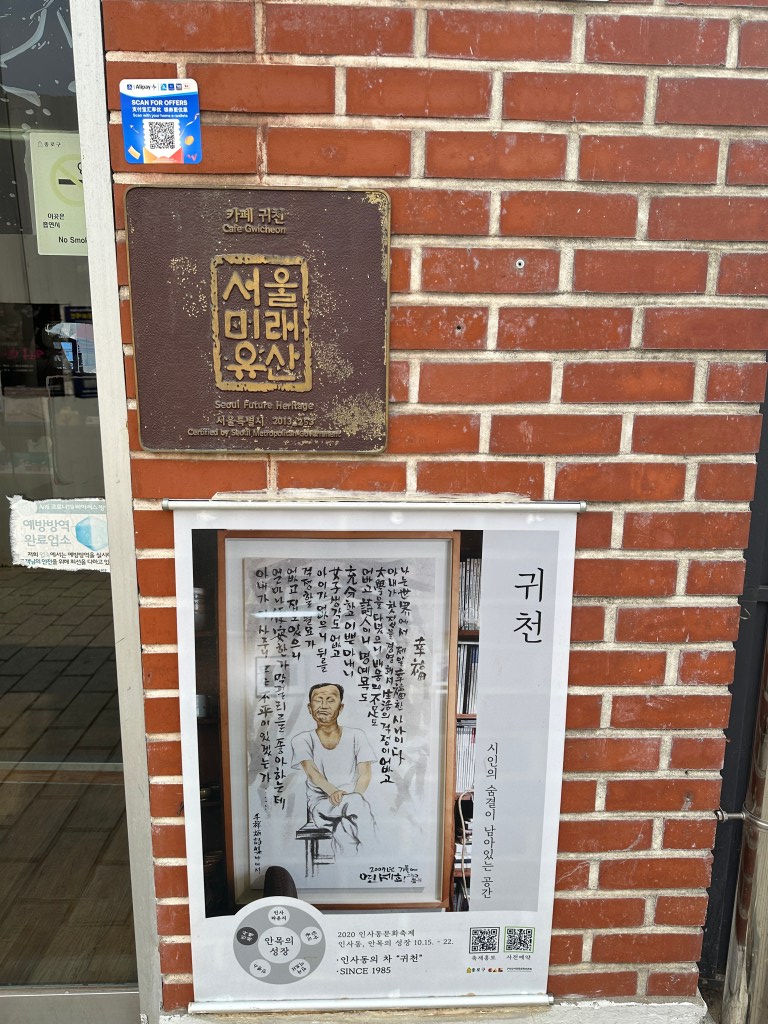
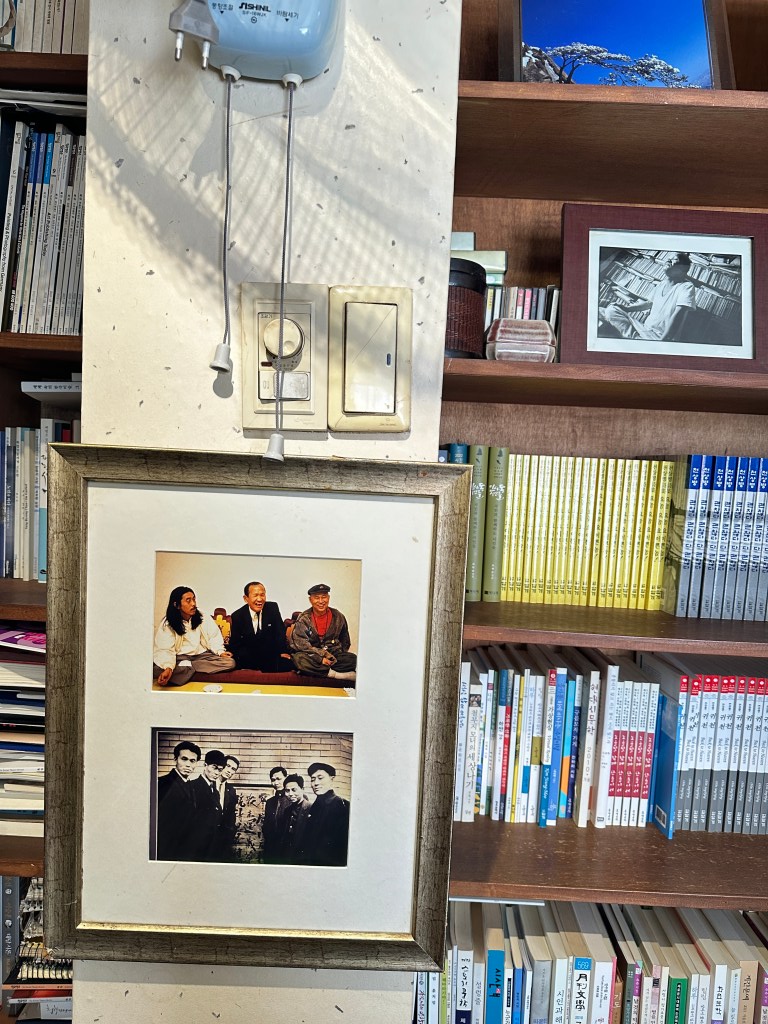
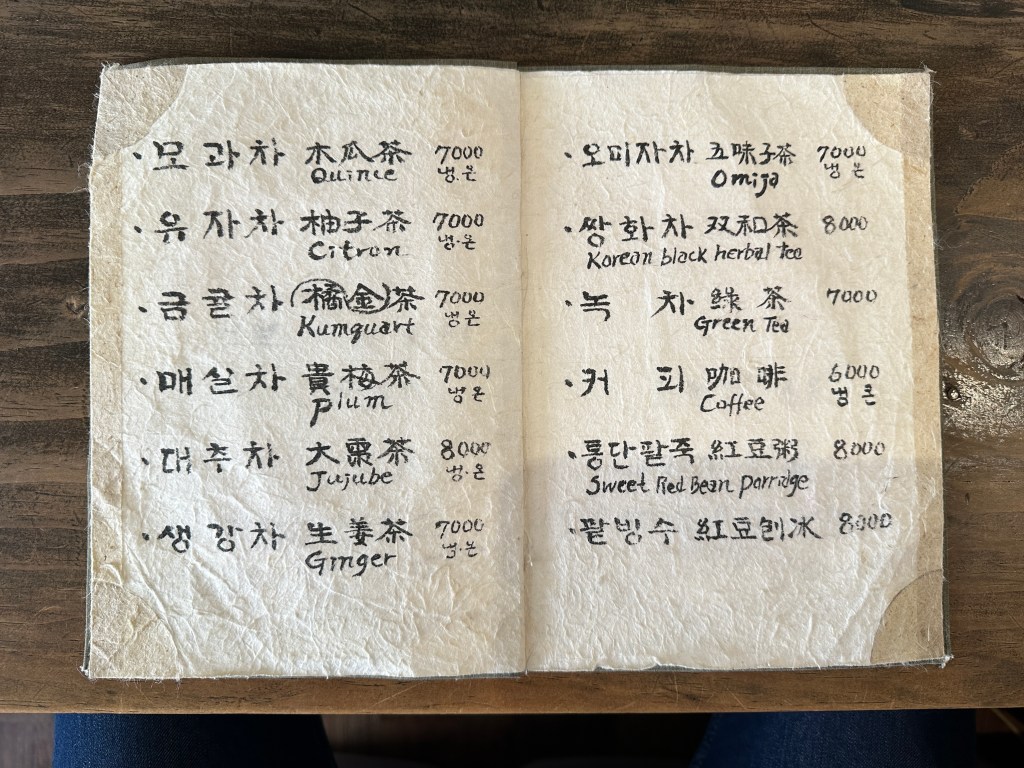

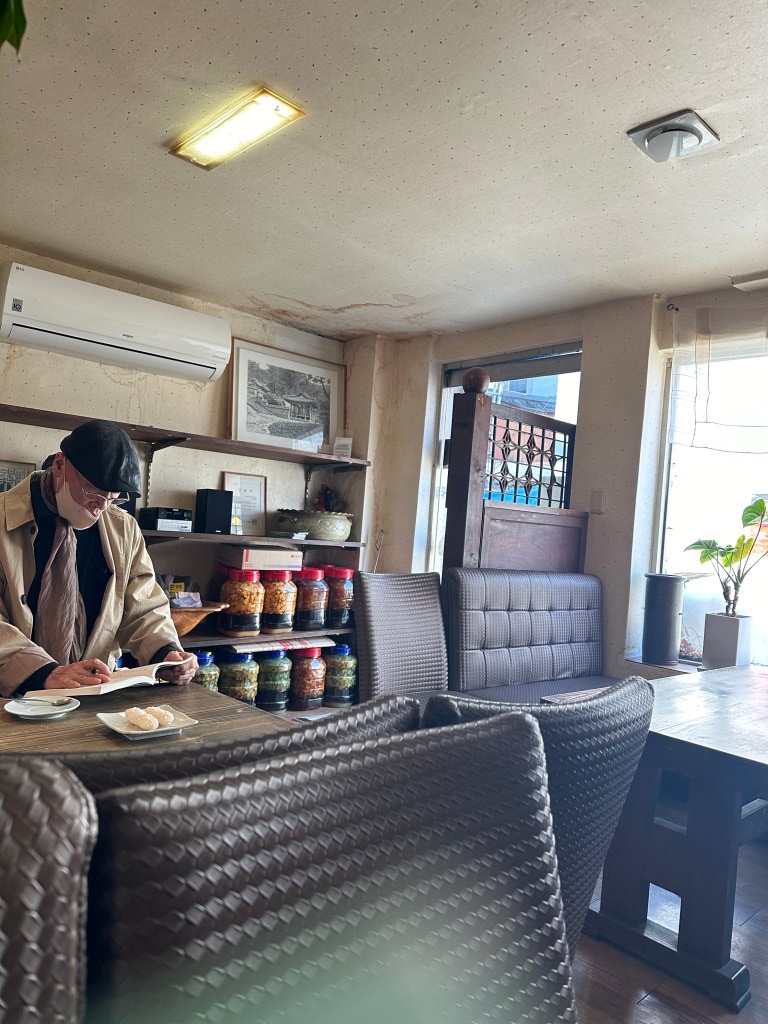
2nd Branch
Owned by the niece of SoonOk Moon, the wife of poet SangByeong Chen, the tea house continues to uphold its reputation as a gathering place for literary enthusiasts. With its cozy ambiance and offering of traditional sugar-soaked fruit teas and snacks, it’s no surprise if the clientele skews older. The owner, consistent from the beginning, exudes an elegant demeanor.
Opening Hours
11:00 ~ 22:00 Everyday.
Address
29, Heyrimaeul-gil, Tanhyeon-myeon, Paju-si, Gyeonggi-do
Price Range
7,000~8,000 (tea has served with snack)
3rd Branch(The Picnic to the world)
Located in Heyri, Paju City, known as the village of artists, this small museum preserves the legacy of Sangbyeong Cheon.
Opening Hours
09:00~21:00(Monday to Tuesday)
08:00~22:00(Friday to Sunday)
Price Range
Tea and Coffee
6,000 ~ 8,000
Dessert
12,000 ~ 16,000
Brunch(platter)
18,000
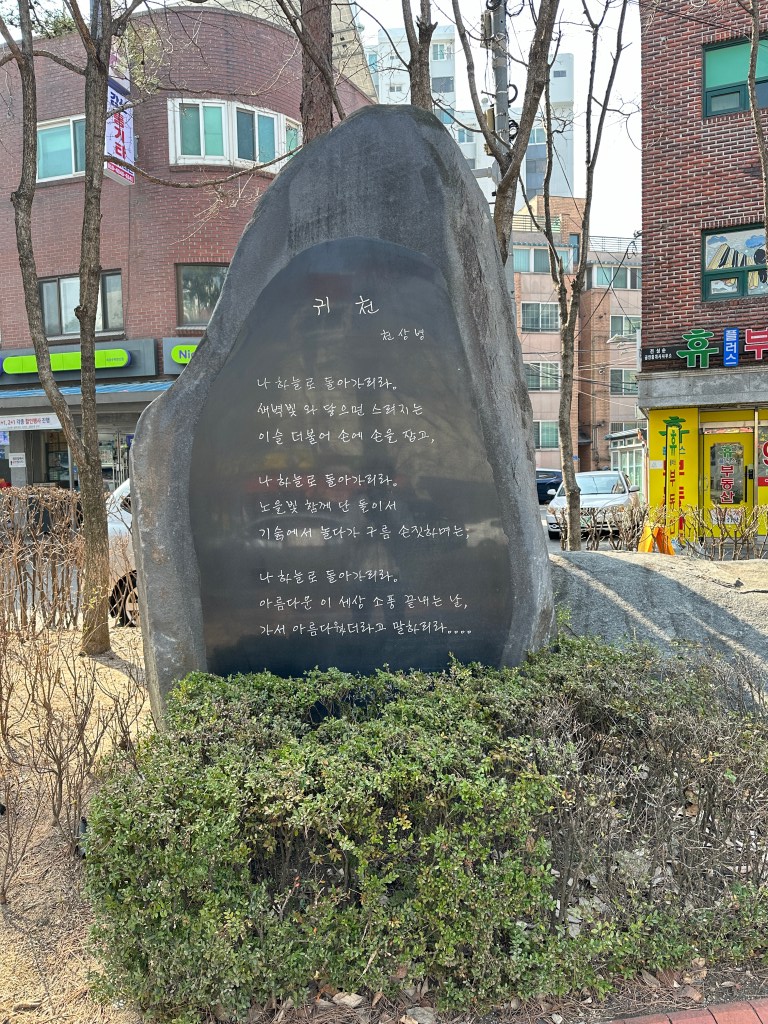
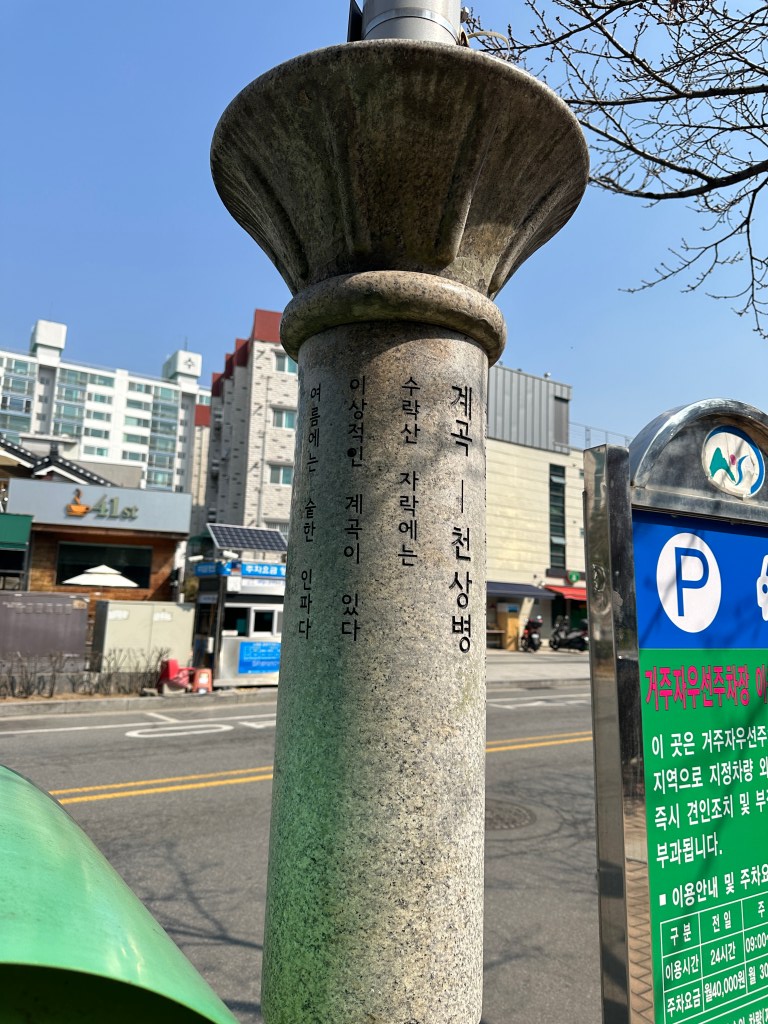
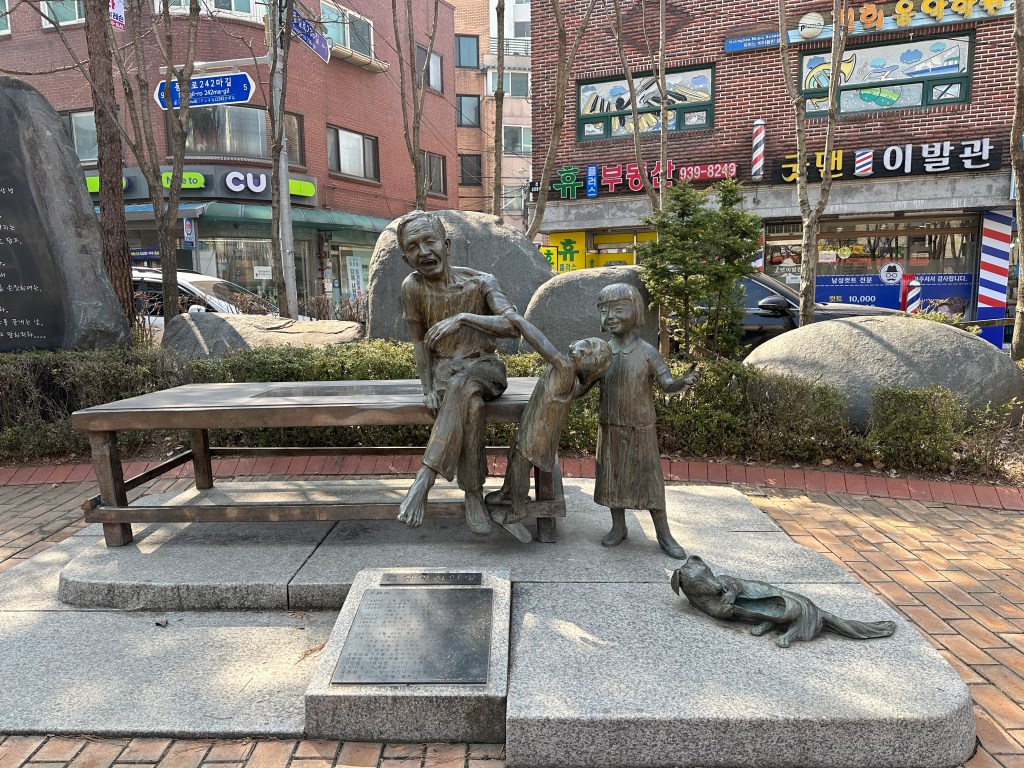
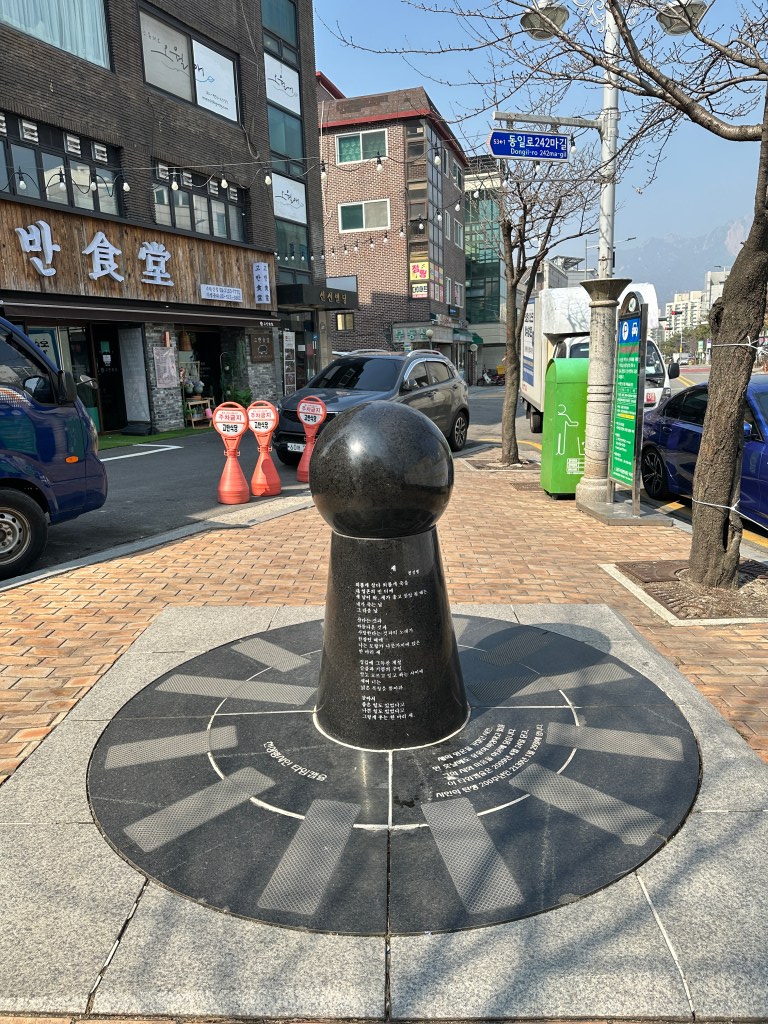

Sangbyeong Cheon park
This small park, situated near the Surak mountain trail, was home to Sangbyeong Cheon for 8 years after his marriage, where he created his major works. The park features his statue, poems, and a time capsule set to be unearthed in 2130, on the 200th anniversary of his birth.
Address
996-27, Sanggye-dong, Nowon-gu, Seoul
- This park is relatively small, so I recommend stopping by while on a trip to the Surak mountain trail.
Setyeeseo literary museum (literary museum for three)
This literary museum is located in Eunpyeong Hanok Village. As its name suggests, the museum showcases not only Sangbyeong Cheon’s works but also exhibits the works of two other literary figures, OiSoo Lee and Monk JoonGwang. The three of them published a book titled ‘With Three of Thief’. Each of them is known for their eccentricity. While most of the exhibits are in Korean, it’s recommended to visit when exploring Eunpyeong Hanok Village to experience modern-style traditional houses.
Opening Hours (Closed on Monday)
10:00~18:00 (Tuesday to Sunday)
12:00~13:00 (Lunch break)
Address
23, Jingwan-gil, Eunpyeong-gu, Seoul
Admission fee
Free.
 EZ K-PEDIA
Leave a comment