
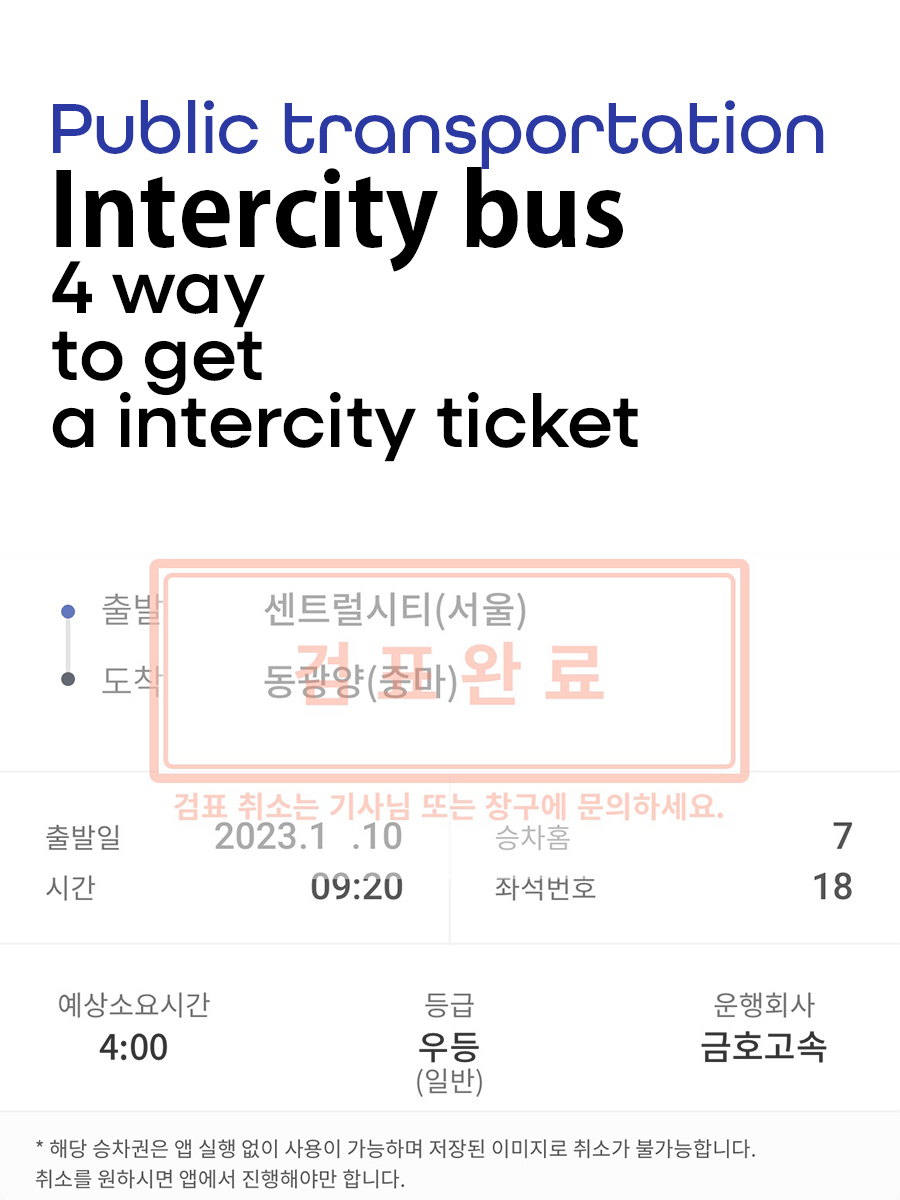
Solo Travel
It’s travel season soon. Flower blooming is starting from the southern part of peninsular and spreading up to the northern area. I previously posted a comparison of four different bus terminals in Seoul. In this chapter, I’d like to introduce reserving tickets.
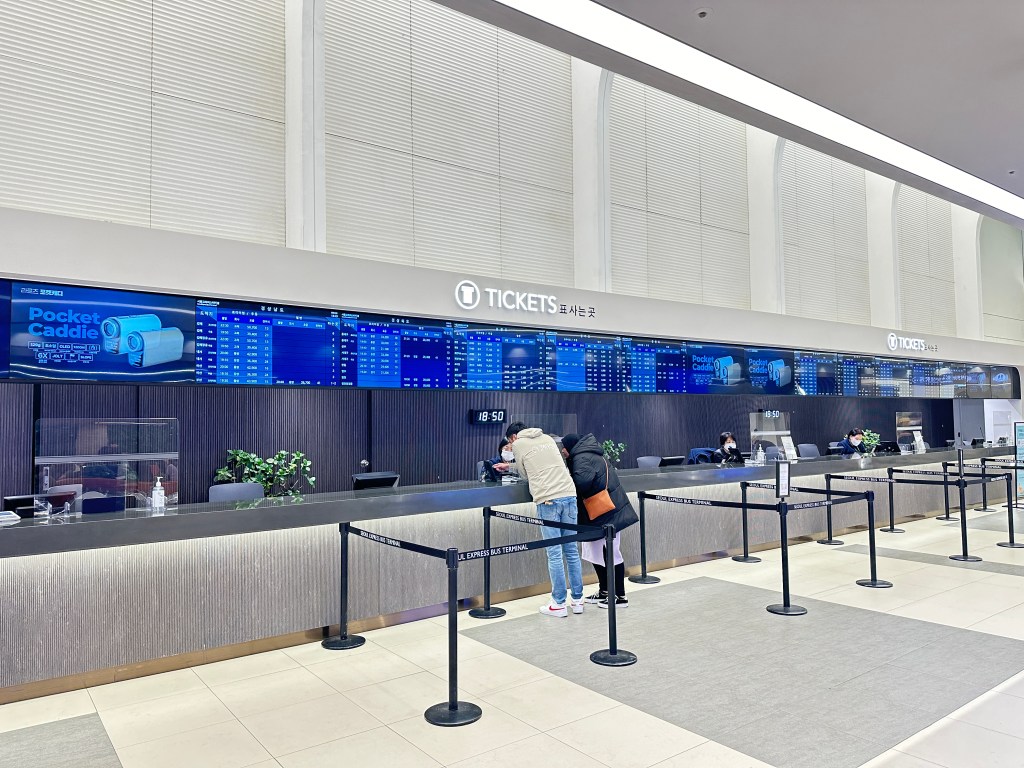
Ticket boot
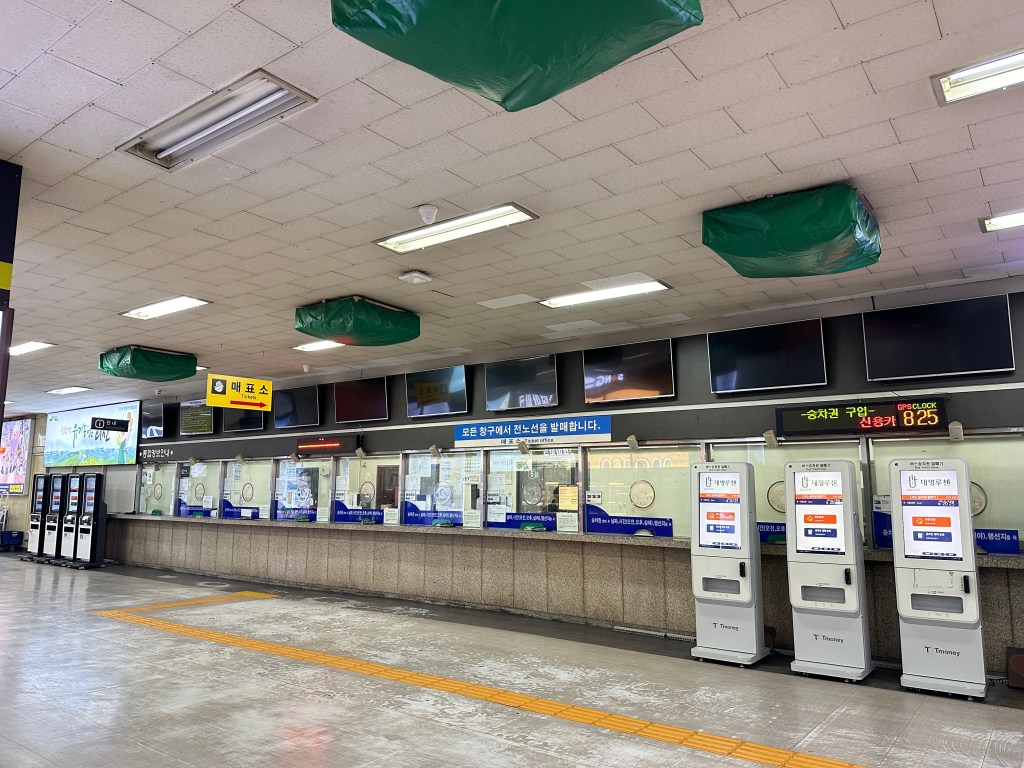
It’s the traditional way to buy a ticket. There used to be a teller awaiting travelers. With the increase in international travelers, almost all tellers can speak English while selling tickets. However, ticket booths have now been replaced by kiosks, leaving only 1-2 tellers in each terminal. Furthermore, it’s always crowded with people, especially the elderly who are not familiar with using it, thronging the ticket booth. Kiosks are one way to avoid the crowd on-site.


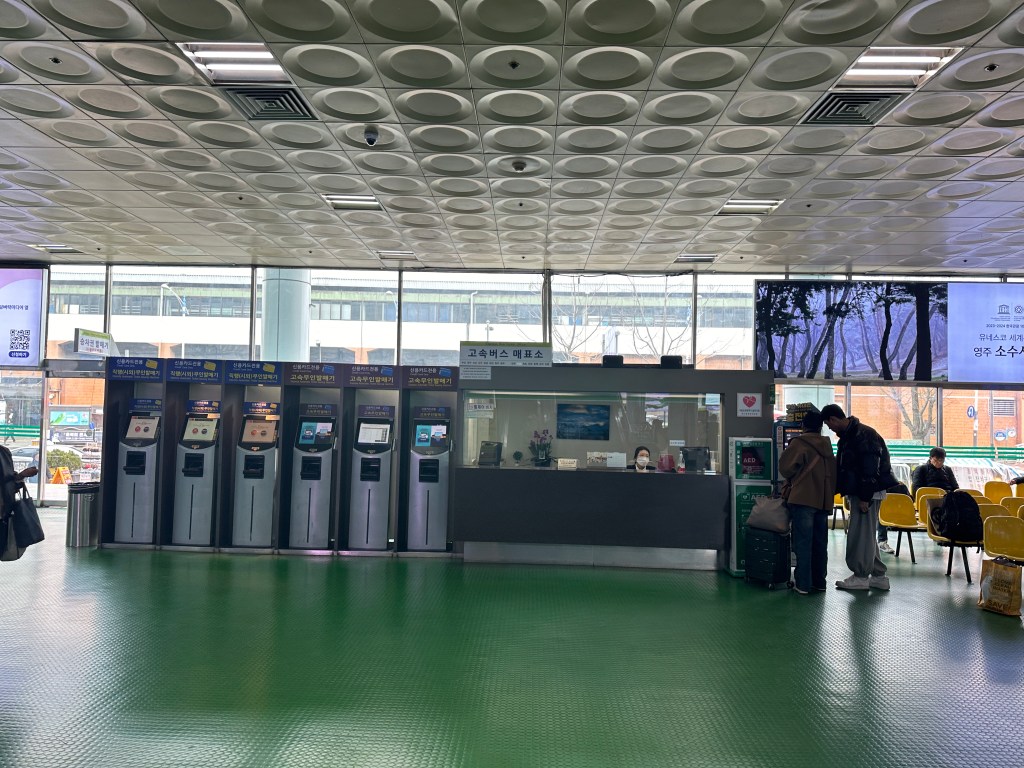
at Dong(east) Seoul terminal
Kiosk
The kiosk will be an alternative option on-site. For non-Korean tourists, it will be a better option than a teller due to its language options. Usually, it operates in 4 languages: Korean, English, Chinese, and Japanese. When looking at the corner of the screen, there will be a language selection option. Once you touch the menu, it will shift to the language you choose. Your departure terminal is already set, and you need to select your destination. But it’s not certain whether the departure terminal can be changed or not. Because Dong(East) Intercity Bus Terminal has 2 different ticketing kiosks due to its 2 bus systems – Express and Intercity – it requires knowing which bus you are going to ride. I’ve attached a tutorial video below.
Website
There are three terminals in Seoul, but you can reserve through 2 different websites: KoBus and TxBus. KoBus specializes in express buses, while TxBus specializes in intercity buses. KoBus offers options for the Central, Gyeongbu, and Dong (East) Seoul bus terminals, while TxBus offers options for Dong (East) Seoul and Nambu (South Seoul). However, TxBus has various destinations. Both websites offer language options in Korean, English, Chinese, and Japanese. They accept cards, but it’s unclear which cards are not available. People who reserve tickets through the website can change their destination or cancel their reservation through the website. However, they need to make sure about the cancellation regulations and must check their reservation number and the card they used for payment.
KoBus: https://www.kobus.co.kr/mrs/rotinf.do
TxBus: https://txbuse.t-money.co.kr/
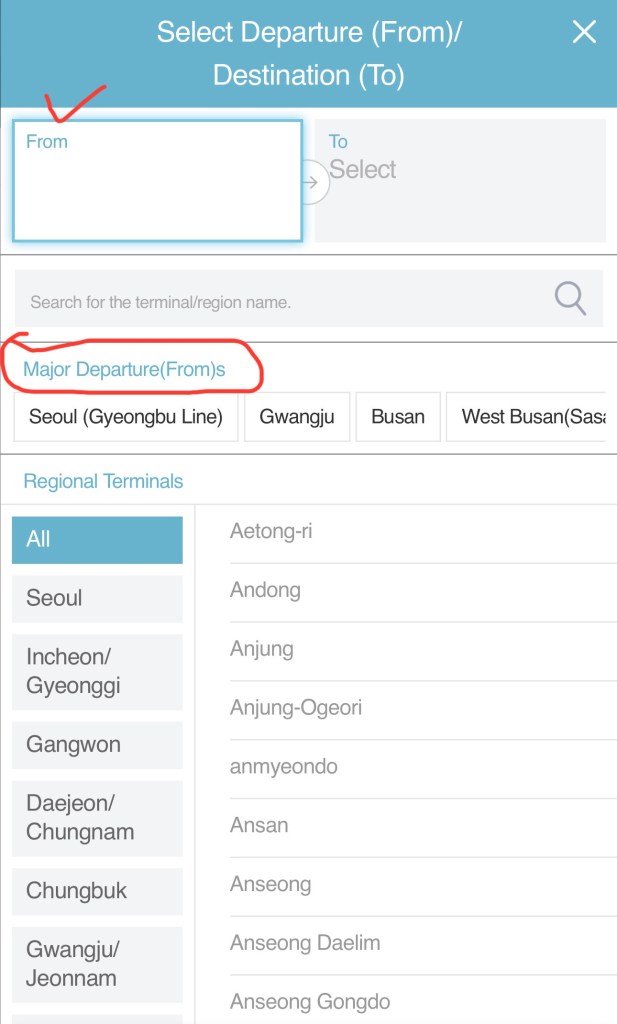

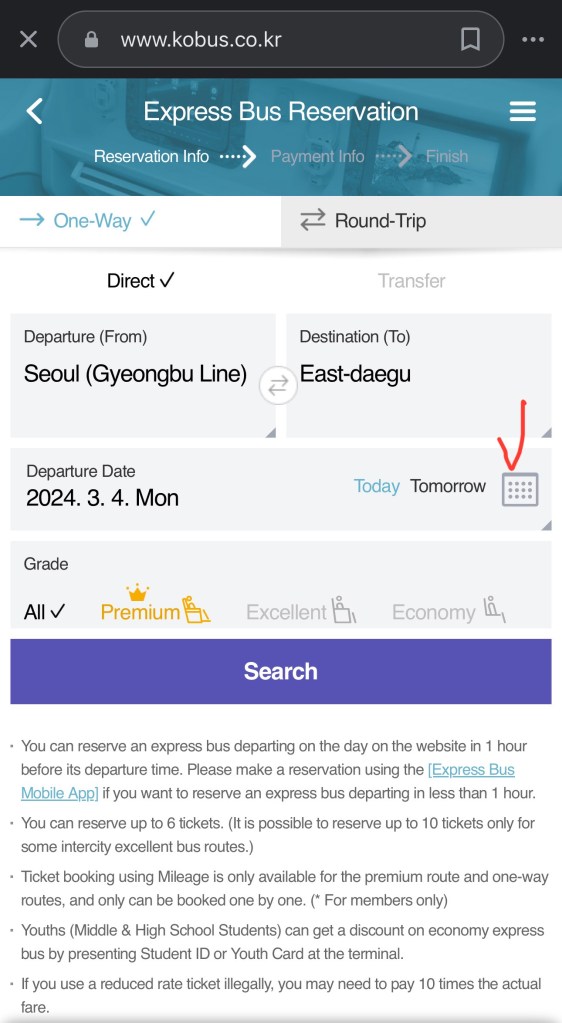
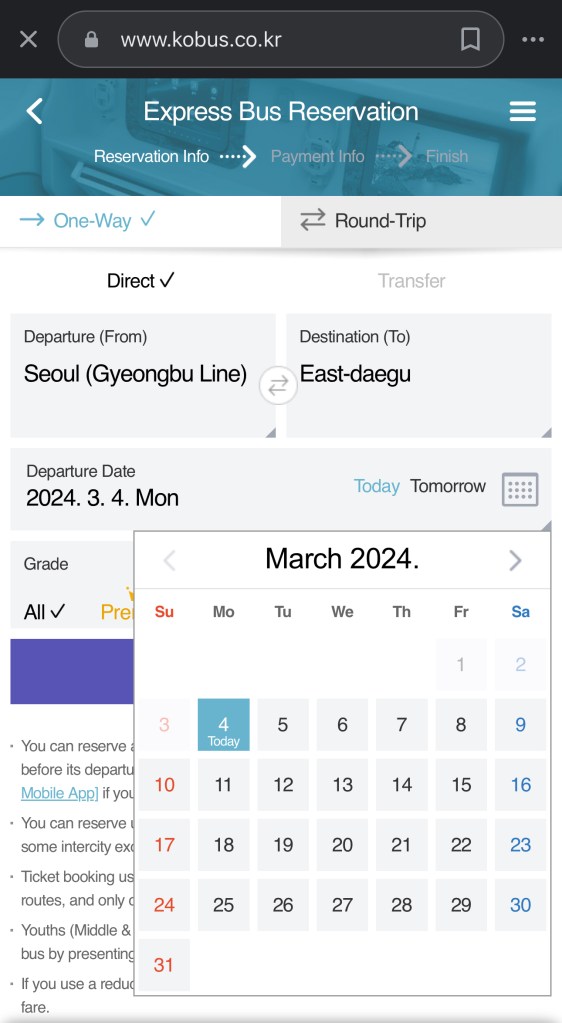
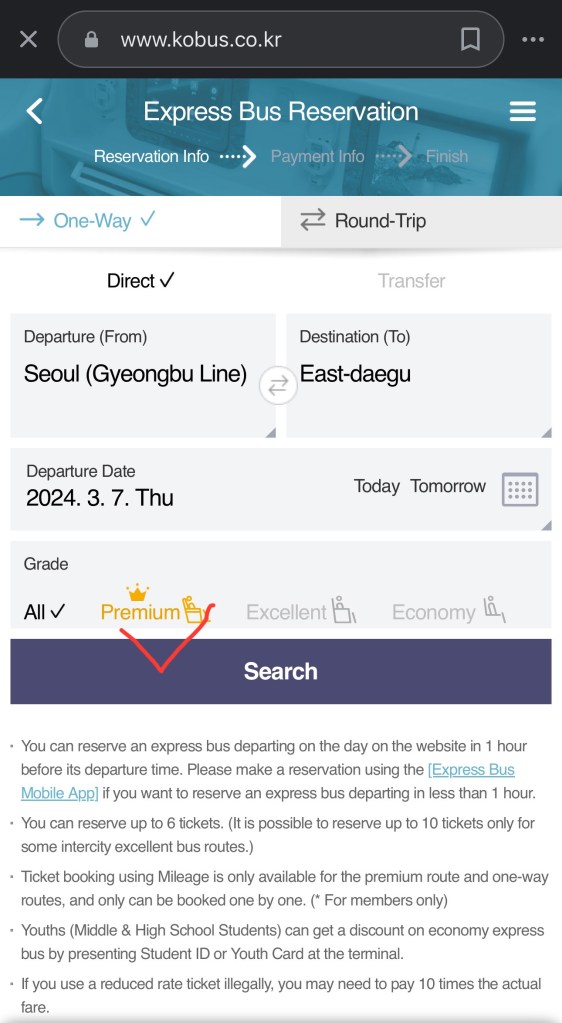

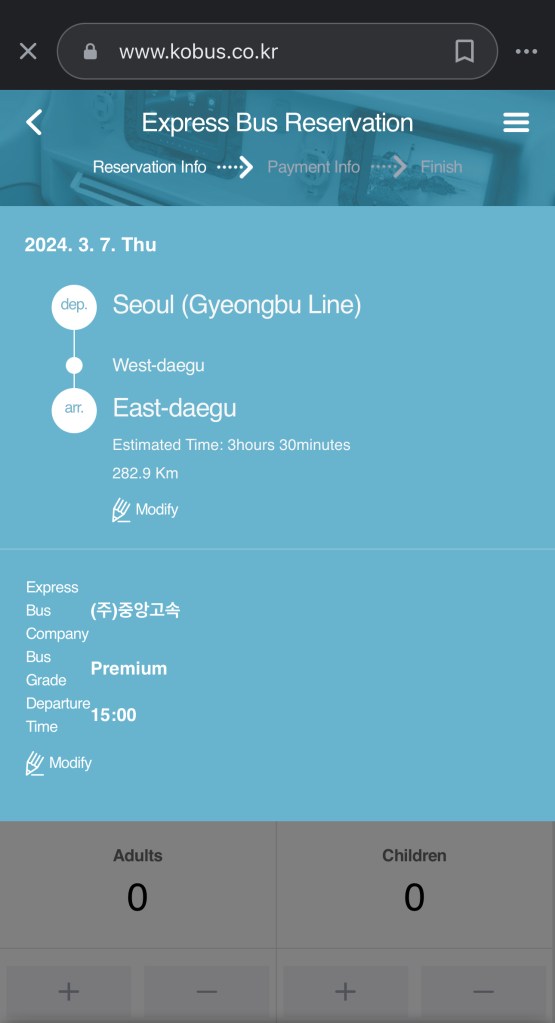
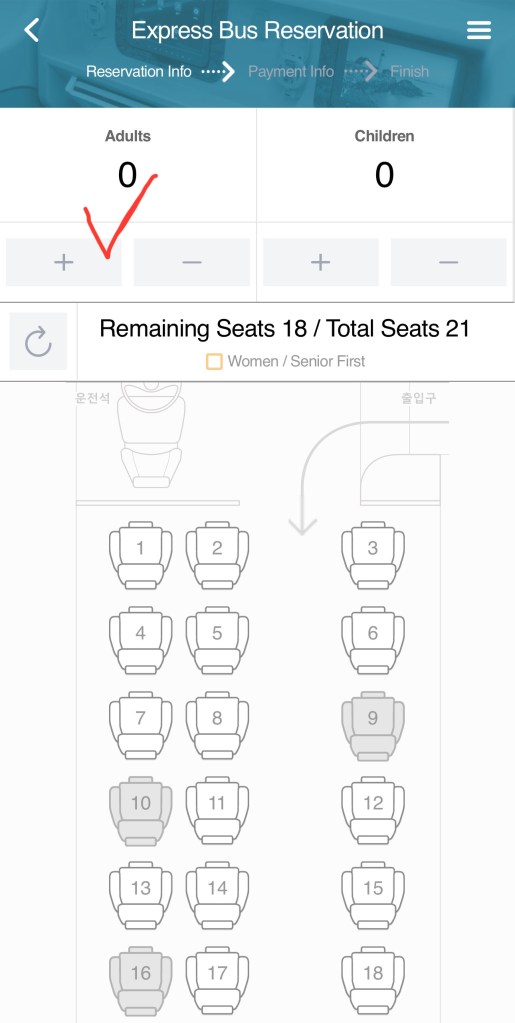


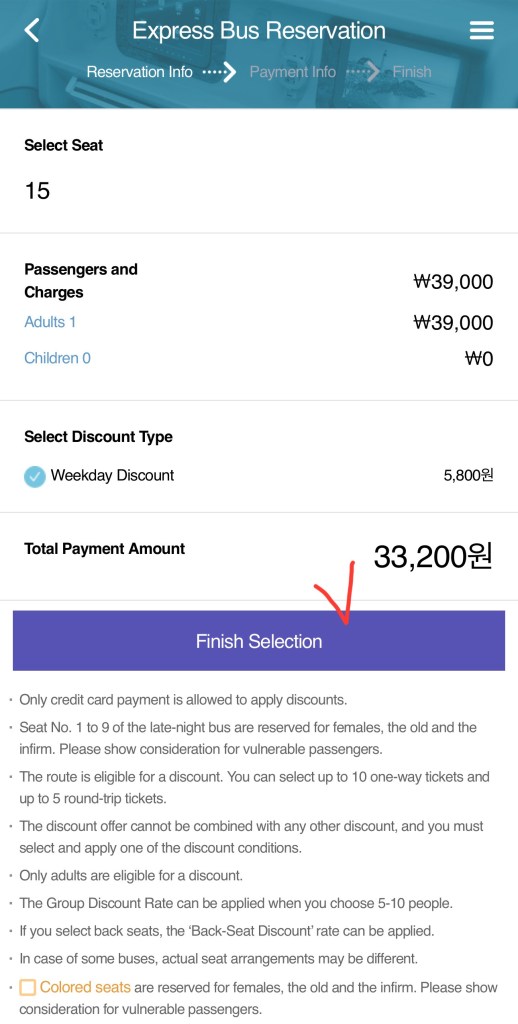
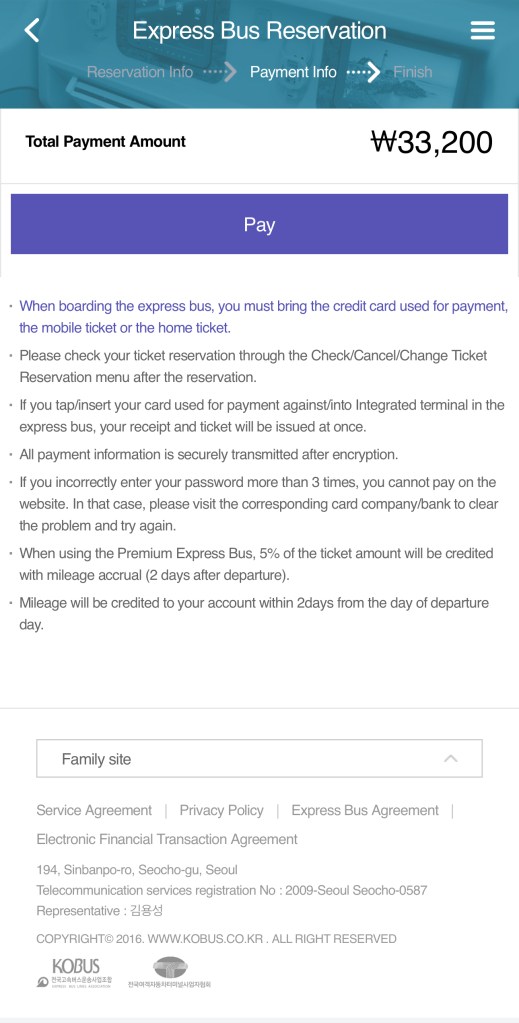

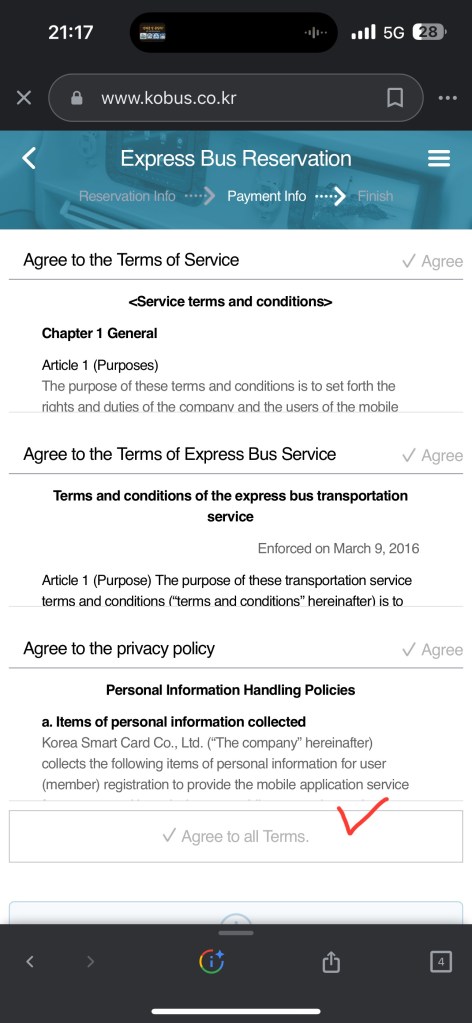
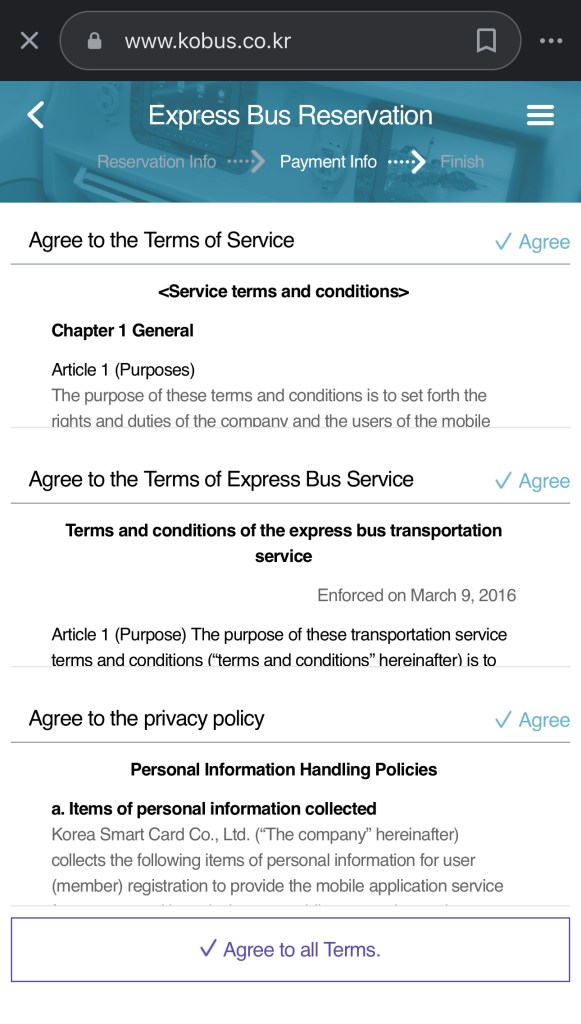
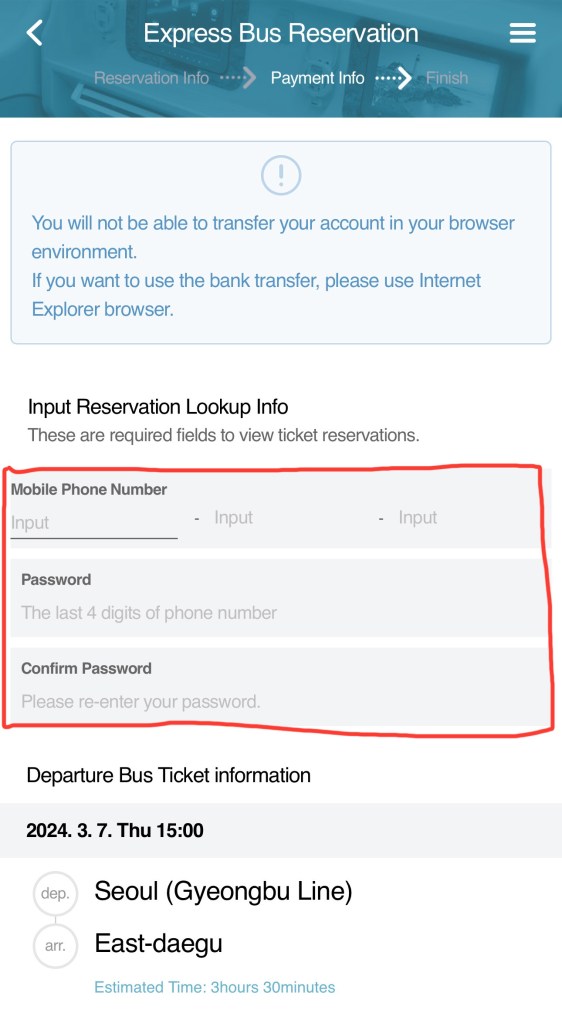
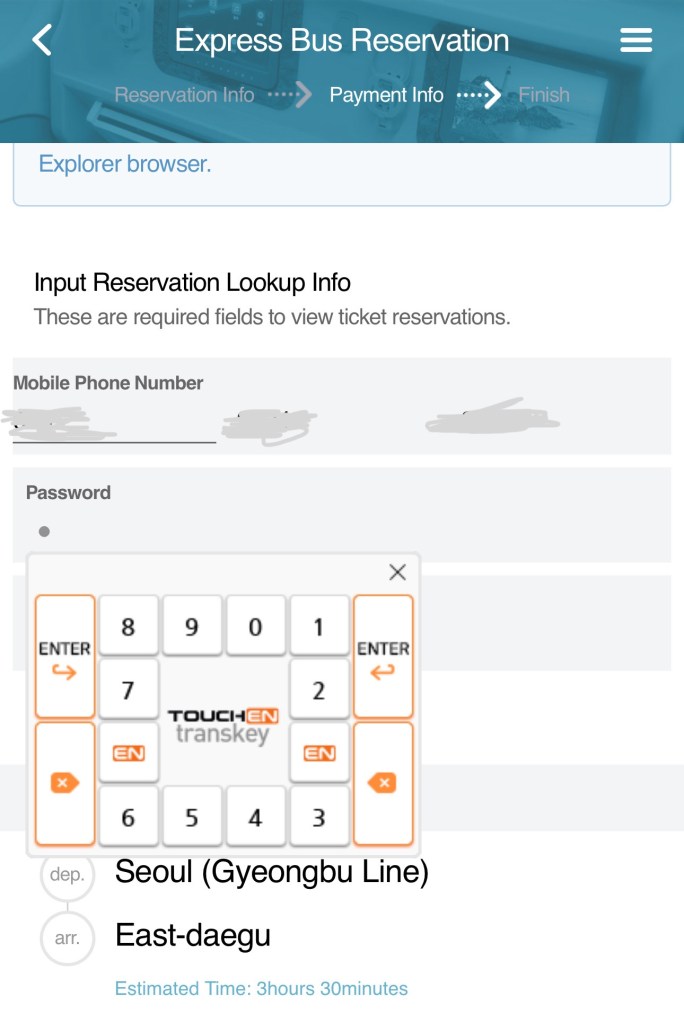
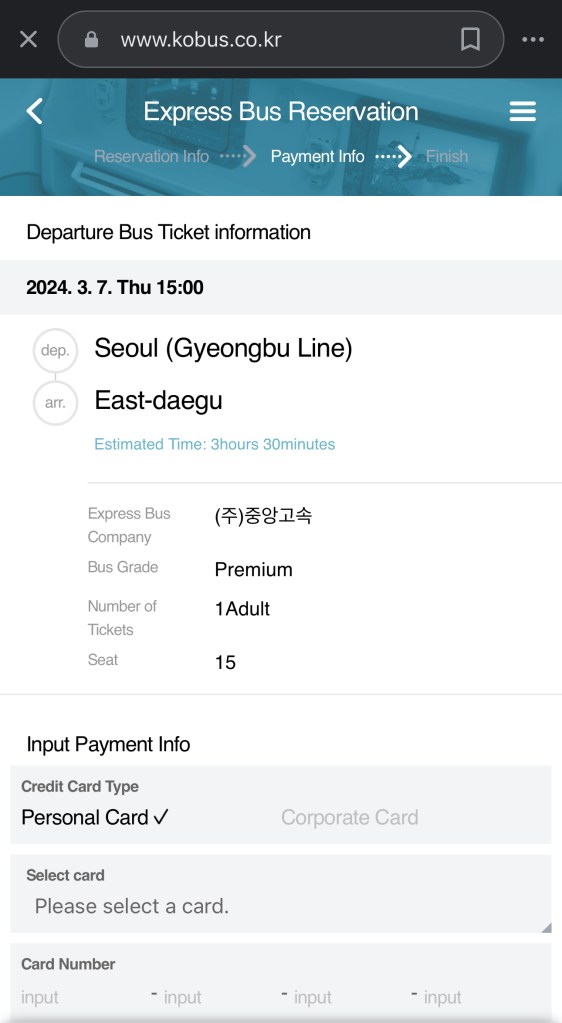
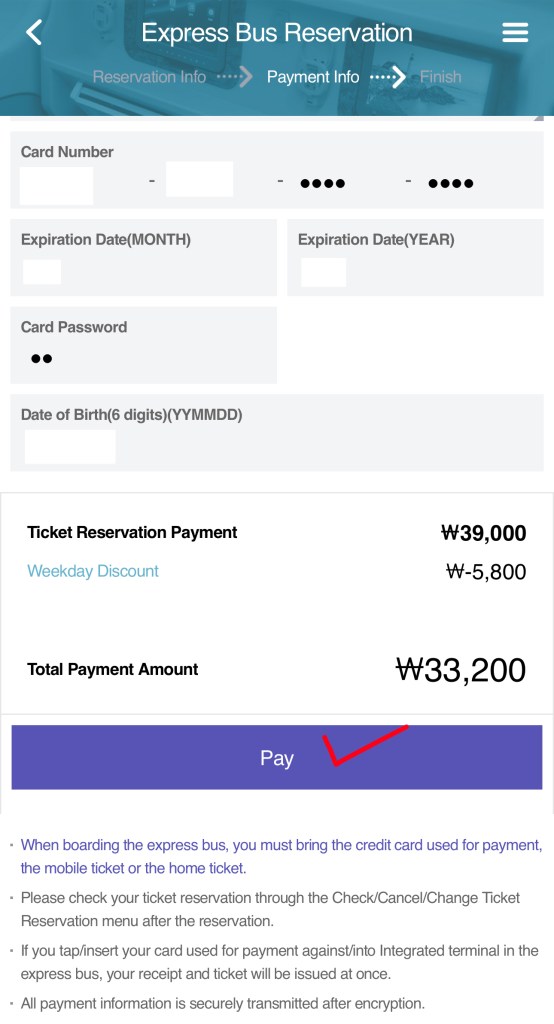

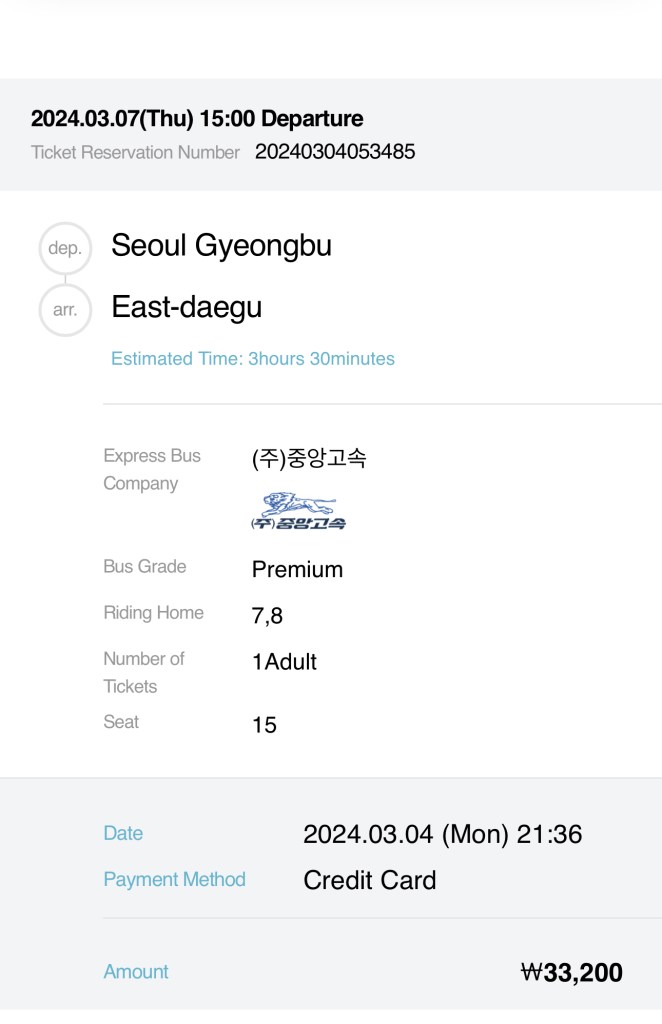
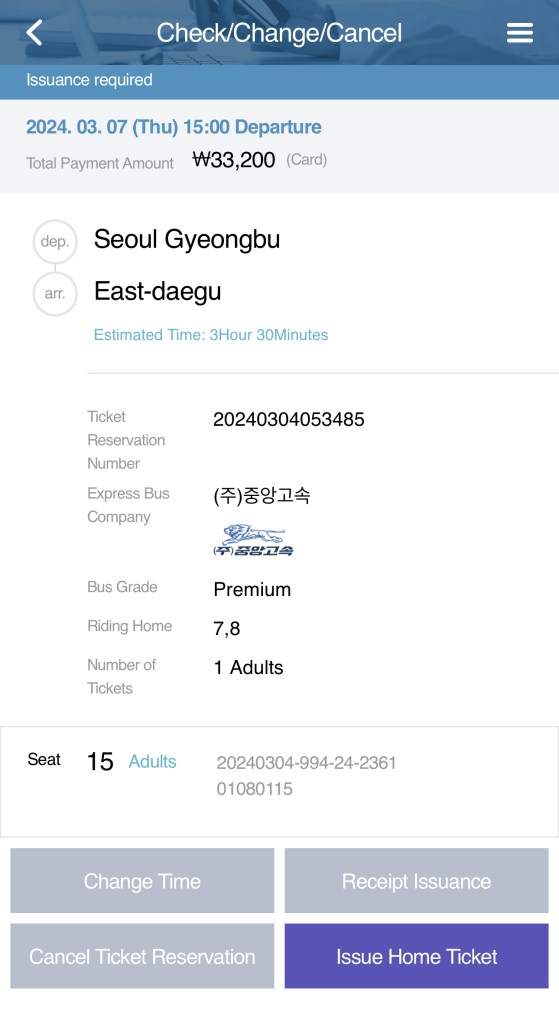
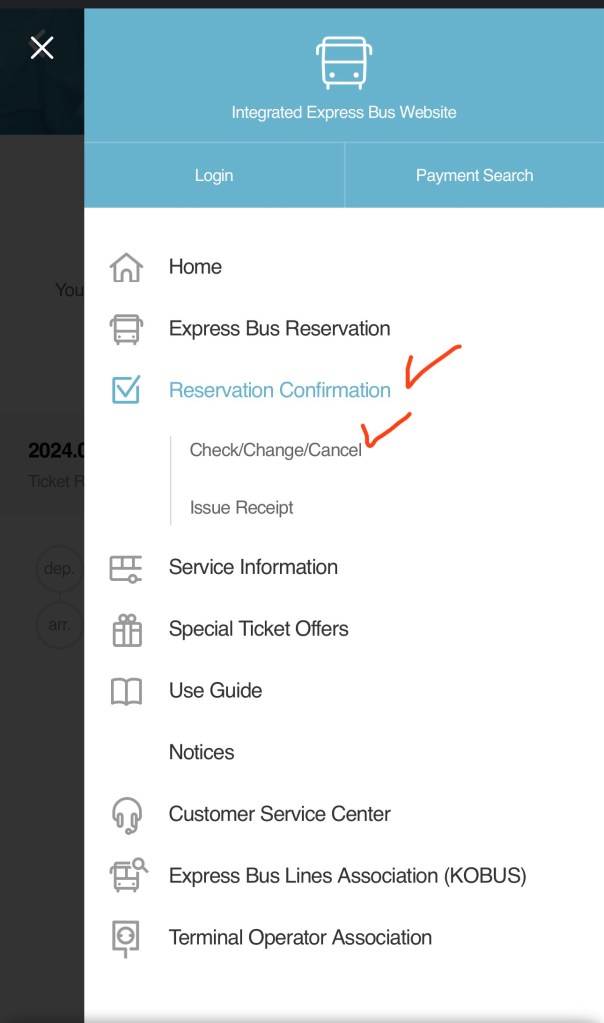


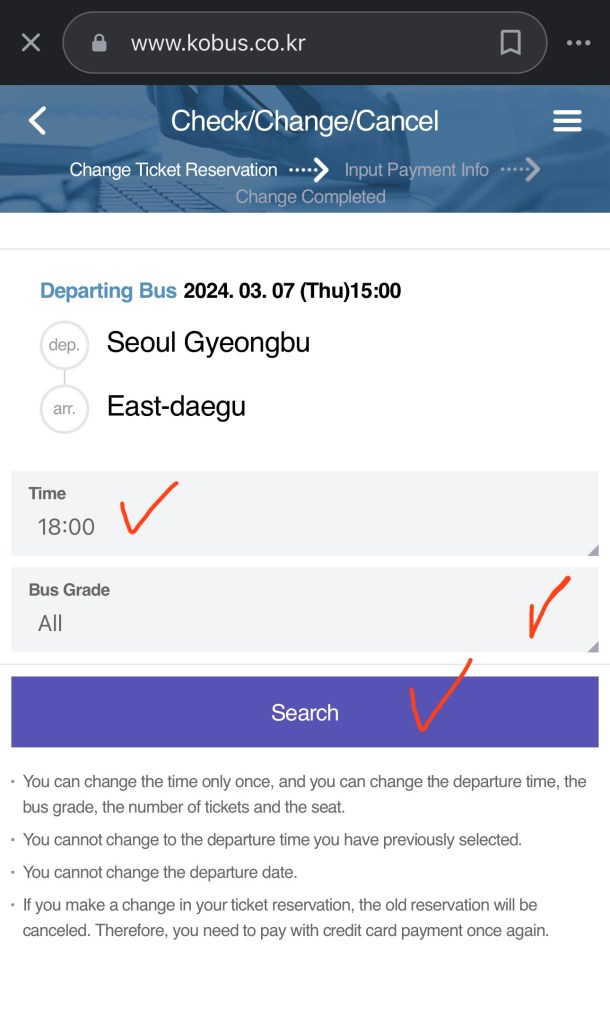
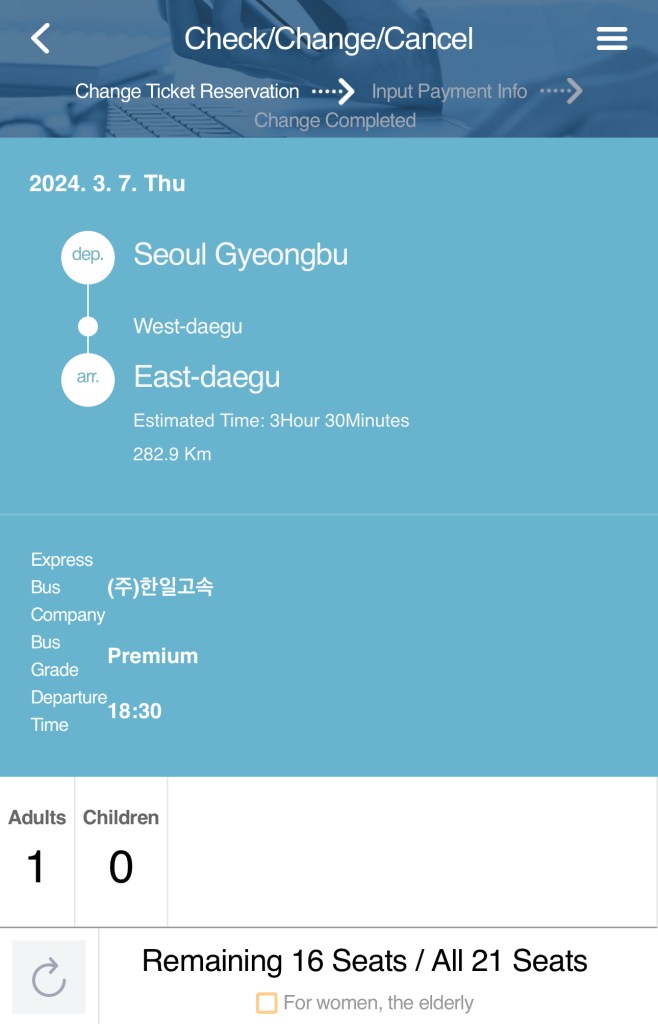

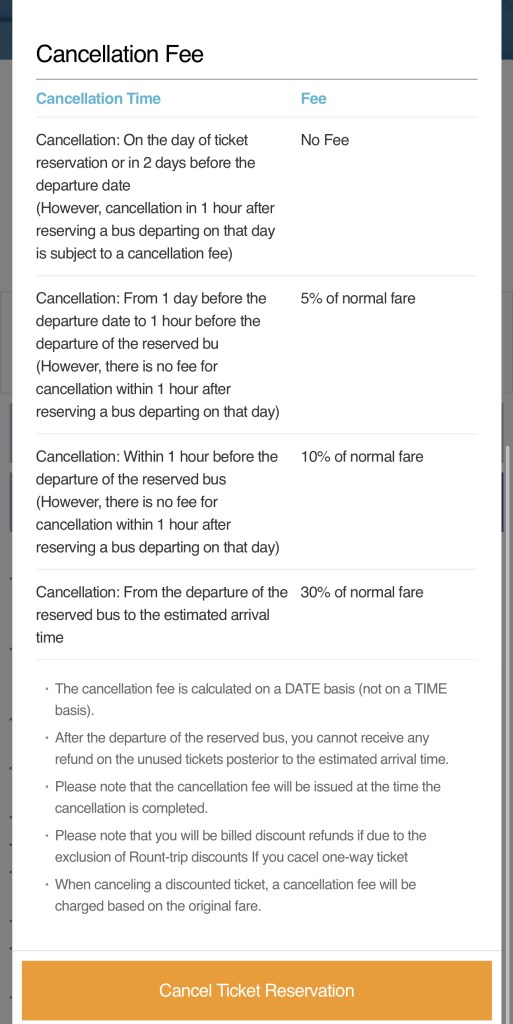


*How to reserve ticket at TxBus website is not too different from KoBus.
App
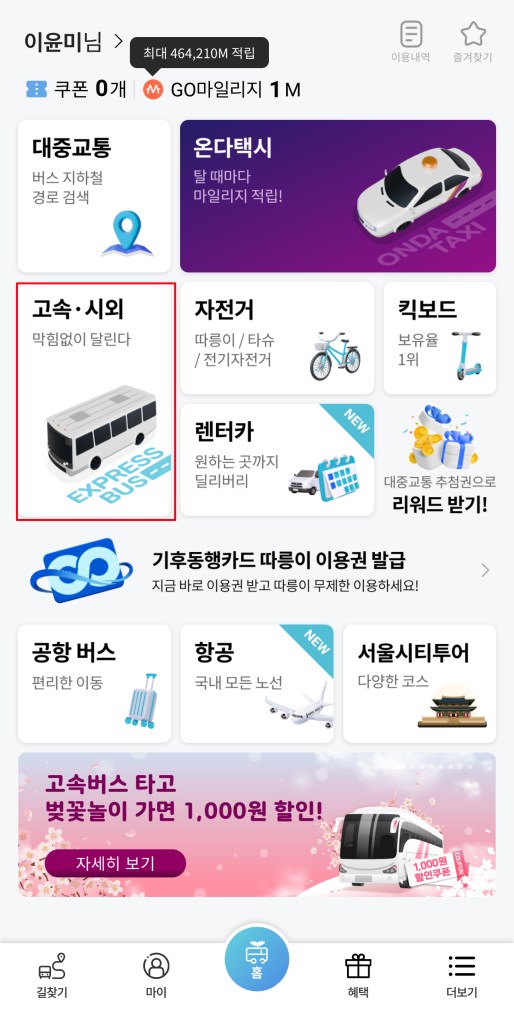
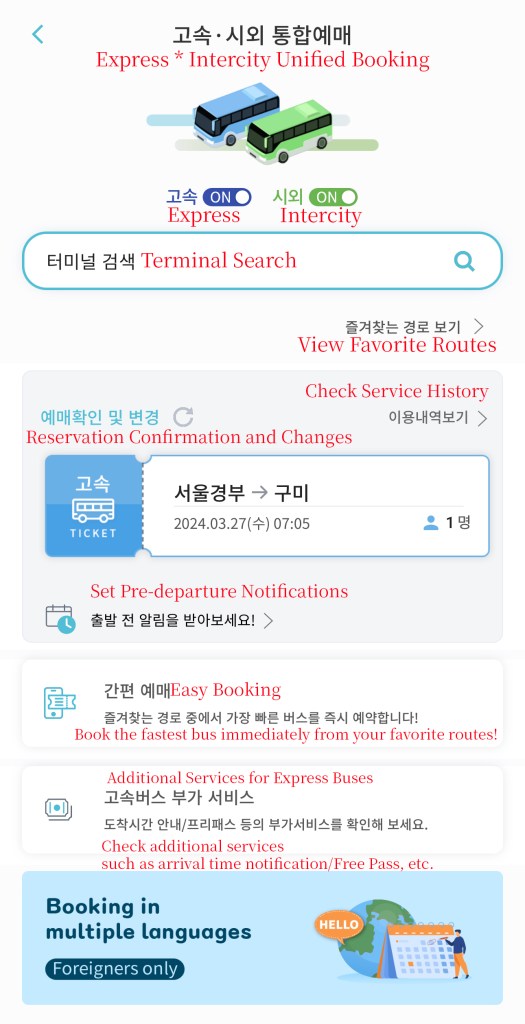
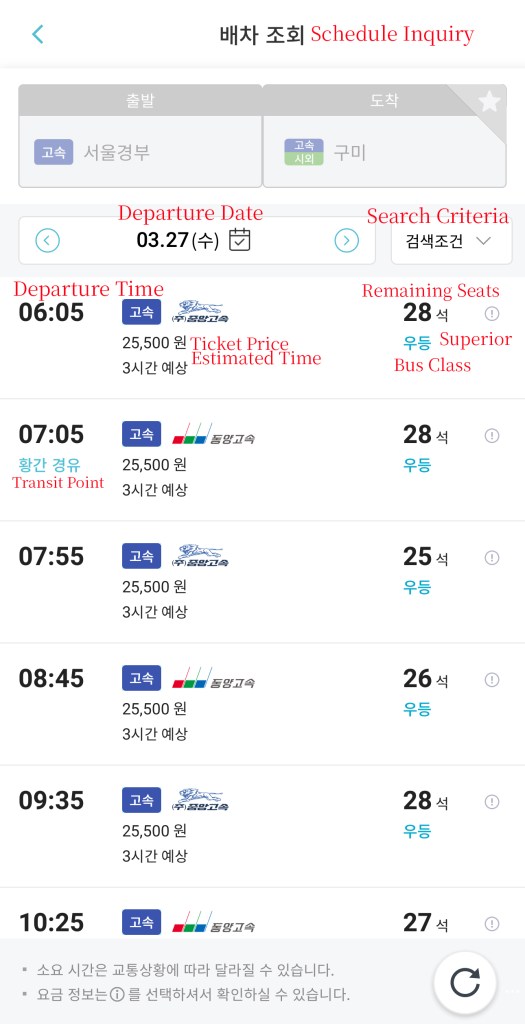
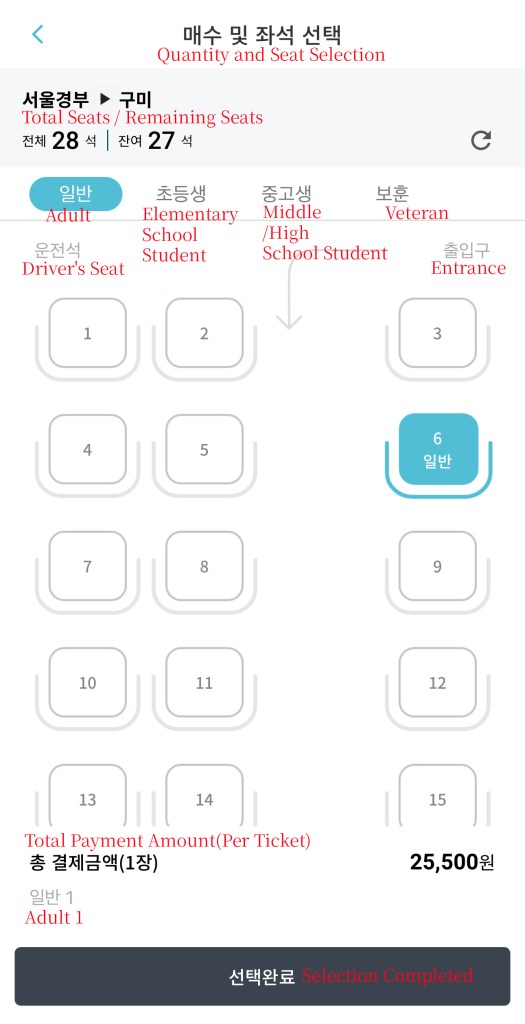
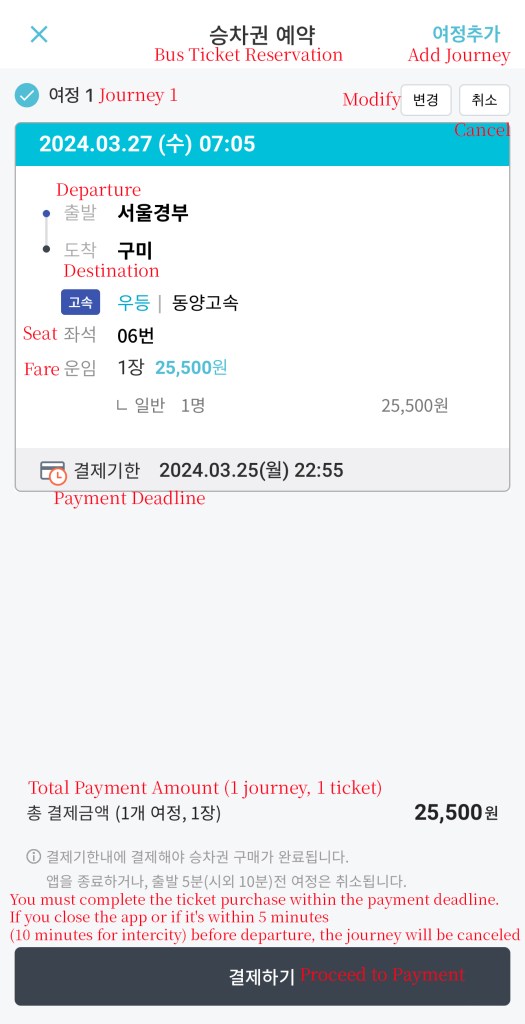
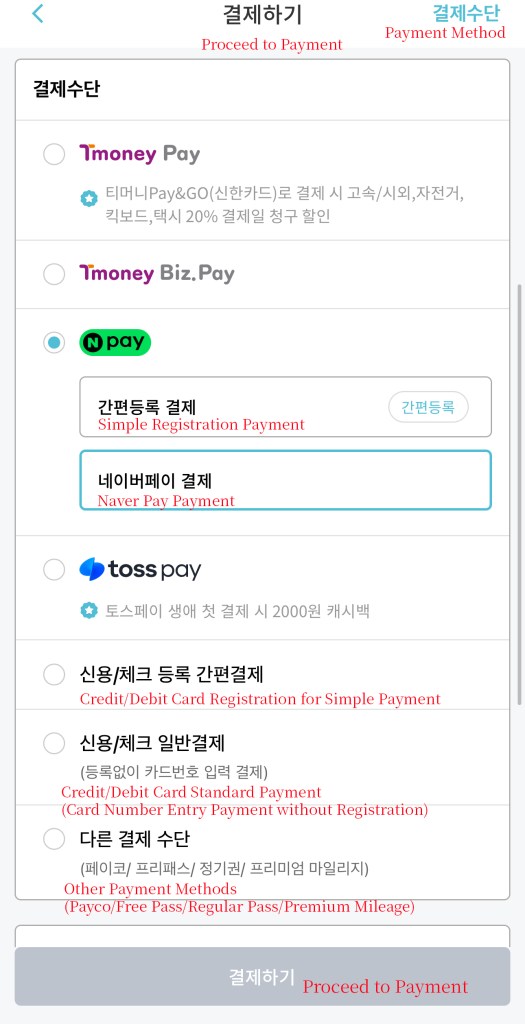
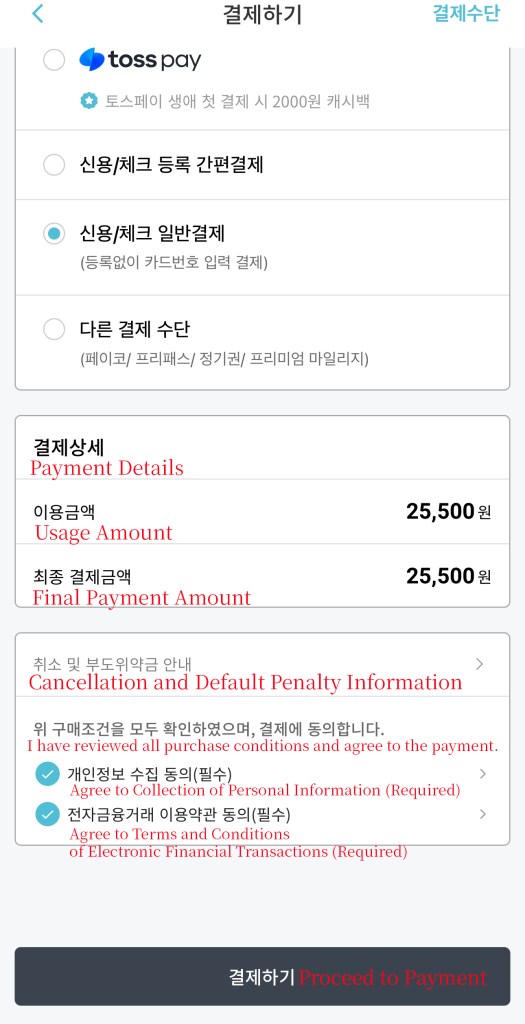
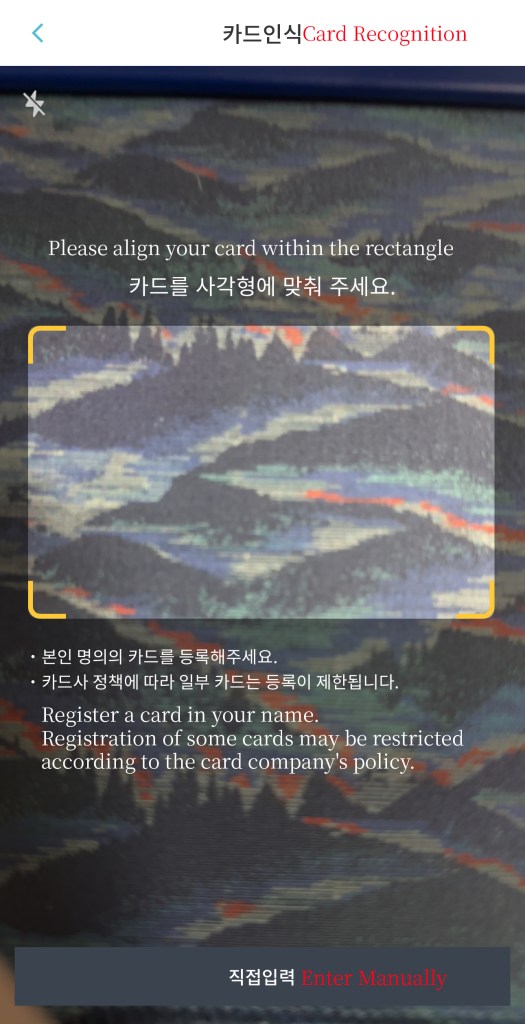
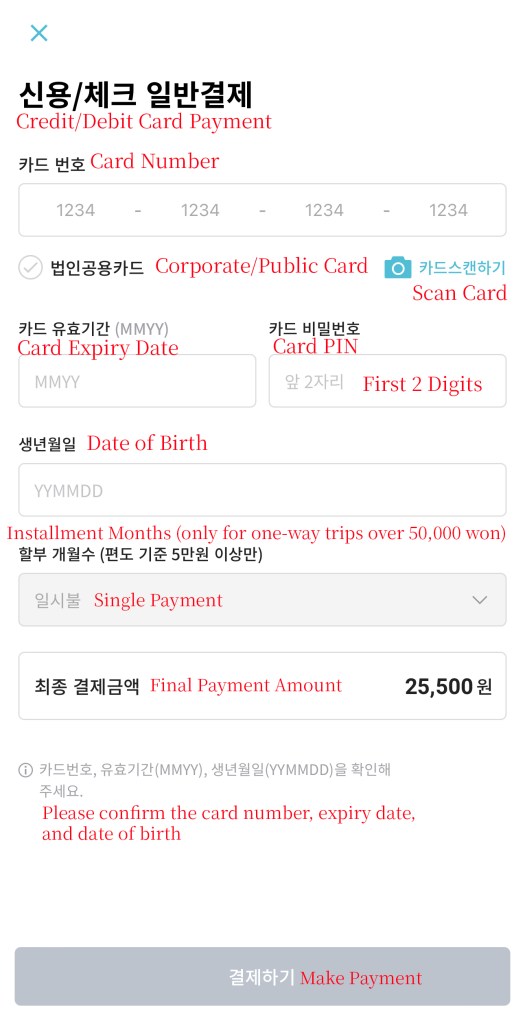
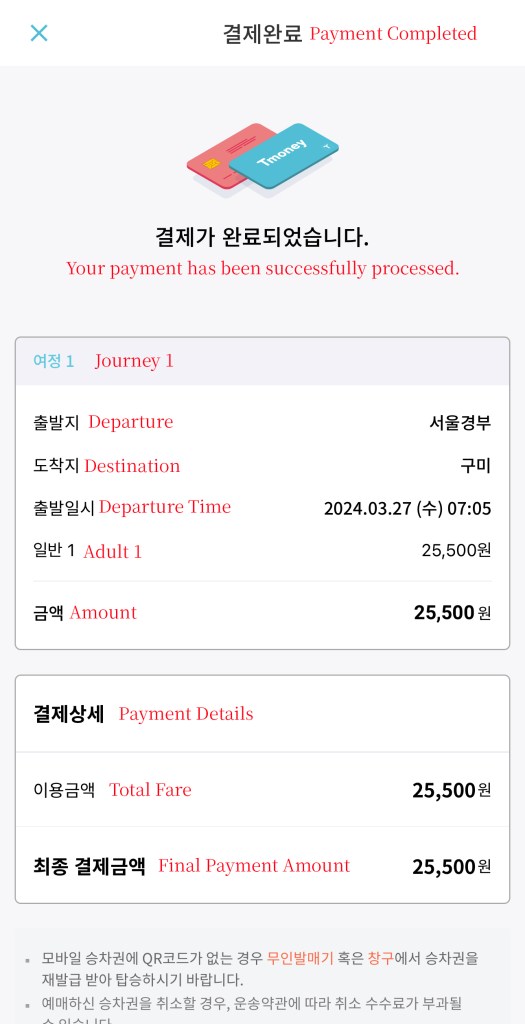
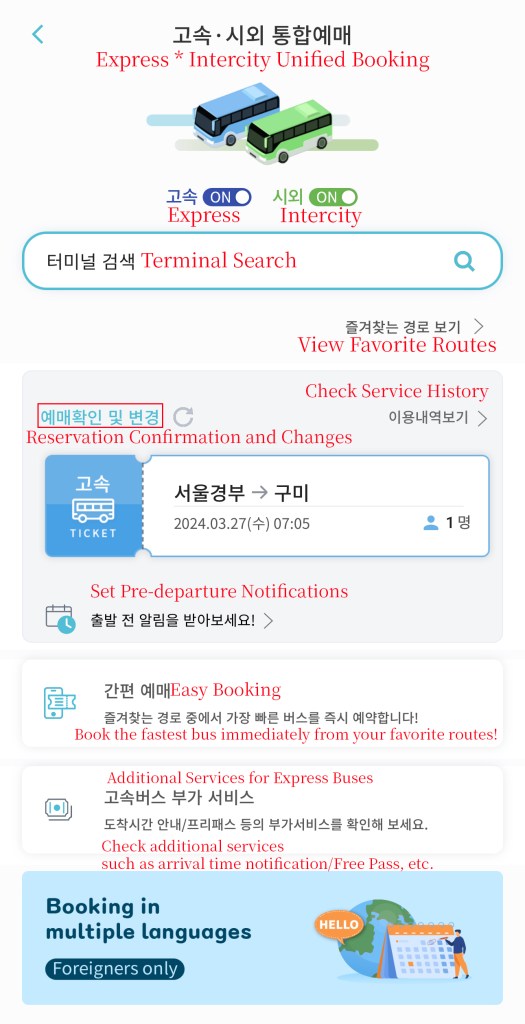
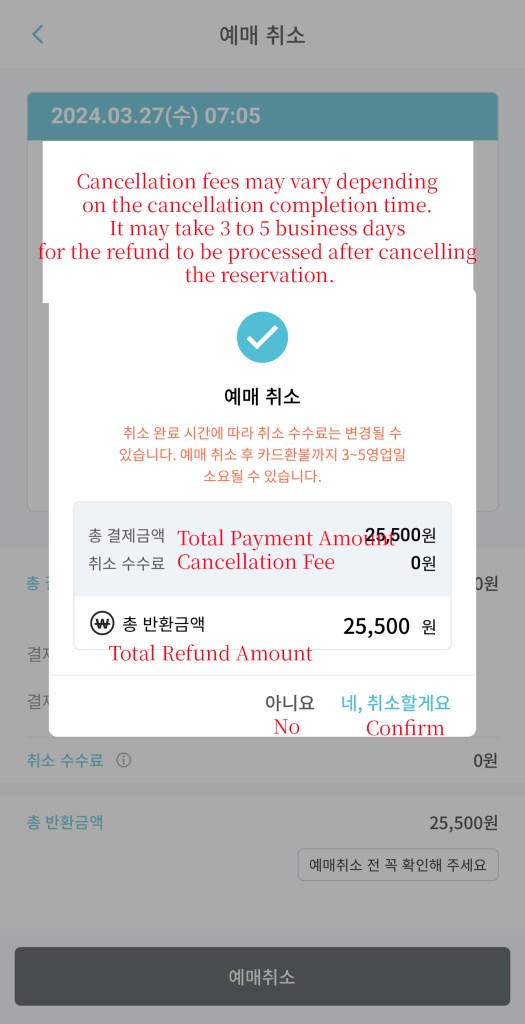
Both websites have their own app, but for this post, I’ll only use Tmoney Go. While its website only offers intercity bus tickets departing from Seoul, the Tmoney Go app allows you to reserve all kinds of intercity bus tickets, including express tickets or taxis, and even flights to Jeju. It’s convenient for reservations and cancellations. However, the problem is that it only offers Korean language. It has a booking option in multiple languages, but it pops up the KoBus website when you click the banner. For your convenience, I’ll include a screen capture of how to reserve it in the app.



Enjoy your delightful journey out of Seoul!
EZsPEDIA © 2024 by YUNMI LEE is licensed under CC BY-NC-ND 4.0
 EZ K-PEDIA
Leave a comment