
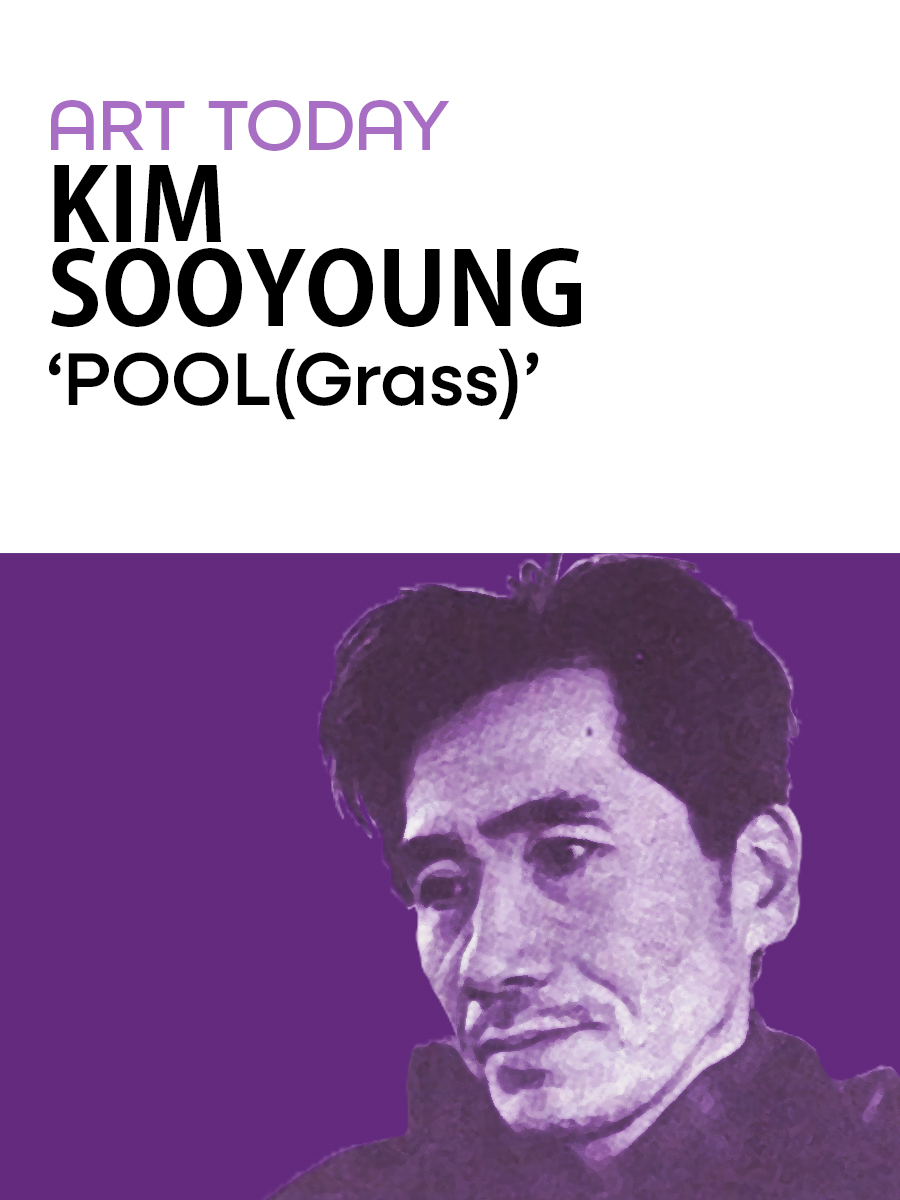
ART TODAY_Poet_06
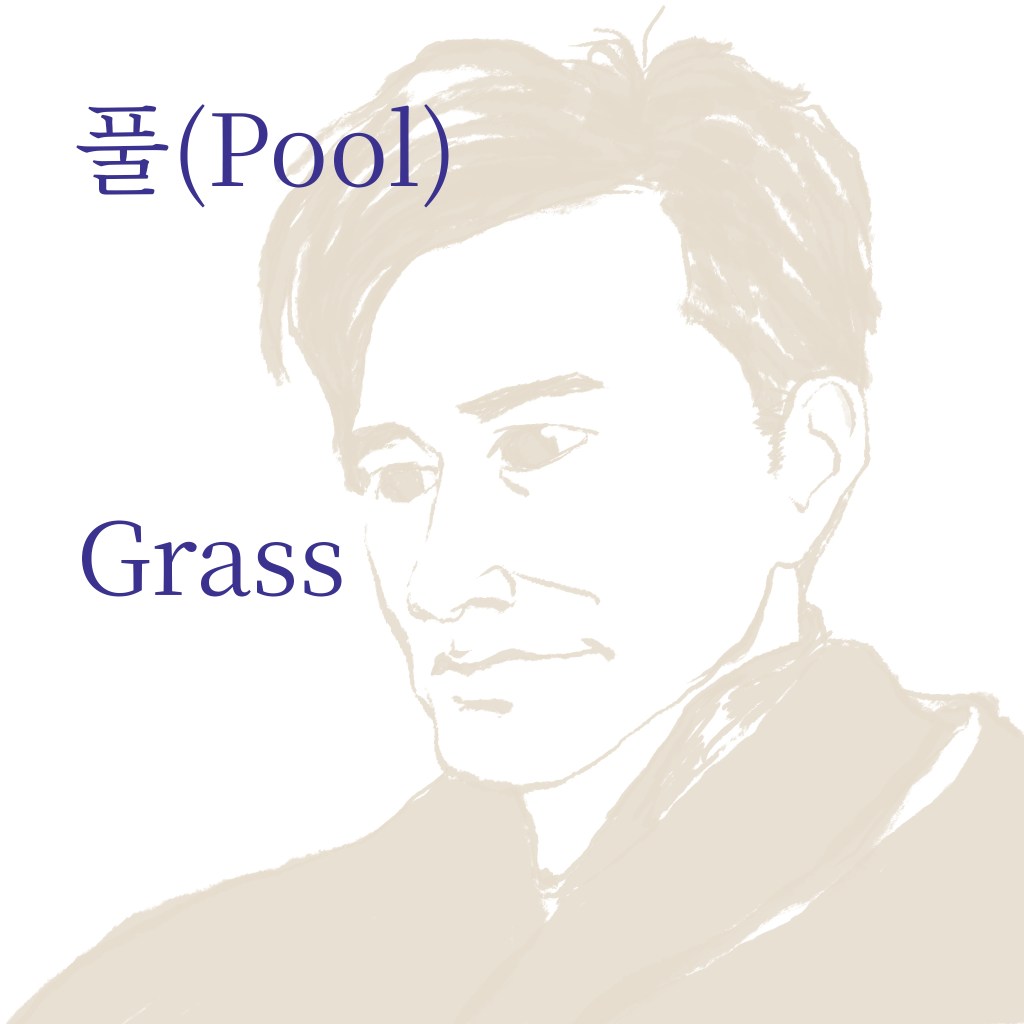
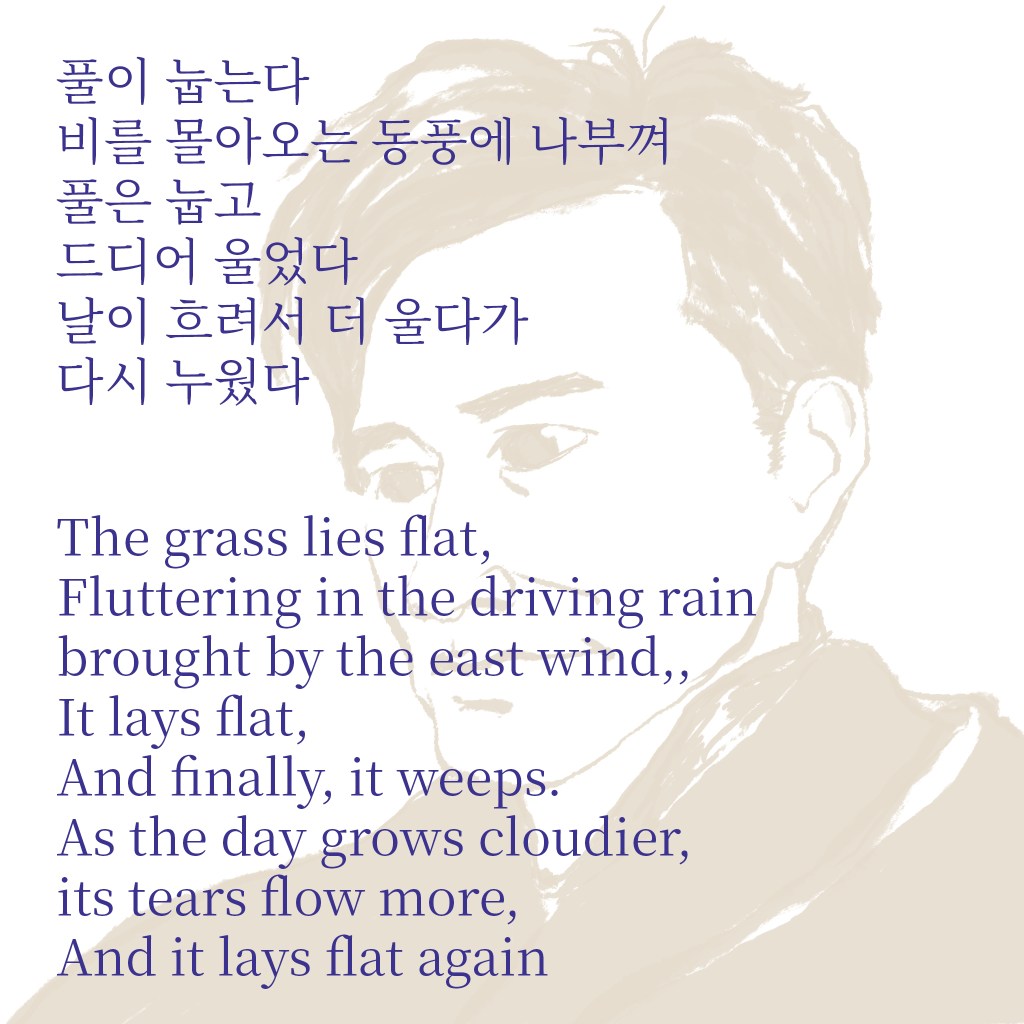

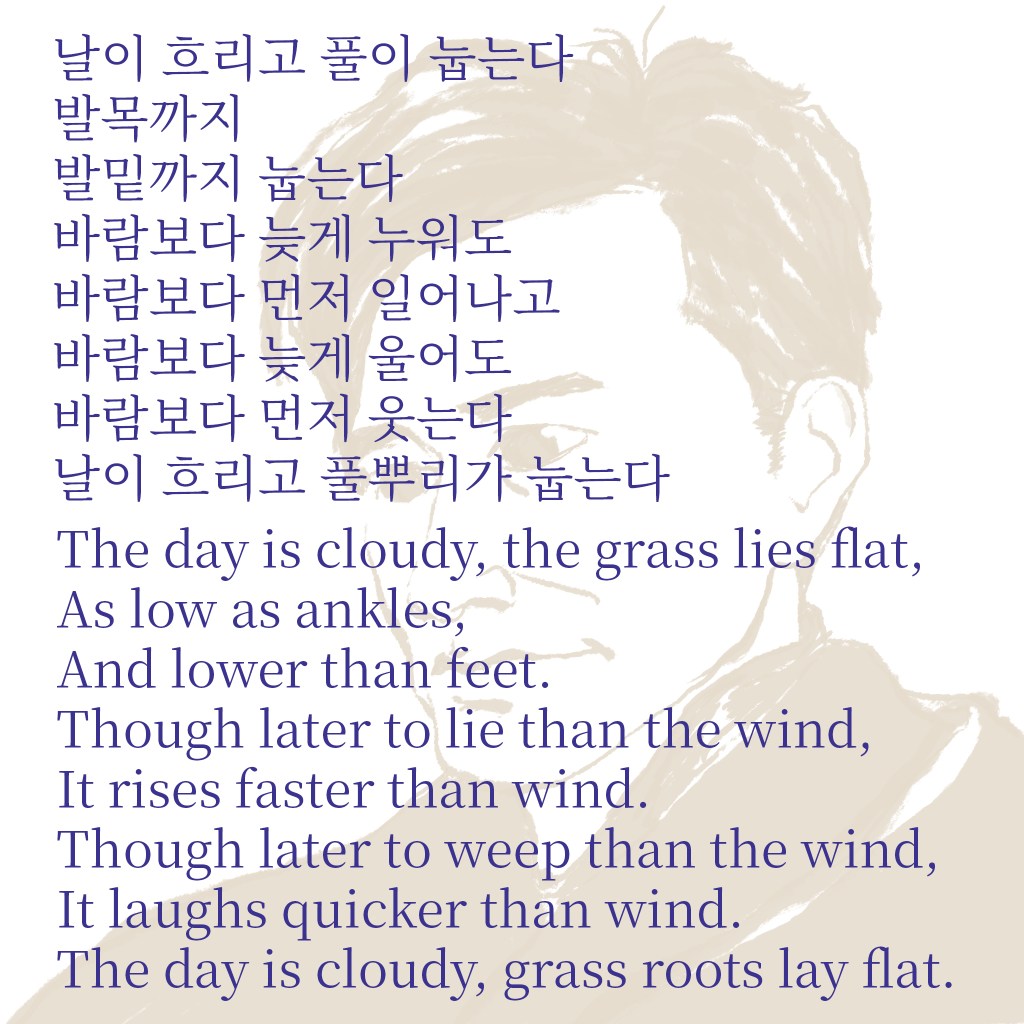
Pool(Grass). It has long symbolized ‘the people’ in Korean society due to his poem. Koreans struggled with numerous hardships, substituting them with grass.
Witness of history
The poet, SooYoung Kim, was born in 1921 during the Japanese colonial period. He experienced the tragedies of his era firsthand, becoming an eyewitness to history. Like other artists of his time, he was gifted in foreign languages, able to read novels in English and Japanese, which gave him an advantage. For a living, he worked as a translator, known for his sincere and liberal mindset compared to others.
Poem of practical life
His words are inseparable from practical life. “Grass,” the poem I’m posting today, is easy to read even if you’re a beginner in learning Korean. Understanding its real meaning requires knowledge of the background, but it also allows people to imagine its scene as described. It’s not just this poem, but all his writings, including reviews, depict various situations, including political ones, alluding to real life. Despite being written almost 60 years ago, his poems are not awkward to read nowadays.
Eye of a Poet
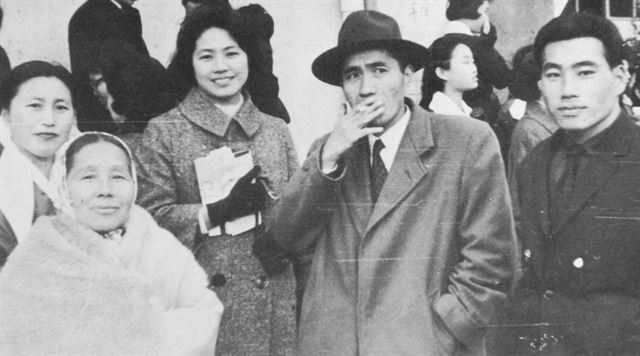
It was said that he had the “eyes of a poet” due to his light in his eyes. He had a history of being drafted into the communist military by North Korea and sent to a Prisoner of War camp in Geoje city after defecting. However, the camp contained individuals with various ideologies. If someone was perceived to be aligned with one side, they risked being found dead in the ocean. Additionally, the dominant ideology changed daily, so he had to maintain a delicate balance to survive. I believe his “eyes of a poet” developed from this challenging situation.
Honest himself
As a witness of the April 19th democratization revolution, his poetry became more realistic and incisive. President SeoungMan Yi’s attempt to extend his term through a rigged election sparked protests in Masan city on March 15th, leading to casualties due to the declaration of martial law. The unrest spread nationwide, prompting President Yi to flee the country. Similar situations persist today. His poetry underwent a transformation since then, reflecting his natural resistance to anything that curtailed people’s freedom. He endeavored to be honest about himself, including addressing his personal sexual issues, which were taboo even in contemporary society. As a result, his poetry received polarized criticism.
Alive as Poem
The poem “Pool (Grass)” is his posthumous work, completed just 20 days before his passing from a head injury sustained in a bus accident. His wife published his final poem. The poet, who cherished individualism and freedom, left behind his poetry at the age of 48. But he won the Order of Cultural Merit in 2001, a prize awarded for cultural influence overseas. His poetry has been translated into 7 languages, impacting not only Korea but also overseas. His legacy shines even brighter after his passing.
Relevance tourist places.
Literary museum of Kim SooYoung


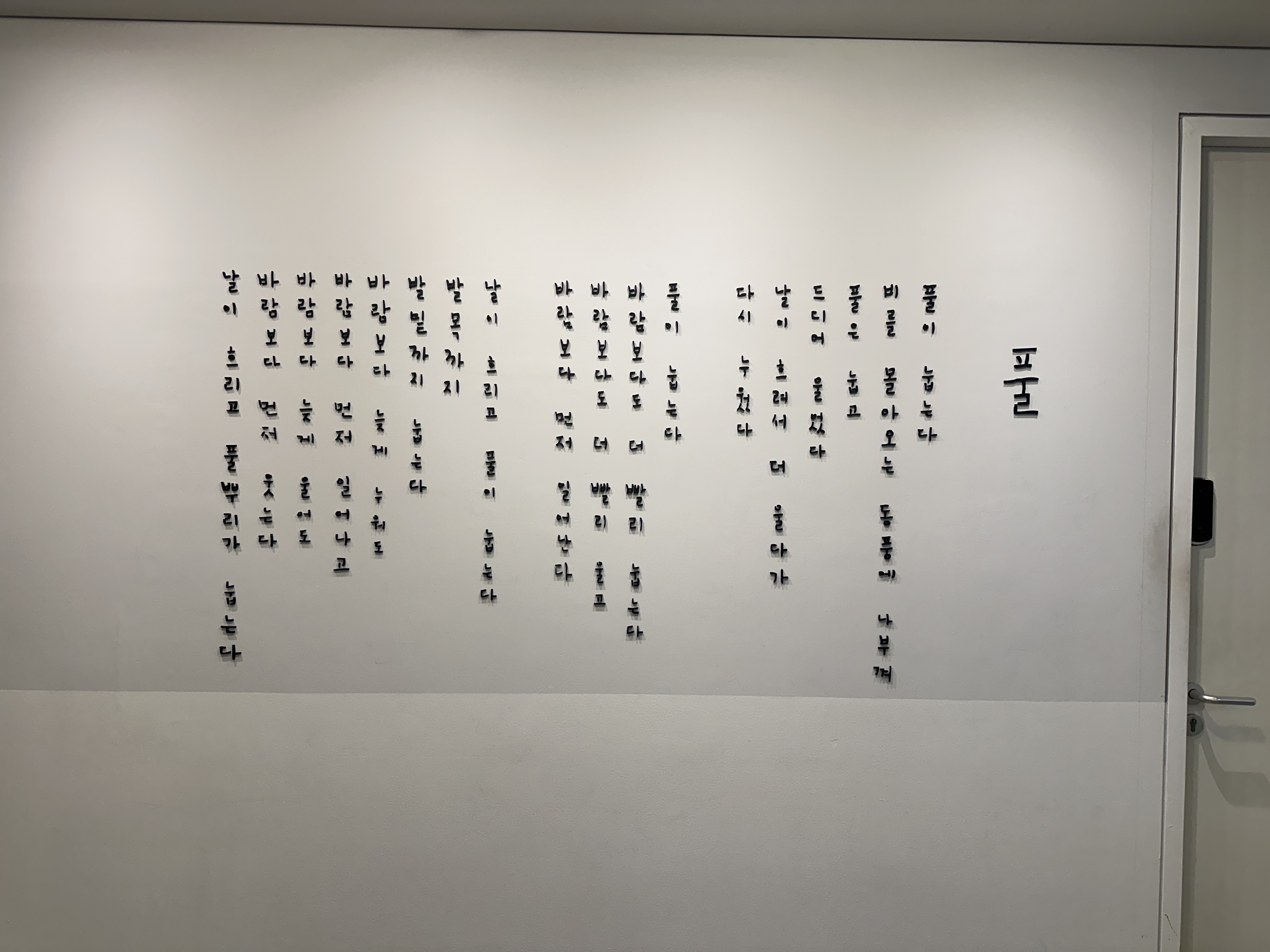

* Recommended for those who can read and understand Korean
This literary museum in Dobong-Gu honors poet SooYoung Kim, featuring his tomb and poem monument. Established in 2013 on his birthday.
Operating hours
09:00 ~ 18:00 (closed on Monday, and 1st January, holiday of lunars new year, Chuseok)
Admission fee
Free
Website
http://kimsuyoung.dobong.go.kr/
* This website does not offer English but is available for use with Google Translate in Chrome.
Address
80, Haedeung-ro 32-gil, Dobong-gu, Seoul
EZsPEDIA © 2024 by YUNMI LEE is licensed under CC BY-NC-ND 4.0
 EZ K-PEDIA
Leave a comment