

Art Today
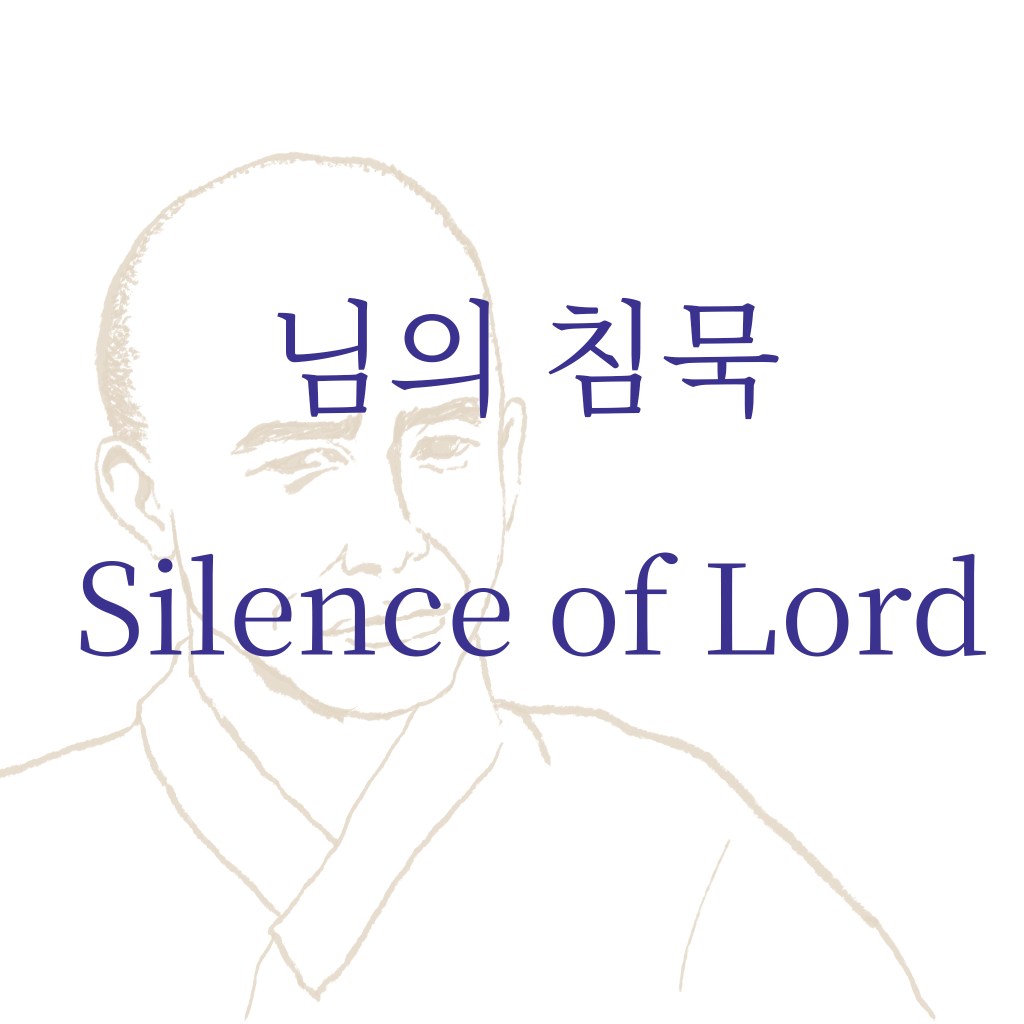



Who is YongWoon Han?
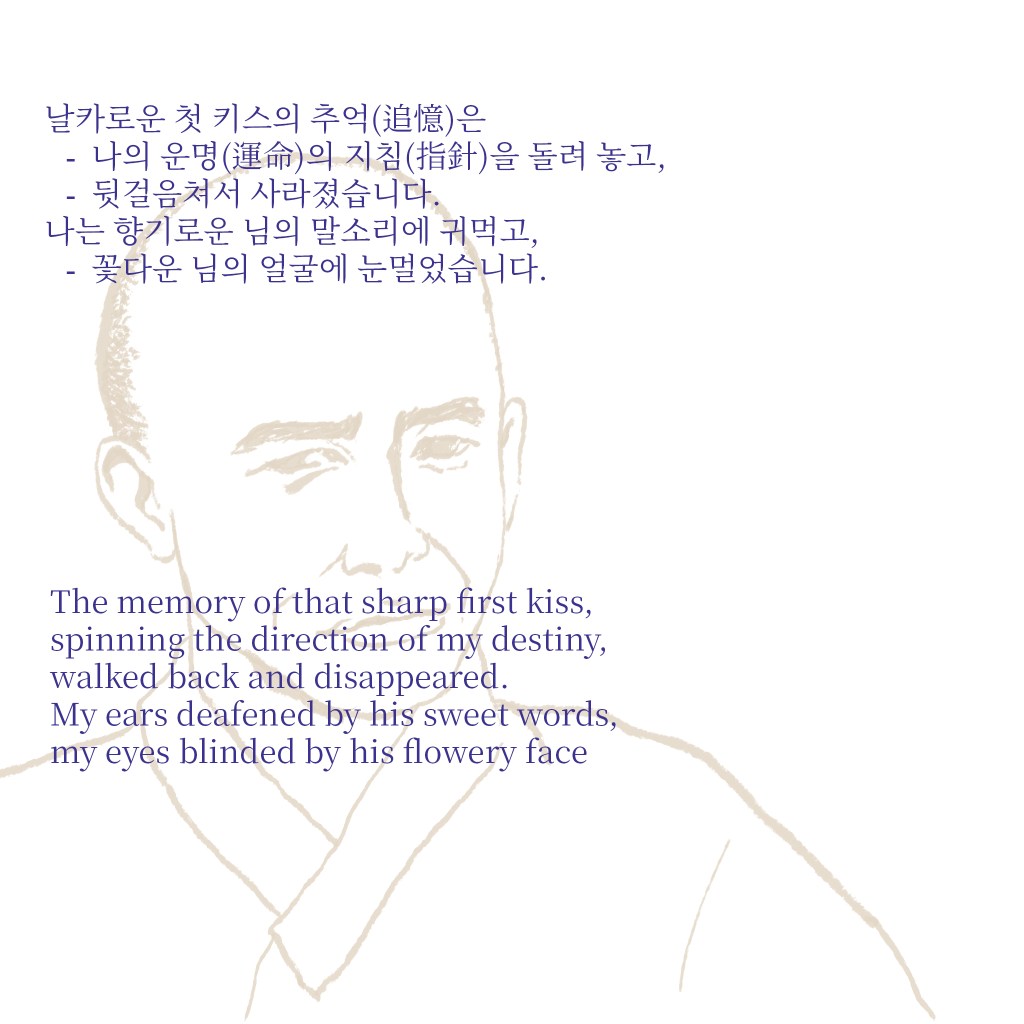
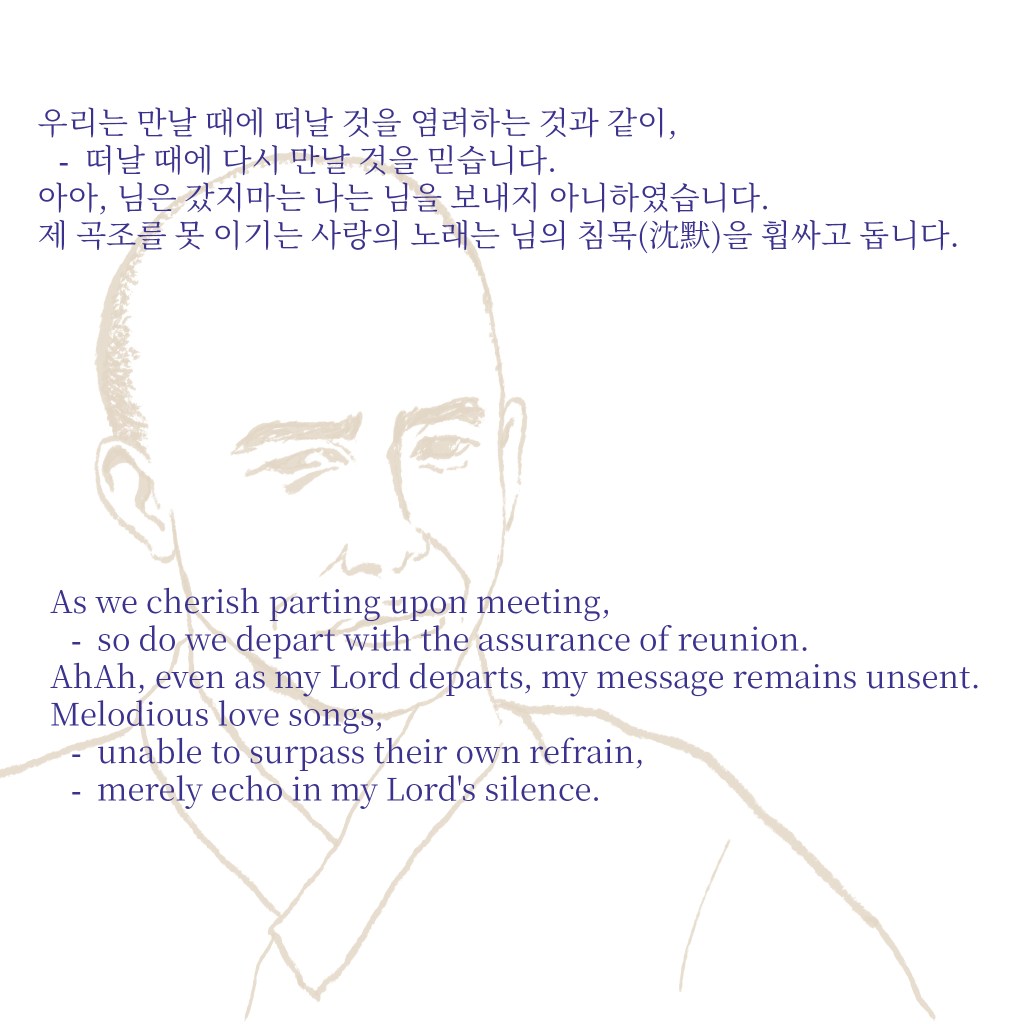
YongWoon Han was a Buddhist monk and anti-Japanese leader during the Japanese colonial period. He was one of the 33 national representatives who published the Declaration of Independence in 1919. Arrested after the declaration, he spent three years in jail. Upon release, he published this poem, becoming a leading figure in Korea’s independence movement.
“Silence of Load” is often referenced in textbooks for its refined language. “Load” is interpreted as God (or Buddha), lover, and nation due to its historical significance.
Relevant tourist attraction
Simujang house

It was YongWoon Han’s final residence. After his release from jail, he moved to SeongBuk-Dong and spent the rest of his life there with his family. He had nothing but a prominent dedication site to build his house. He insisted on facing the building northwards to defy the direction of the Japanese colonial headquarters at Gyeongbok-Gung royal palace. This direction is uncommon in Korean culture, as it exposes houses to excessive moisture and rot due to lack of sunlight. He named it ‘Simujang,’ which means searching for the ox, a practice of cultivating the mind. The house is well-preserved and offers a magnificent view of Seoul.
Address
24 Seongbuk-ro 29-gil, Seongbuk-gu, Seoul
 EZ K-PEDIA
Leave a comment