
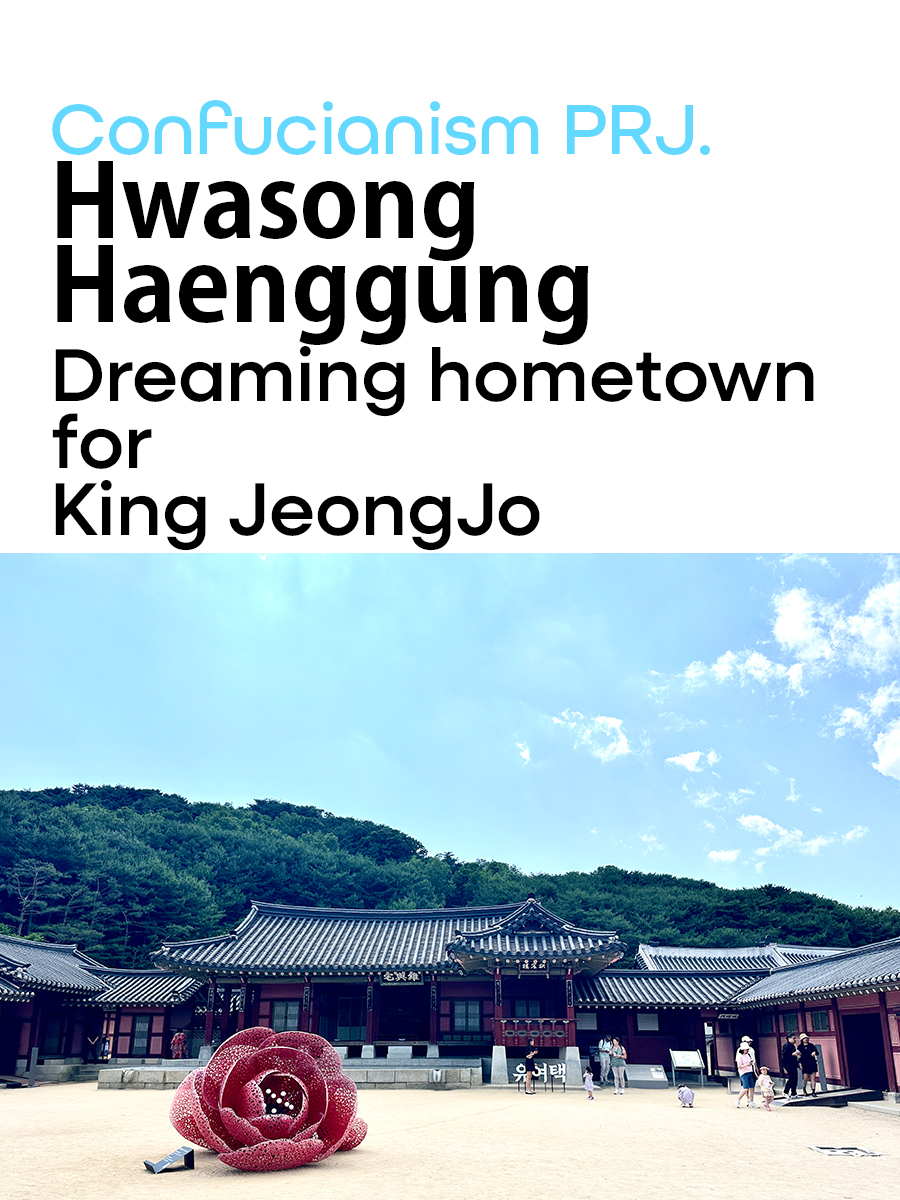
Draeming hometown for King JoengJo
Who’s King Jeongjo
One of two greatest king in Joseon era

SeJong

JeongJo
If you ask any Korean who the most remarkable King of Joseon was, they will definitely mention King Sejong, the inventor of Hangul (the Korean writing system). However, if we divide Joseon into two periods since the Sino-Japanese War (Imjin War – Japanese invasions) in the 17th century, the answers might differ. King Sejong is representative of the early Joseon period because he ruled in the late 14th century during the early Joseon era.
Why he is the Great?
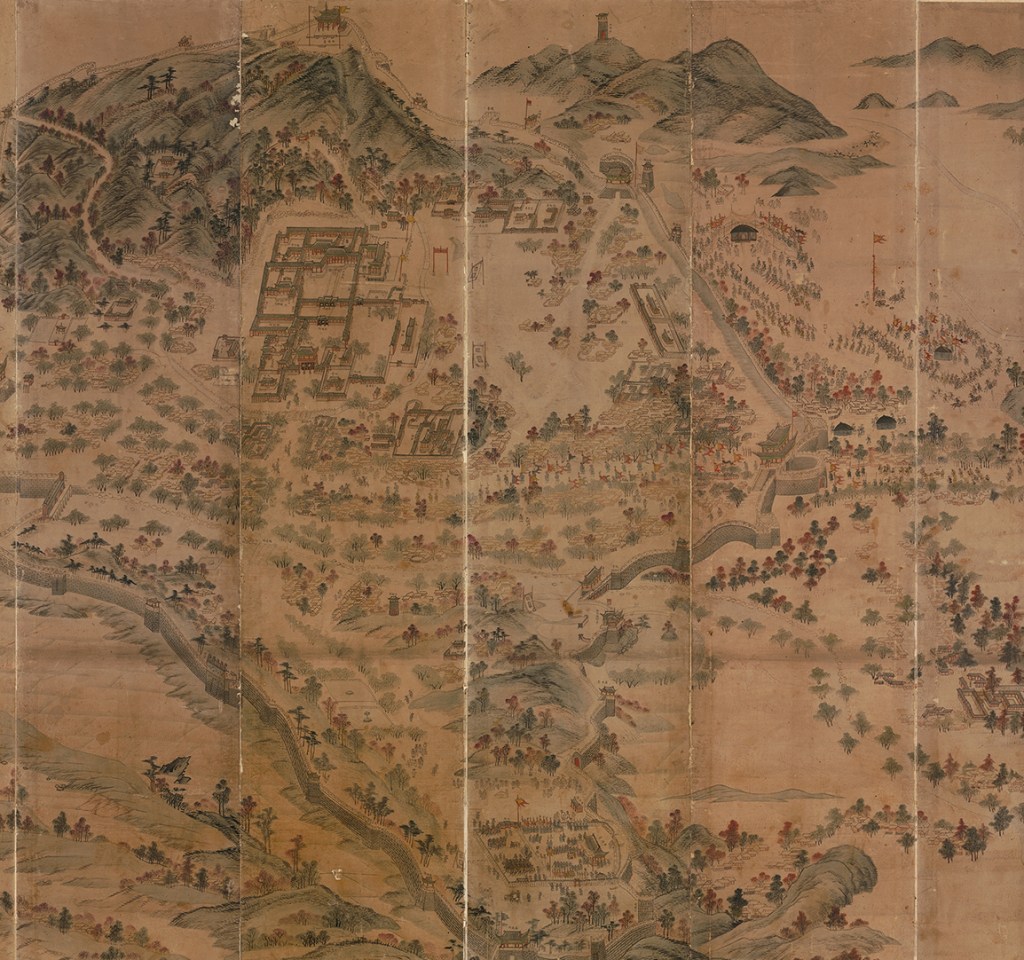
Jeongjo the Great ruled Joseon in the late 18th century as the 22nd monarch (1776-1800). Like King Sejong, Jeongjo is also remembered for his significant achievements, particularly in politics. He founded GyuJangGak, an institution to cultivate and oversee politicians, and enhanced Tangpyeong-chaek (equitable politics) to maintain balance among political factions and strengthen royal authority. Additionally, he built Suwon Hwaseong Fortress outside the capital, which was designated a UNESCO World Heritage site in 1997 including Hwaseong Haenggung.
What’s HwaSeong-HaengGung?
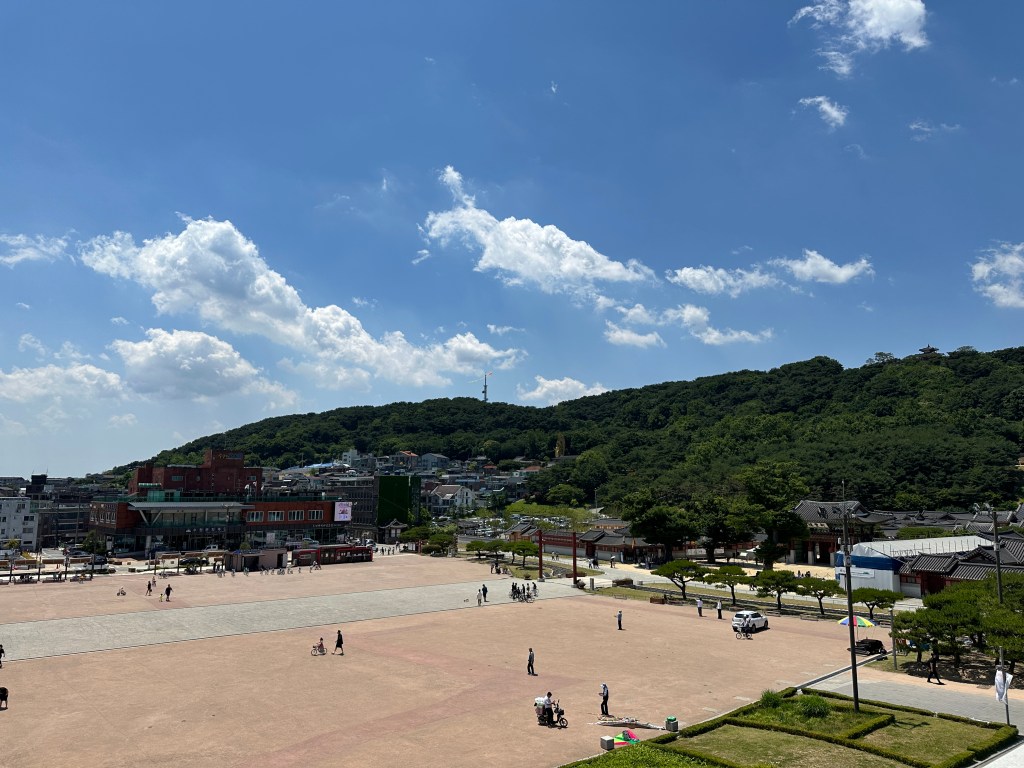
Temporary royal palace for ritual ceremony.
Hwaseong Haenggung is situated within Suwon Hwaseong Fortress as a temporary royal palace. During the Joseon dynasty, five temporary royal palaces were built, most serving as royal shelters in emergencies. However, Hwaseong Haenggung was used for ancestral ritual ceremonies, especially for Crown Prince Sado, the father of King Jeongjo. Unlike other temporary palaces that were typically designed as local government offices, Hwaseong Haenggung was designed similarly to Gyeongbok Royal Palace, giving it a distinctive charm and making it the largest among them.
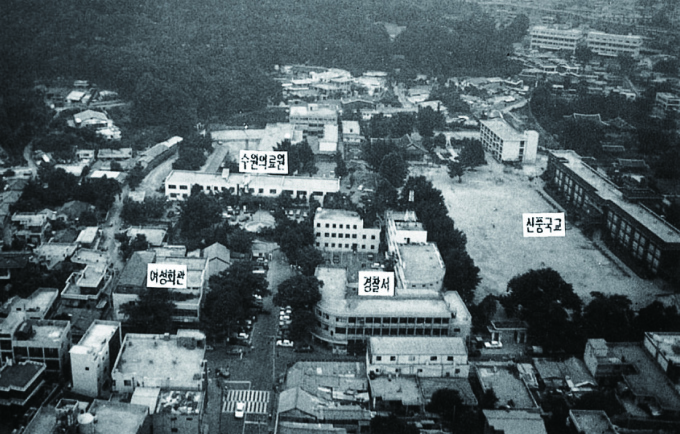
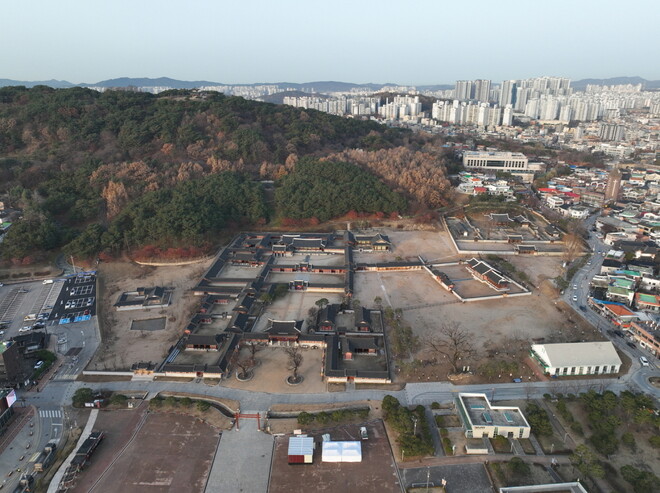
Restarted throughout tragedy.
This temporary palace has been torn down several times throughout Korean history. Parts of it were used as a hospital or a primary school, while others were dismantled by the Japanese emperor during the colonial period and further destroyed during the Korean War. Its restoration was recently completed on April 24, 2024. Although most of its buildings were recently reconstructed, the restoration followed the original design recorded in the “Hwaseong Seongyeok Uigwe,” which documents the process of building the Hwaseong Fortress.
In this article, I introduce the main points about the Hwaseon temporary palace.
3 gates to get Main hall
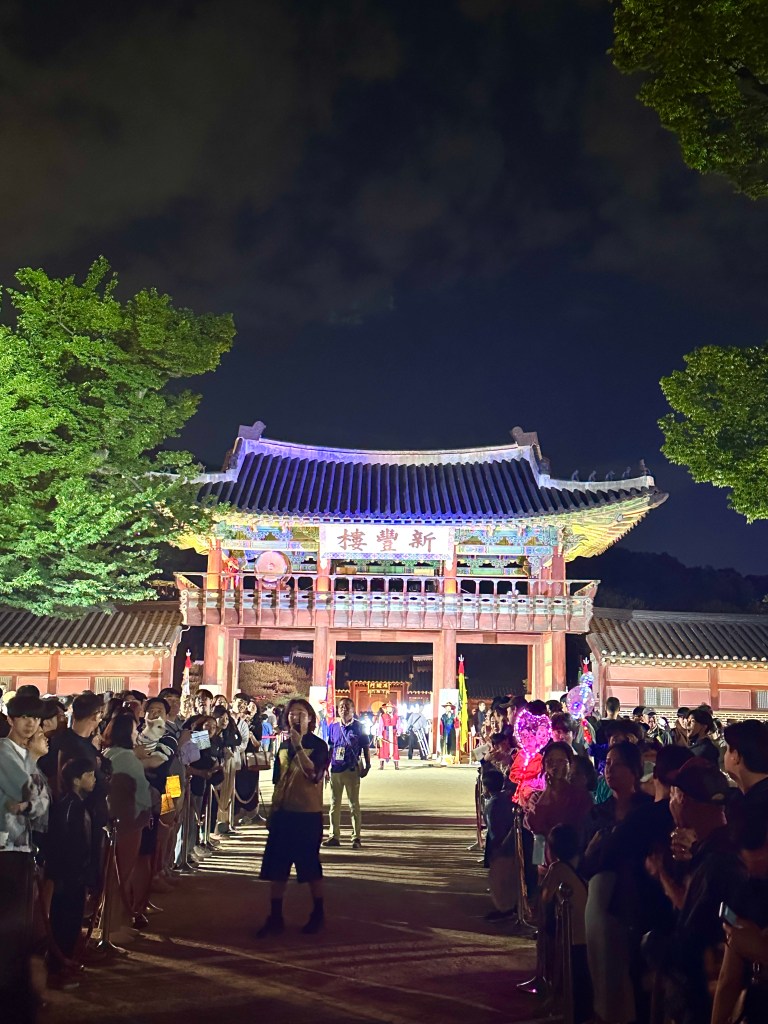
Sinpung-Mun, the gate of New Hometown.
To reach the main hall, visitors must pass through three gates, similar to Gyeongbok-gung Palace. The first gate, Sinpungmun, was built in 1790 as the main entrance. Named by King Jeongjo, it means “New Hometown.” While not as grand as Gwanghwamun at Gyeongbokgung, it serves its purpose well, with guards positioned on the second floor to observe.
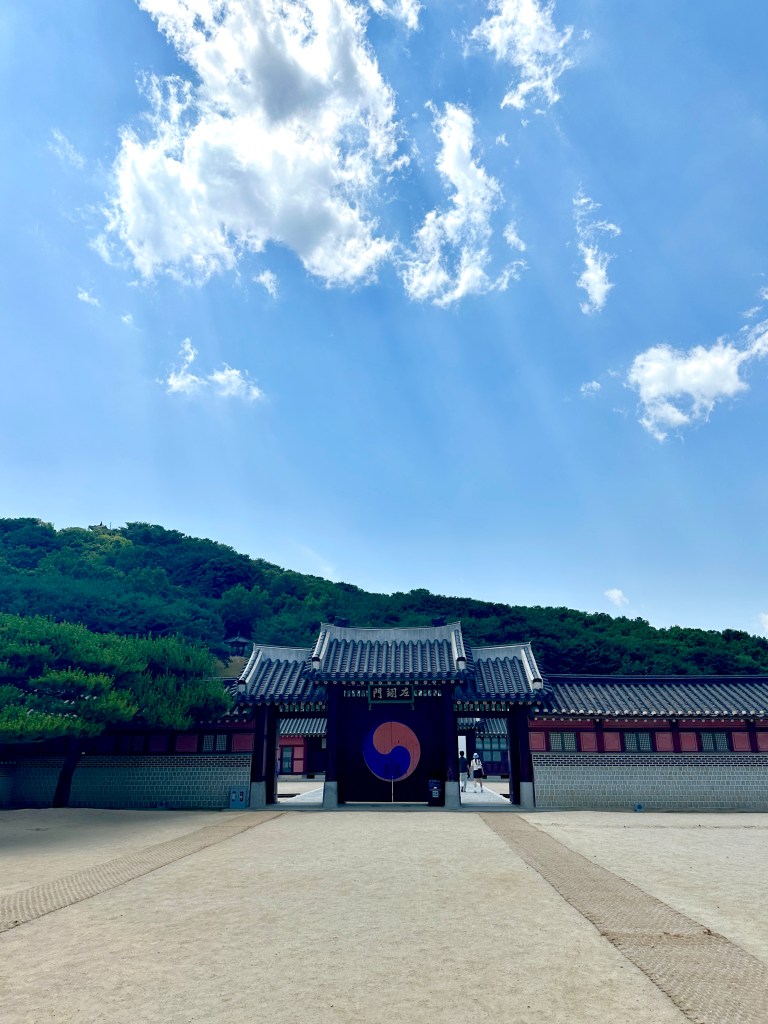
Jwaik-Mun, the gate Supporting on the Sides
The second gate, Jwaikmun, meaning “Supporting on the Sides,” is centrally located. Although its middle door is now closed, the gates are connected by a distinctive pavement. This pavement consists of three paths, each designated for different individuals: the right path for civil servants, the left for military officers, and the center for the king.`
Jungyang-Mun, “Enter the Spring.”
The innermost gate, Jungyangmun, means “Enter the Spring.” King Jeongjo, who regularly visited the palace near the lunar New Year, named the gate to mark the beginning of spring. Each gate, including Jungyangmun, has an attached Heang-Rang, a room for servants. However, Jungyangmun holds special significance due to its location right in front of the main hall. This strategic position demands heightened security, with additional guards stationed to control access and ensure the safety of visitors.
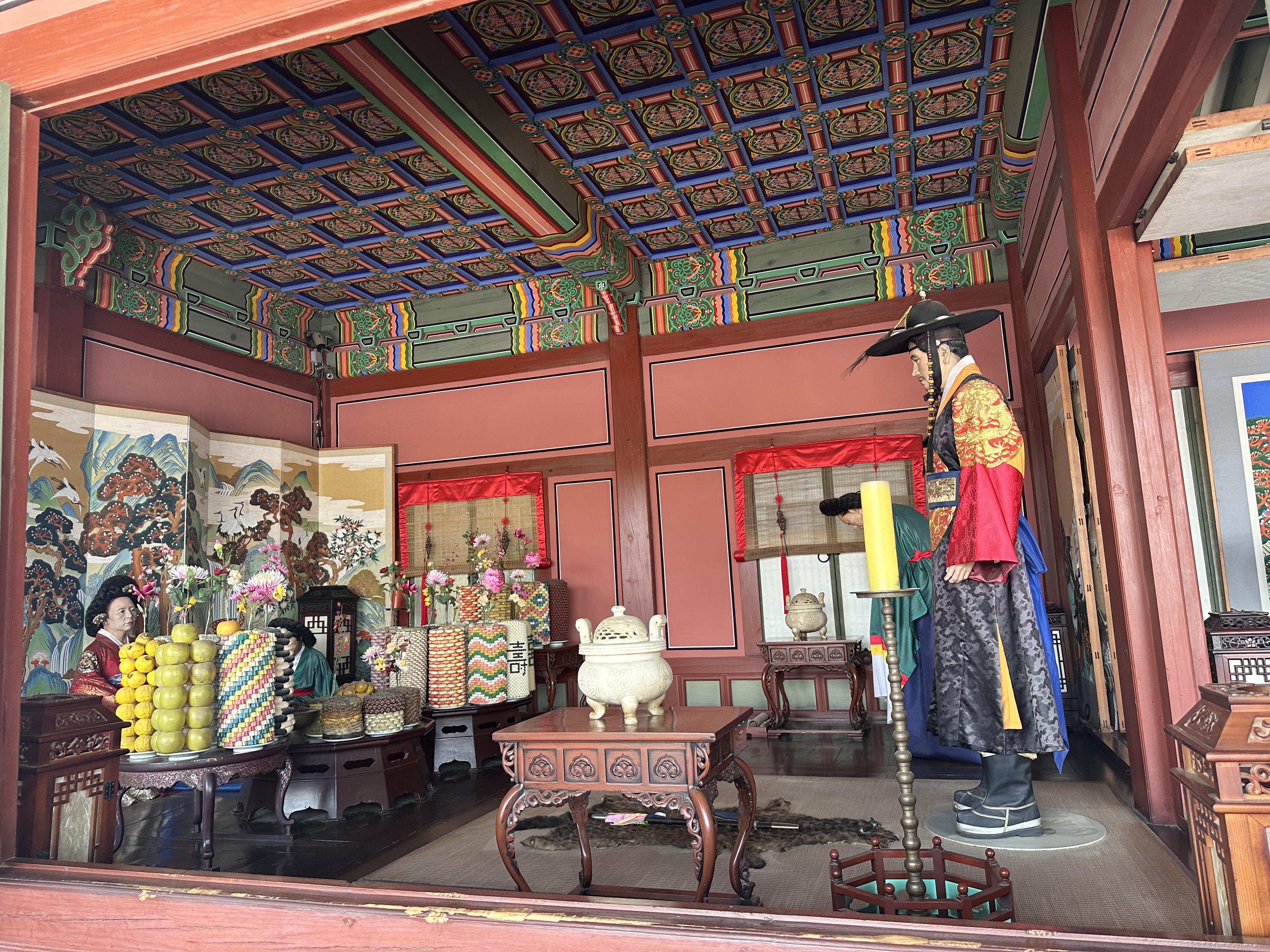
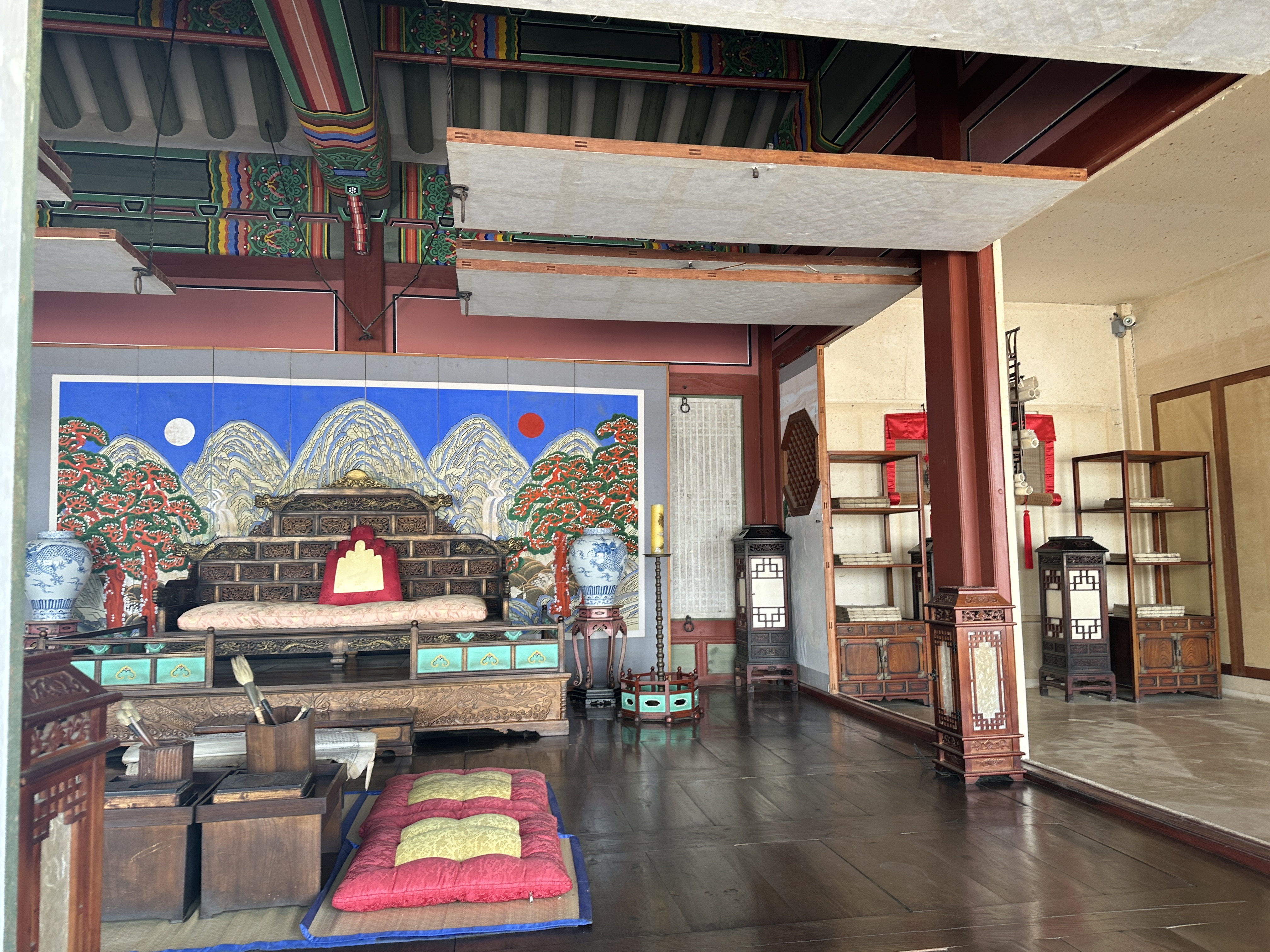

BongSu-Dang become a main hall for Mother’s birthday
Bongsu-dang serves as the main hall of Hwaseong Haenggung. Initially built in 1789 as the local governor’s office and named Jangnam-heon, it stands on a three-step stone platform typically reserved for royal structures. In 1795, King Jeongjo renamed it Bongsu-dang, meaning “The Hall of Praying for Longevity,” to celebrate his mother’s 61st birthday (HoeGap). To honor her, he held a grand banquet and staged performances for a week, traveling with 3,000 servants, officials, and guards from Hanyang. The event involved 6,000 people, reflecting its grandeur and significance.
Unfortunately, the BongSu-Dang hall was repurposed as the main building of JahyeUiWon, a Western-style hospital established by the Japanese. Later, it became a site for independent movement protests by Giseang (geishas) in 1919. However, the HaengGung palace was eventually demolished to make way for the construction of the modern Jahye-Won hospital in 1923. The hospital operated until 1992 before relocating to another location, allowing for the restoration of the palace to its original state in 1997.
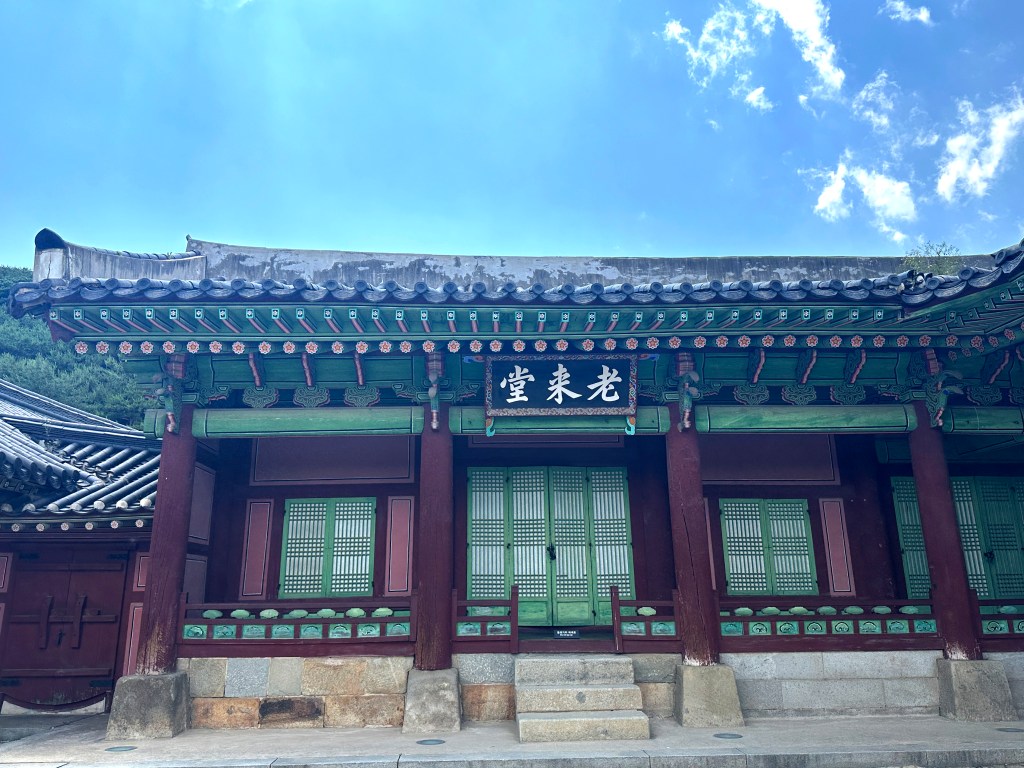
NoRea-Dang
NoRea-Dang was constructed in 1794 as an extension to the temporary palace for King JeongJo’s mother’s birthday celebration. JeongJo envisioned passing his throne to his son at the age of 55 and retiring to this building. Despite being considered one of the powerful monarchs during the Joseon era, JeongJo faced early challenges due to his background. His father, Crown Prince Sado, died when he was 11 years old, facing a dishonorable death at the hands of his own father, King YoungJo. JeongJo, perceived as the son of a traitor after Sado’s death, lived under constant scrutiny until he ascended to the throne.

His endurance and determination shone through as he proudly declared, “I am the son of Sado,” despite the challenges and stigma surrounding his father’s legacy. Then, JeongJo’s determination to honor his father’s memory led him to relocate Sado’s tomb to HwaSeong. JeongJo, burdened by deep tragedy and yearning for retirement, dreamt of passing his throne to his successor at the age of 55 and retiring peacefully. He named the building NoRea-Dang, meaning ‘The hall of the old man will return,’ with hopes of realizing this dream.

NakNam-Heon
NakNam-Heon was constructed for official events. And it derives its name from a Chinese story where the founder of the Han Empire held a banquet in Namgung (South palace) of Nakyang (Luoyang city) to express gratitude to his subordinates who helped him ascend to the throne. Essentially, it was a place to honor his people. While most national tests were conducted in Hanyang, JeongJo held national tests for Suwon residents almost once a year, a notable deviation from the norm. During Hyegyeonggung-Hong’s banquet days, he passed 61 students, symbolizing his mother’s age, as a celebration. Additionally, he hosted parties for the elderly, honoring them as he would his own mother.
This building served as the Suwon county office during the Japanese colonial period and later housed the teachers’ room for Shinpoon Elementary School. Its fortune lies in its role as a county office rather than a hospital, allowing it to retain its original form.
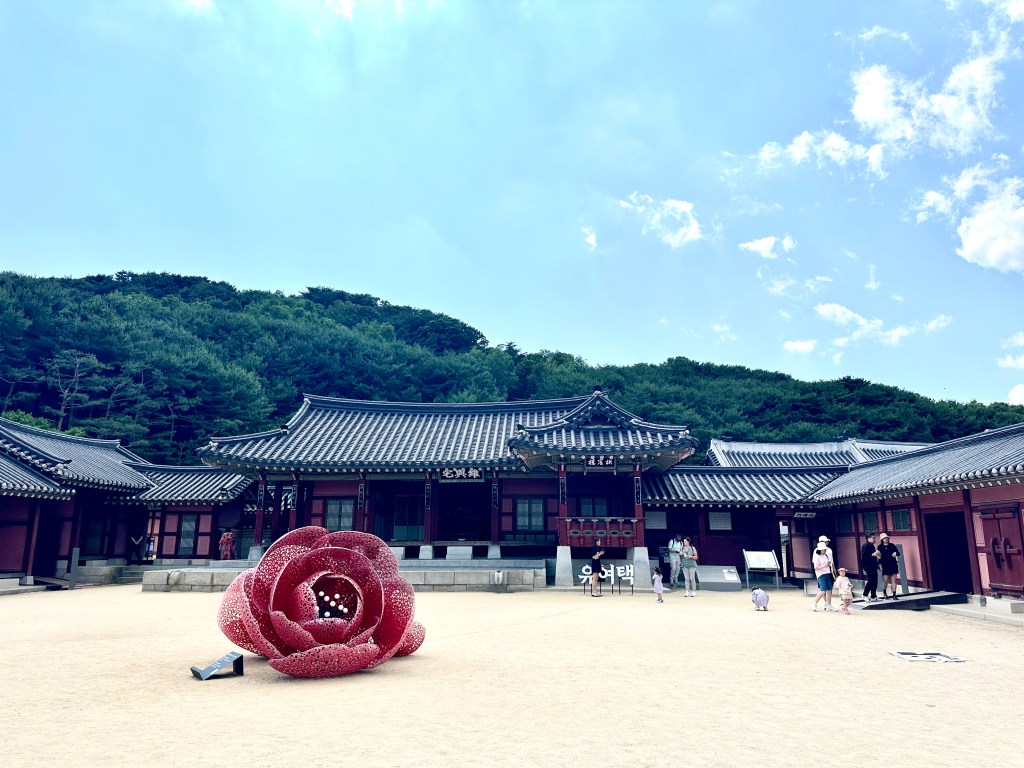
YuYeo-Taek
YuYeo-Taek, originally a residential building for the Magistrate of Suwon, transformed into a royal audience hall during King JeongJo’s visits to the palace. Here, the king met with his subjects, presided over state examinations, and personally met candidates. The name “YuYeo-Taek” originates from the “Classic of Poetry: Sigyeong,” signifying “the resident of god given.” After the king’s passing, his portrait was temporarily enshrined here until the completion of HwaRyeong-Jeon.
Information
Official Website
https://www.swcf.or.kr/english
Address
825 Jeongjo-ro, Paldal-gu, Suwon-si, Gyeonggi-do
Operation Hours
9:00 ~ 18:00 weekday
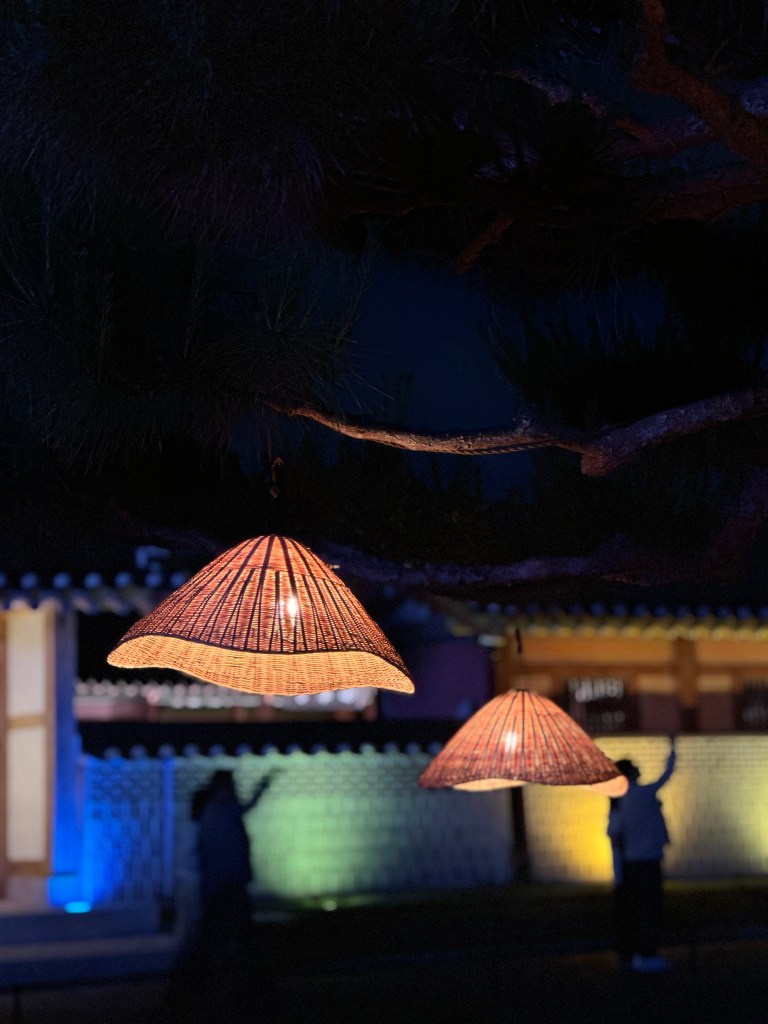
9:00~ 21:30 every weekend (Friday to Sunday) from May 3, 2024, to October 27, 2024.
Admission fee (Won)
*The ticket can be used multiple times in a day
Adult: 1,500
Teenager and Soldiers: 1,000
Children: 700
Free:
*on Cultural day(Every last Wednesday): Night opening is exception
*Tourist who wearing HanBok(traditional dress)
Tourist guide
A tourist guide must be reserved in advance on the site below.
https://www.swcf.or.kr/english/?p=11
Relevant tourist place
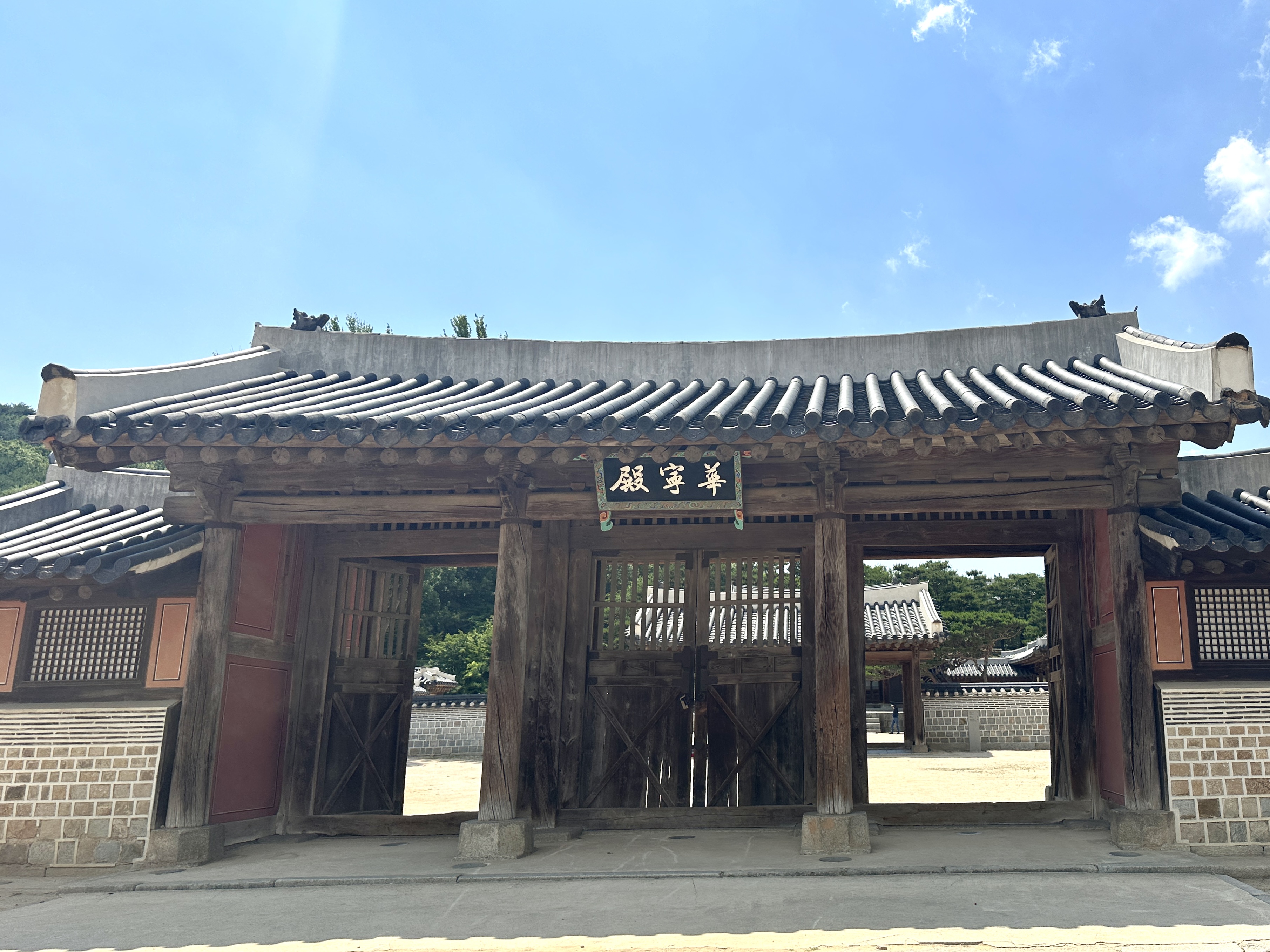
HwaRyeong-Jeon
HwaRyeong-Jeon serves as the royal shrine complex where JeongJo’s portrait is enshrined. In Joseon tradition, families conducted ritual ceremonies for their family tree up to the 4th generation. While commoners performed these rites in their homes, kings had shrines built across the nation for their portraits. Due to JeongJo’s deep connection with HwaSeong-HaengGung, his shrine was erected adjacent to the temporary palace following his passing.
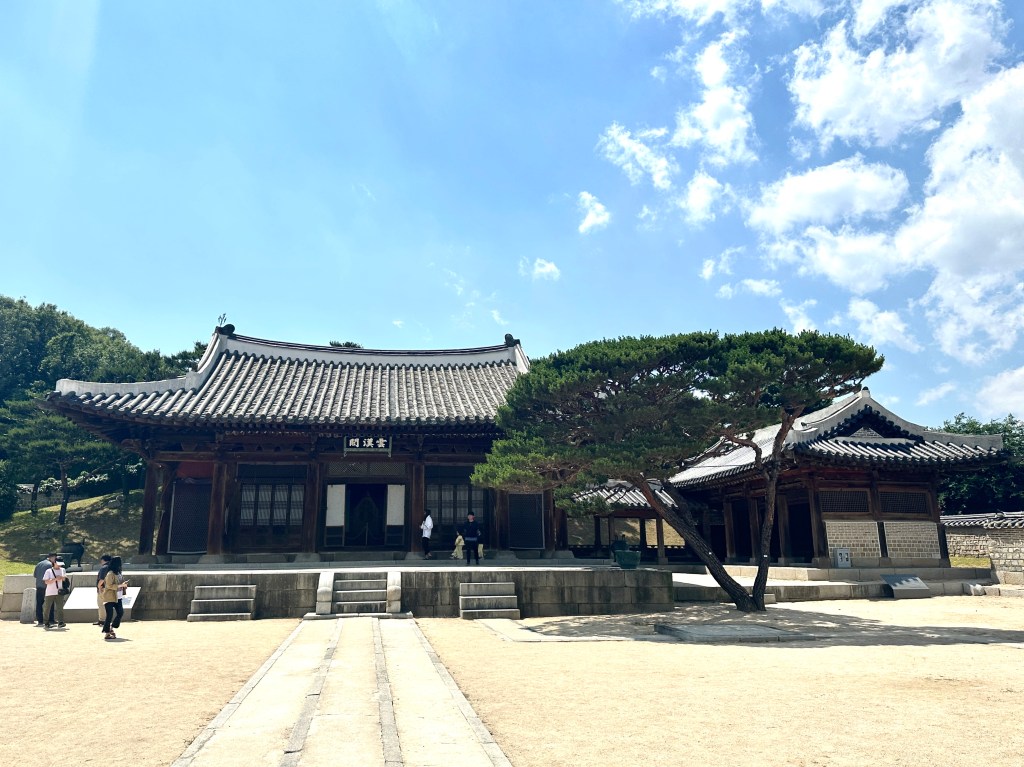
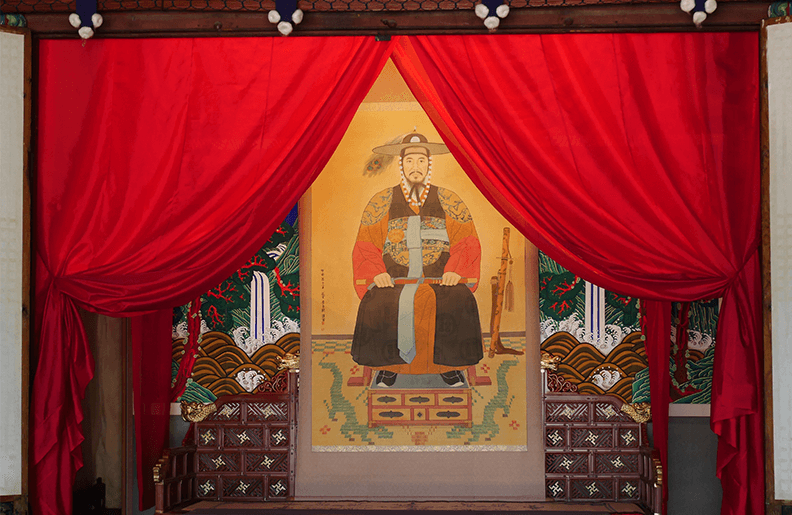
The HwaRyeong-Jeon shrine complex has endured throughout Korean history. Constructed by skilled artisans who also worked on the royal palace in Hanyang, its name translates to “Hall for Returning to the Parents for Greeting.” The main hall, OonHan-Gak, houses JeongJo’s portrait, distinguished by his attire. Typically, kings’ portraits depict them in ceremonial robes with ranking badges, but JeongJo’s shows him in military uniform. He wore this uniform when visiting the temporary royal palace, as it brought comfort to his father, reflecting his enduring love and respect for him.
The main building is connected to an annex by a roofed corridor. The annex serves as storage for the portrait and facilities in case of emergencies. It includes a ritual house for preparing ceremonies and a storehouse for incense, food, and vessels used in rituals.
* This shrine is situated in the Hwaseong Haenggung site. No extra payment is needed.

Suwon Hwaseong
Suwon Hwaseong (fortress wall) is known as a UNESCO World Heritage site. Although it seems separate from Hwaseong Haenggung, the palace is actually nested within Suwon Hwaseong. Tourists can reach part of its wall about 5 minutes from the Hwaseong Haenggung entrance. The fortress wall is situated on a mountain, offering a great city view. Hwaseong is enclosed by 5.7 km of walls and has 9 information centers or entrances, each with its own viewpoint. However, tickets for the Hwaseong Eocha (sightseeing vehicle) can only be purchased at the Yeonmudae (Eastern Command Post) information center.
Address of the Tourist Information Center mentioned above.
Paldalmun gate tourist information center
148-8 Namchang-dong Paldal-gu, Suwon-si Gyeonggi-do
Yeonbudae information center
8 Paldal-gu, Suwon-si Gyeonggi-do
Tourist guide
A tourist guide must be reserved in advance on the site below.
https://www.swcf.or.kr/english/?p=11

DANO(CAFE)
Dano is a cafe located just 2 minutes from the main entrance of Hwaseong Haenggung. This cafe specializes in traditional Korean tea. Notably, they sell ‘Gungjung Jeho-Tang,’ a traditional summer herbal drink. Although it is typically served cold, tourists who prefer a hot drink can order alternative herbal teas like Ssanghwa-cha or dried flower teas. They also offer a selection of small Korean snacks, which are worth trying.


Opening hours (Closed on Monday)
11:00 ~ 21:30 (Tuesday ~ Thursday)
11:00 ~ 22:00 (Friday)
10:00 ~ 22:00 (Saturday ~ Sunday)
Price range(won)
Coffee : 3,000~
Leaves teas: 5,000 ~
Traditional herbal teas: 6.000~
Address
28 Haenggung-ro, Namchang-dong, Paldal-gu, Suwon-si, Gyeonggi-do
TongDak-Geori(fried chicken street)
Suwon is known for its unique fried chicken, which has been fried in a gamasot (cauldron) since the 1970s. Although it seemed to be fading over time, it experienced a revival after the release of the movie Gukhanjikeop (Extreme Job). Unlike the various fried chicken options available these days, most restaurants here offer a simple menu, such as plain fried chicken, yangnyeom (sweet chili sauce) chicken, and Suwon wanggalbi (soybean-based rib sauce) chicken.
Prominent restaurant
Jinmi Tongdak
Opening hours
11:00~23:00 (closed on Monday)
Price range(won)
19,000~20,000
Address
21, Jeongjo-ro 800beon-gil, Paldal-gu, Suwon-si, Gyeonggi-do
Yongseong Tongdak
Opening hours
11:00~23:00 (closed on Tuesday)
Price range(won)
19,000~20,000
Address
15, Jeongjo-ro 800beon-gil, Paldal-gu, Suwon-si, Gyeonggi-do
Nammun Tongdak
Opening hours
12:00~22:00 (everyday)
Price range(won)
17,000~22,000
Address
16, Jeongjo-ro 800beon-gil, Paldal-gu, Suwon-si, Gyeonggi-do
* Suwon wanggalbi Tongdak was origin from this restaurant.
Creative commons link
EZsPEDIA © 2024 by YUNMI LEE is licensed under CC BY-NC-ND 4.0
 EZ K-PEDIA
Leave a comment