

Experience Korea
Another Gateway to Seoul—from North Korea

English-speaking tourists often show deep interest in the Korean War. Iconic destinations like the DMZ, the 3rd Infiltration Tunnel, and the Joint Security Area (JSA) are essential stops, along with the War Memorial of Korea, which honors patriots and veterans by chronicling the peninsula’s turbulent history. While these sites help us understand the war’s devastation, they don’t tell us how modern Korea is choosing peace. That’s why I’d like to introduce a lesser-known place—where a former military defense structure has been transformed into a public space for peace and community life.
Dobongsan: Once a Natural Military Barrier

Dobong-gu is best known for Dobongsan Mountain, which forms part of Bukhansan National Park. This park spans three cities and five districts in the Seoul area. Despite its steep and challenging trails, Dobongsan is loved by both local and international hikers for its breathtaking scenery.
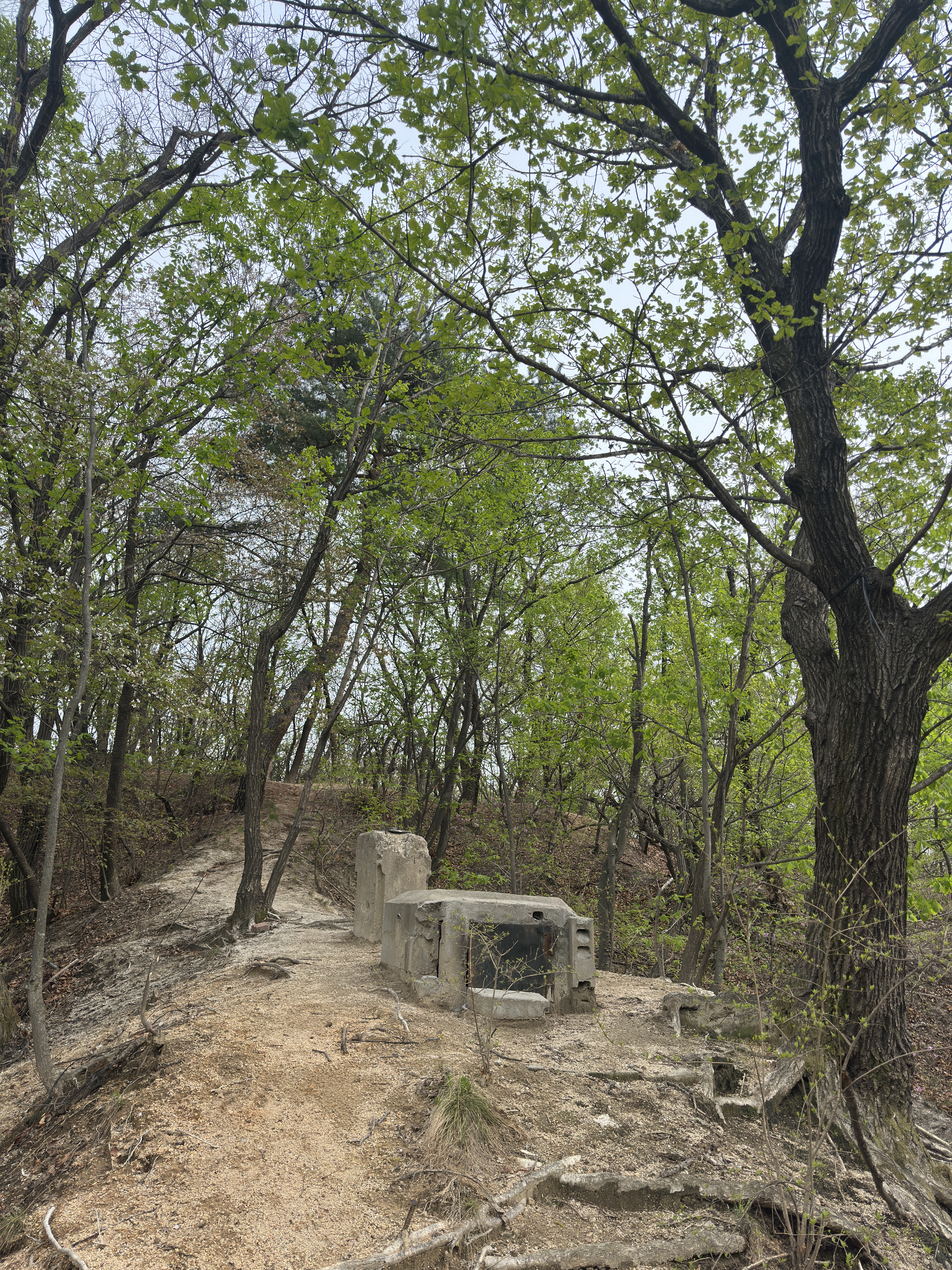
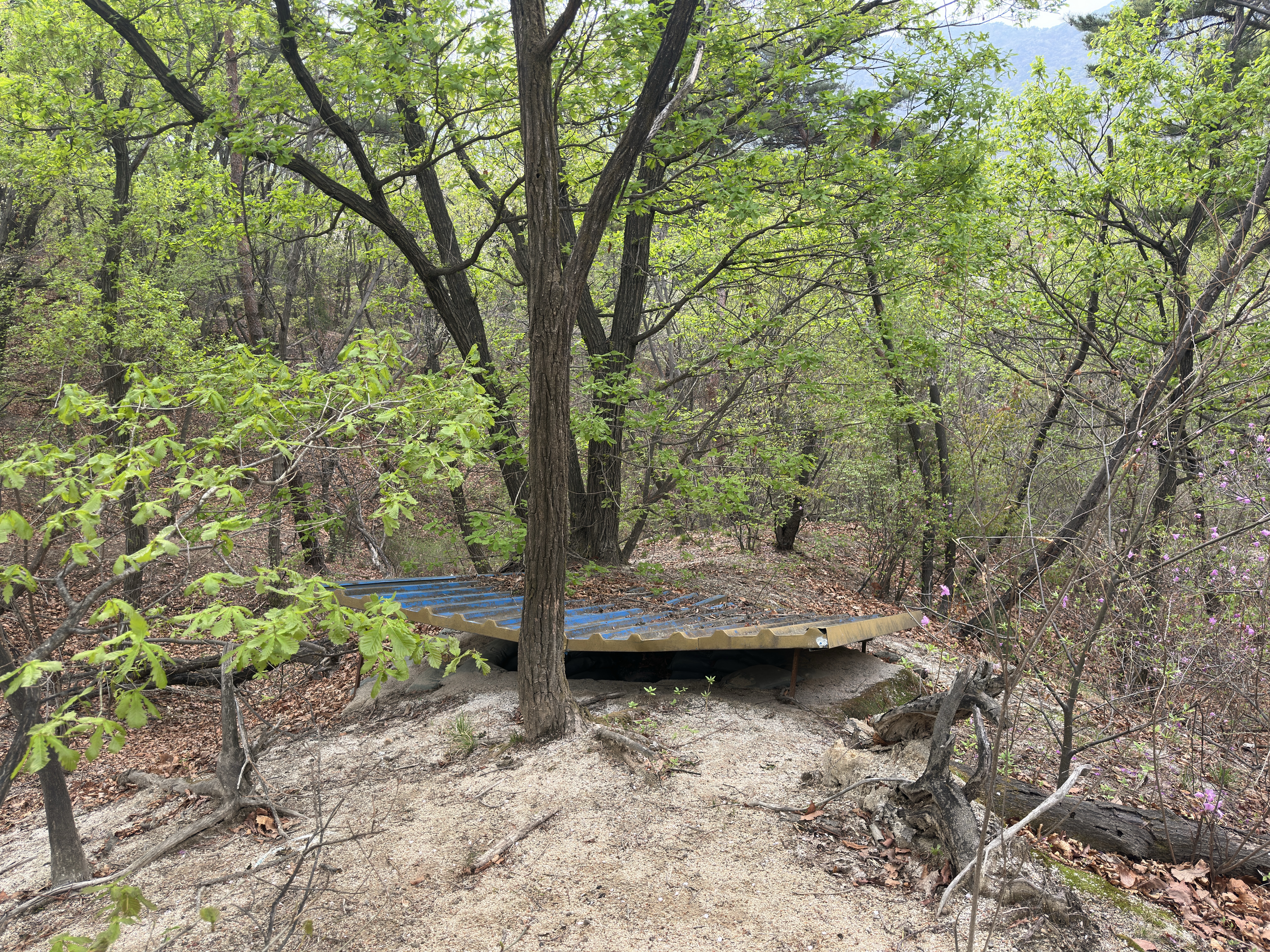

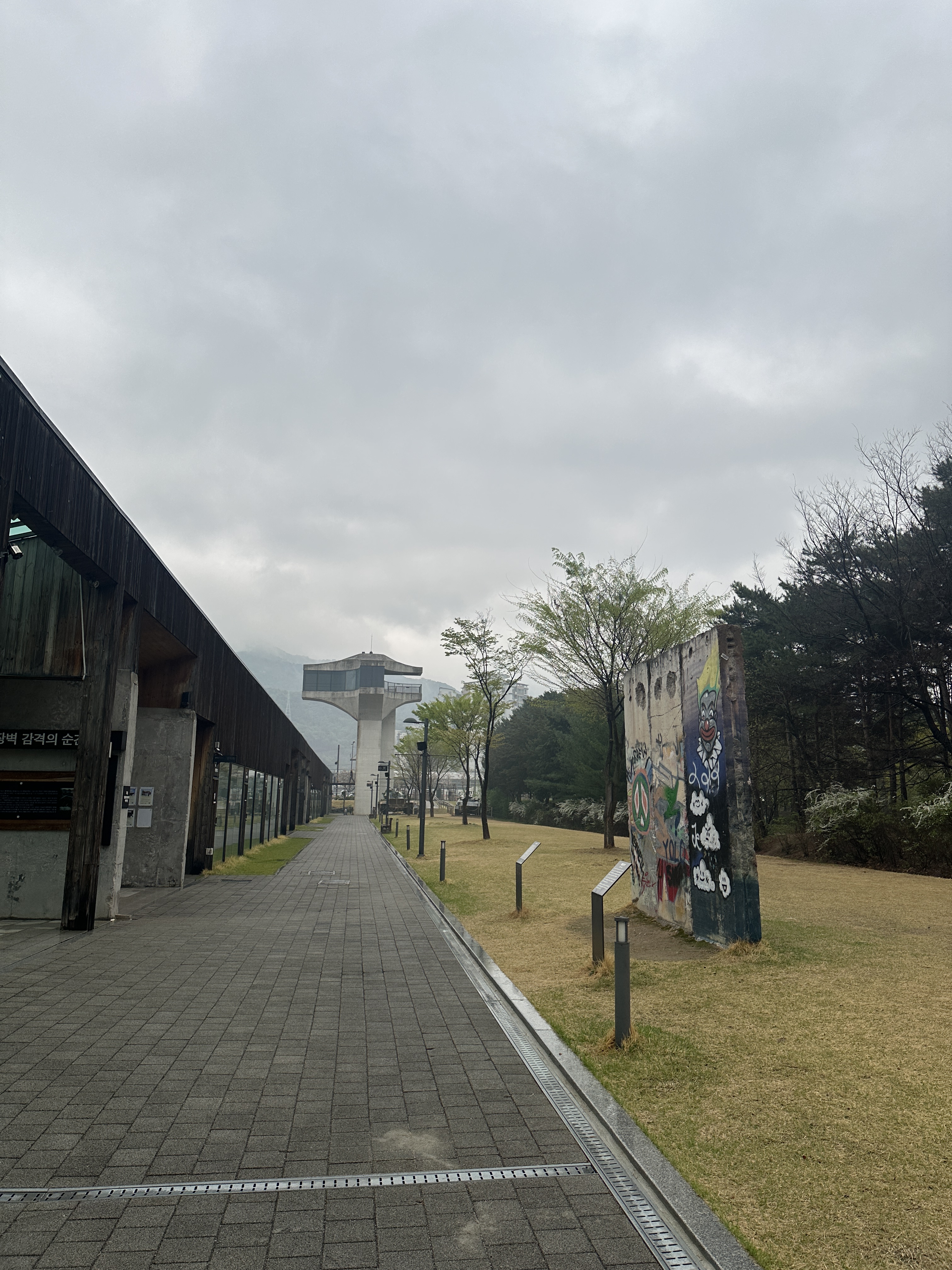
Historically, this mountain also had military significance. Located at Seoul’s northeastern border near Uijeongbu, its rugged ridgelines helped slow potential invasions. In fact, the U.S. military once operated bases in the area until their withdrawal to Pyeongtaek and other locations after 2004.
Defense Facilities Disguised as Apartment Buildings
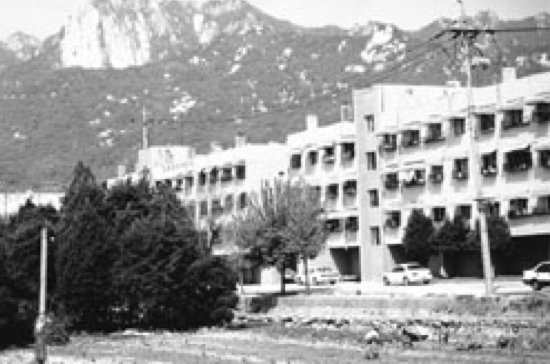
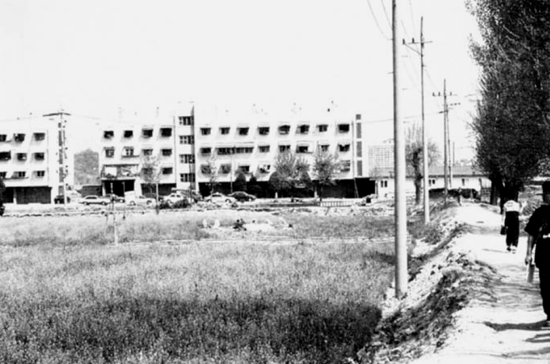
While most of South Korea’s heavy military defenses were concentrated along the northwestern Han River, the northeast also needed protection. This was especially true given North Korea’s repeated tunnel-based infiltration attempts, including a near-miss behind the Blue House in the 1960s. Alarmed, the then-president ordered new defensive structures in Seoul’s northern outskirts.

One such structure was cleverly disguised as a large public apartment complex—over 200 meters wide and 40 meters deep. On the ground floor were large reinforced rooms for tanks and equipment. These buildings, like the Yujin Arcade in Seodaemun-gu and the current Peace Culture Bunker in Dobong-gu, were designed to blend into civilian life.
The Transformation of the Peace Culture Bunker.

Following the relocation of U.S. forces and the chemical unit in Dobong-gu, and as aging infrastructure became unsafe for residential use, the Seoul government lifted development restrictions in the area. This opened debate on what to do with these once-secretive structures.
While some sites became parking lots or parks, the Dobong-gu bunker was preserved due to its symbolic significance. In 2016, it was officially reborn as the Peace Culture Bunker..
What to See at the Peace Culture Bunker
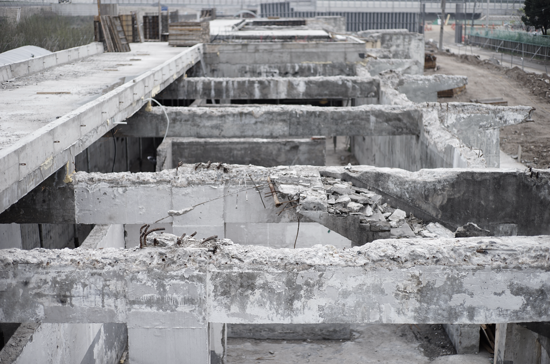


The site is made up of five interconnected buildings. The old apartment structures were demolished for safety, but the massive underground bunker remains. Renovated and repurposed, most of the buildings now serve as creative studios and spaces for local artists. During picnic season, weekend flea markets bring the community together.
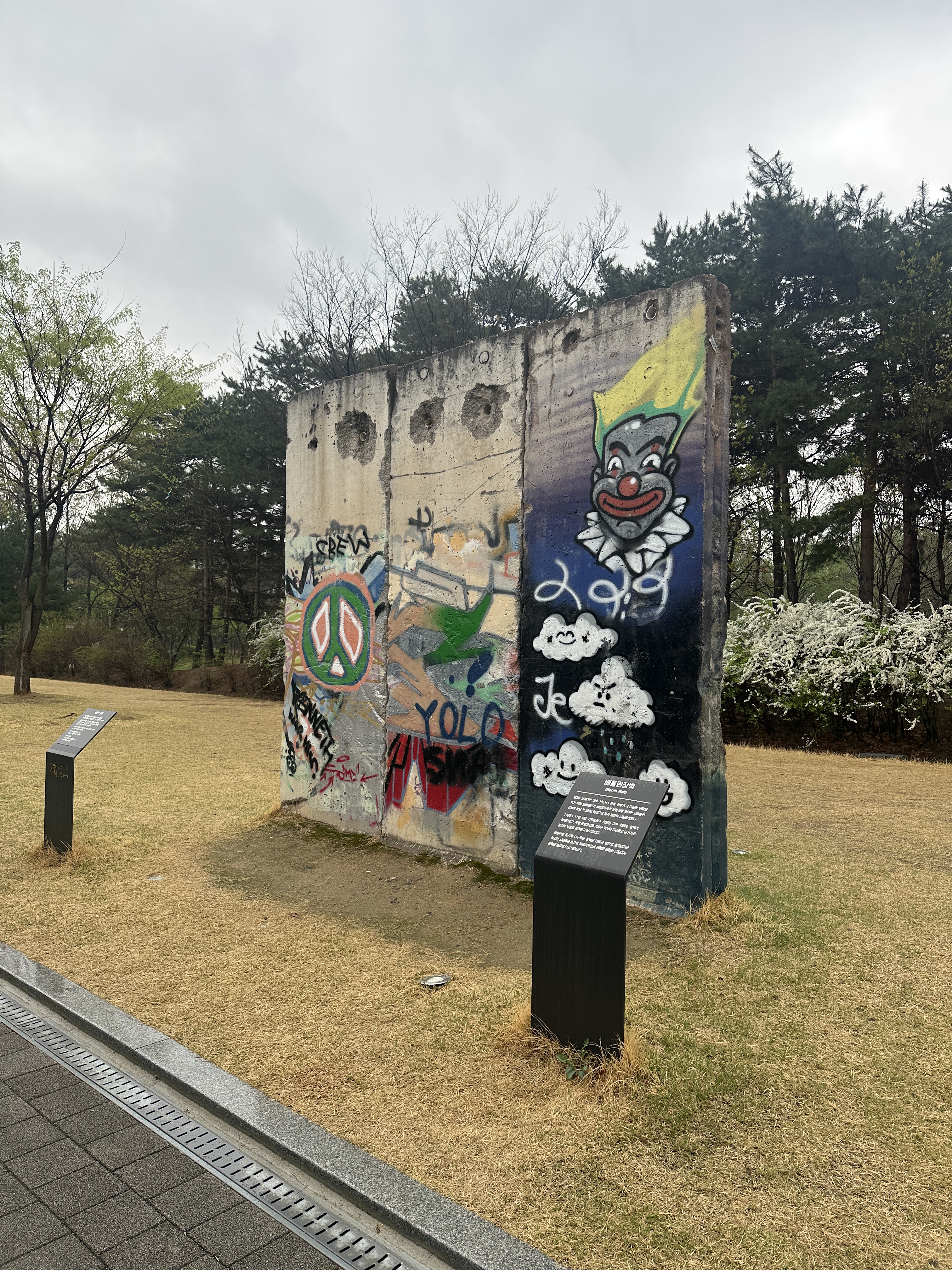

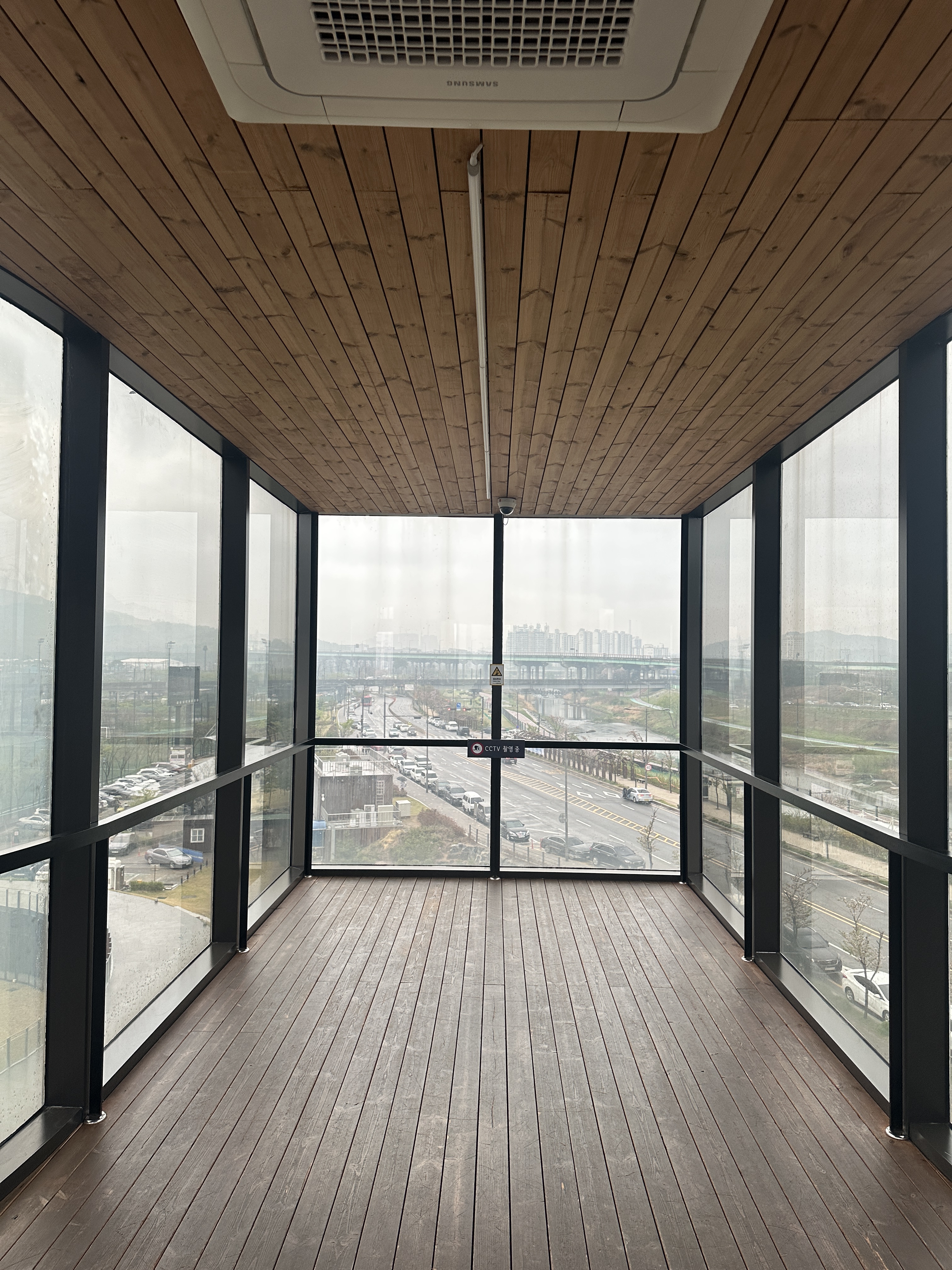
At the public’s request, the fifth building was converted into a Art center and history museum. There’s also an observatory where visitors can view preserved tanks and a segment of the Berlin Wall. The rooftops of all five buildings are connected, allowing for a rare walking experience above ground with a symbolic perspective on peace.
Visitor Information
Website
https://culturebunker.or.kr/
(Korean Only)
Admission fee
Free
Operate hours
09:00~18:00(closed on Mondays)
Address
6-5 Dobong-dong, Dobong-gu, Seoul
Nearby touristic destinations
Place of Death of Walton Harris Walker
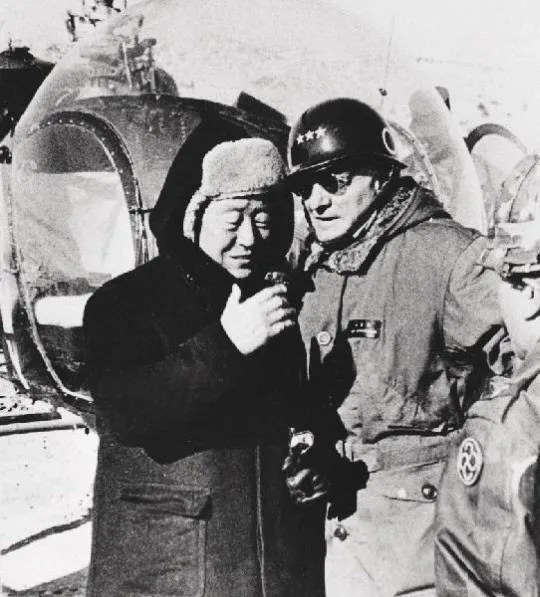
Lieutenant General Walton Harris Walker played a critical role during the early stages of the Korean War. He led UN forces in defending the southeastern region of Korea and famously declared “Stand or Die” while holding the Pusan Perimeter. His leadership helped pave the way for the Incheon Landing and the eventual counteroffensive.

His son, Sam Walker, also served in the Korean War as a company commander and was awarded the Silver Star for his bravery. General Walker tragically died in a car accident near what is now Dobong Station while en route to present the medal to his son. In recognition of his contributions, a memorial statue stands near the site of his death.
Address
595 Dobong-dong, Dobong-gu, Seoul
Changpo-won(Seoul Iris garden)

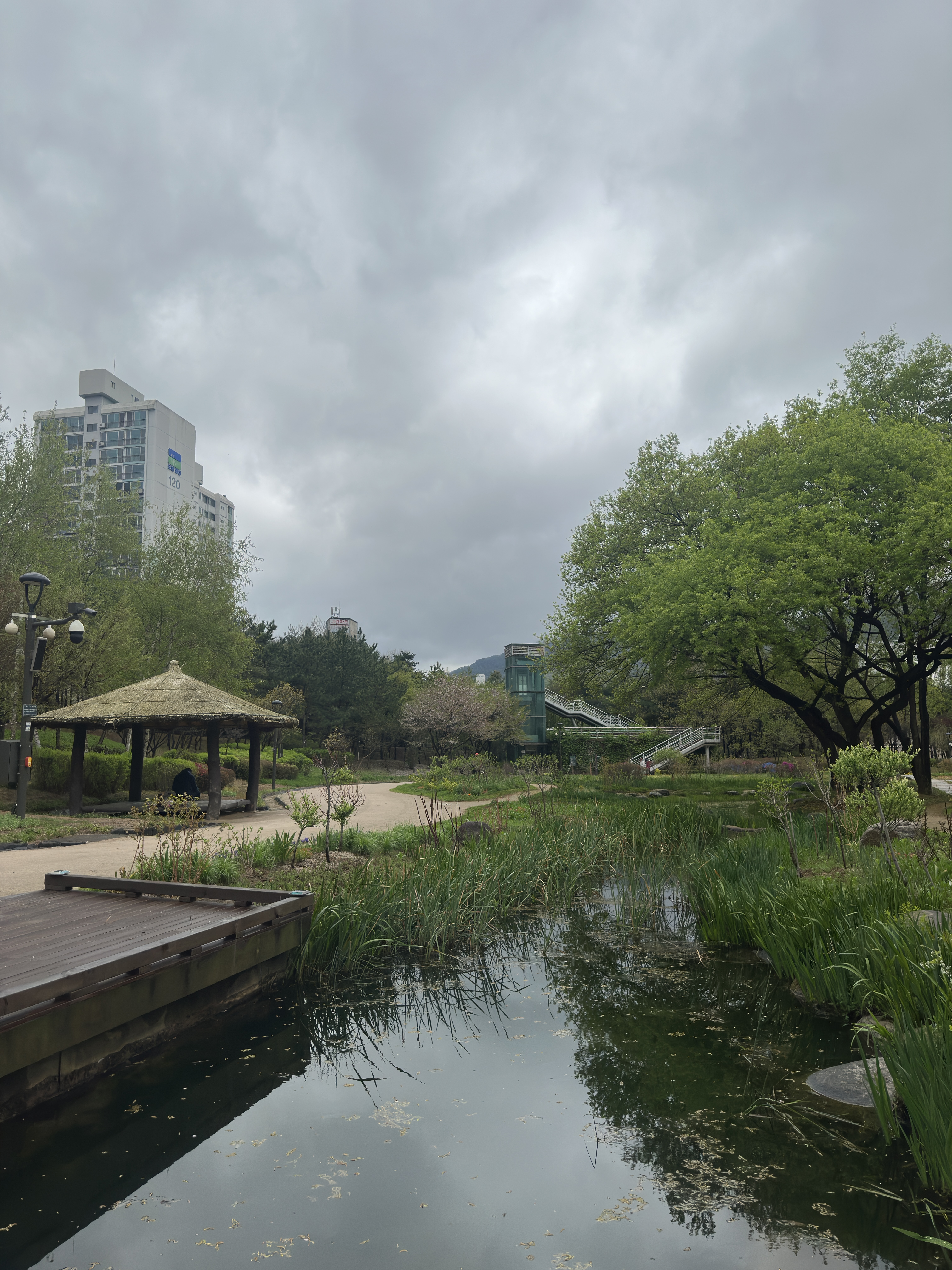
Formerly a restricted farm site, this area has been transformed into a lush iris garden. Right before summer, the blooming flowers create a stunning landscape. It’s also part of the Dulegil trail network.
Website
https://parks.seoul.go.kr/template/sub/irisgarden.do
(Only Korean)
Operate hours
24 hours
Address
916 Madeul-ro, Dobong-gu, Seoul
Kim GuenTae Memorial Library & archives

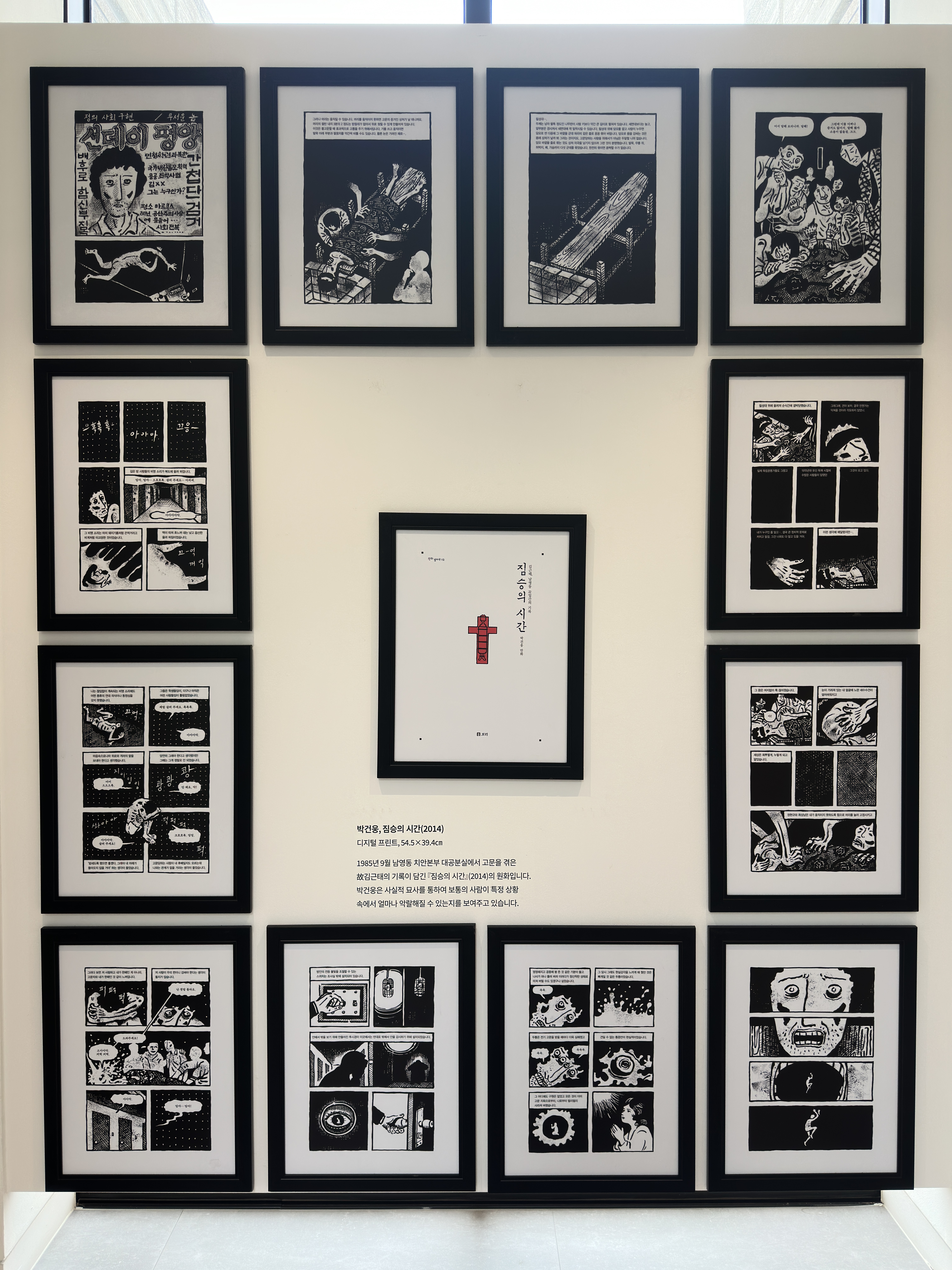
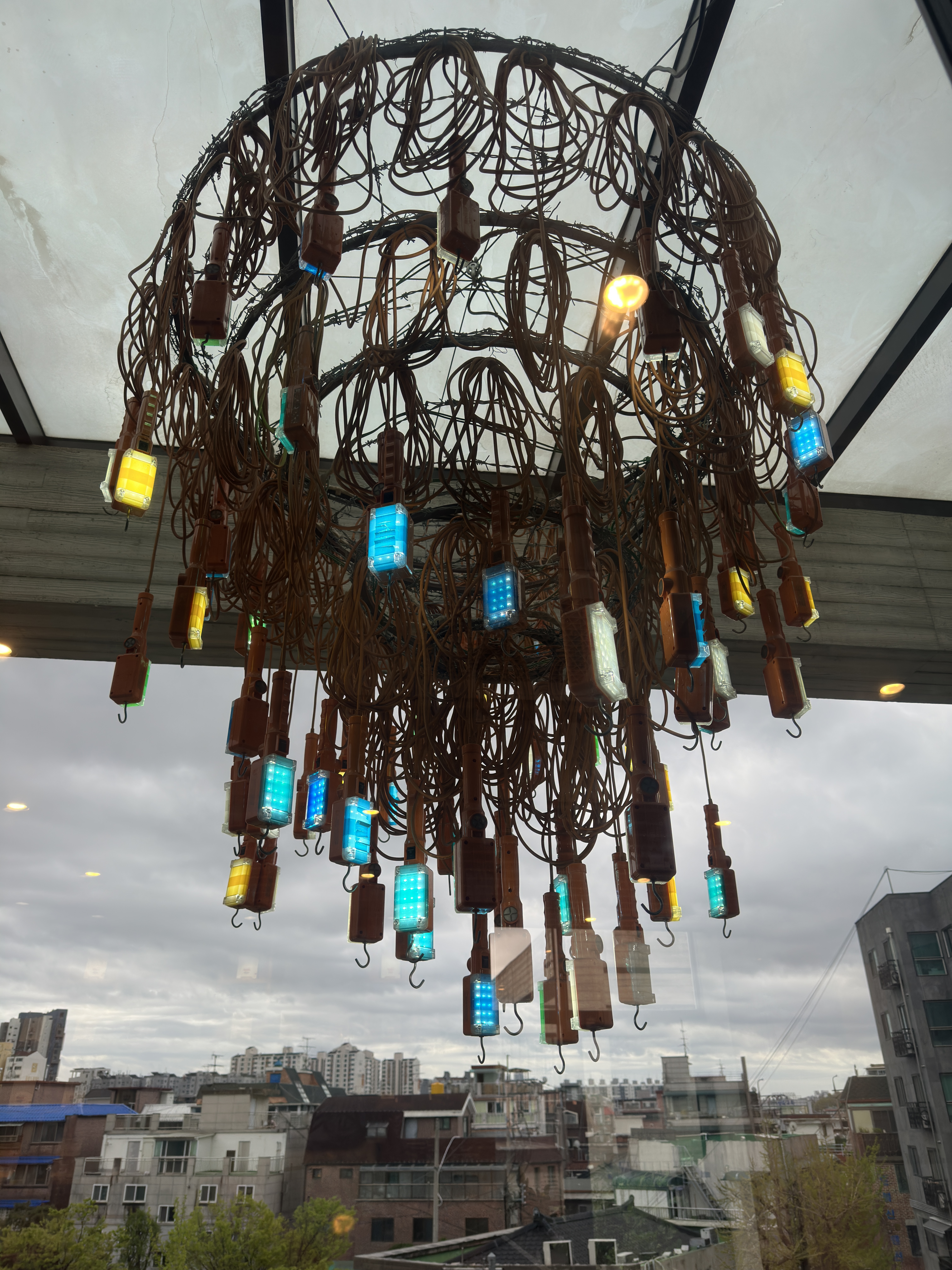
Located near the food street at Dobongsan’s trailhead, this memorial honors Kim Geun-tae, a democratic activist who suffered under dictatorship in the 1980s. Although he passed away in 2011, his legacy continues to inspire.
The library and archives are dedicated to the theme of democracy, and the unique architectural design itself is worth exploring.
Website
https://www.instagram.com/kgtmla
Operate hours
Tue–Fri: 09:00–20:00
Sat: 09:00–17:00
Sun: 12:00–17:00
Closed on Mondays
Address
916 Madeul-ro, Dobong-gu, Seoul
 EZ K-PEDIA
Leave a comment