

Nobel prize in literature from Korea

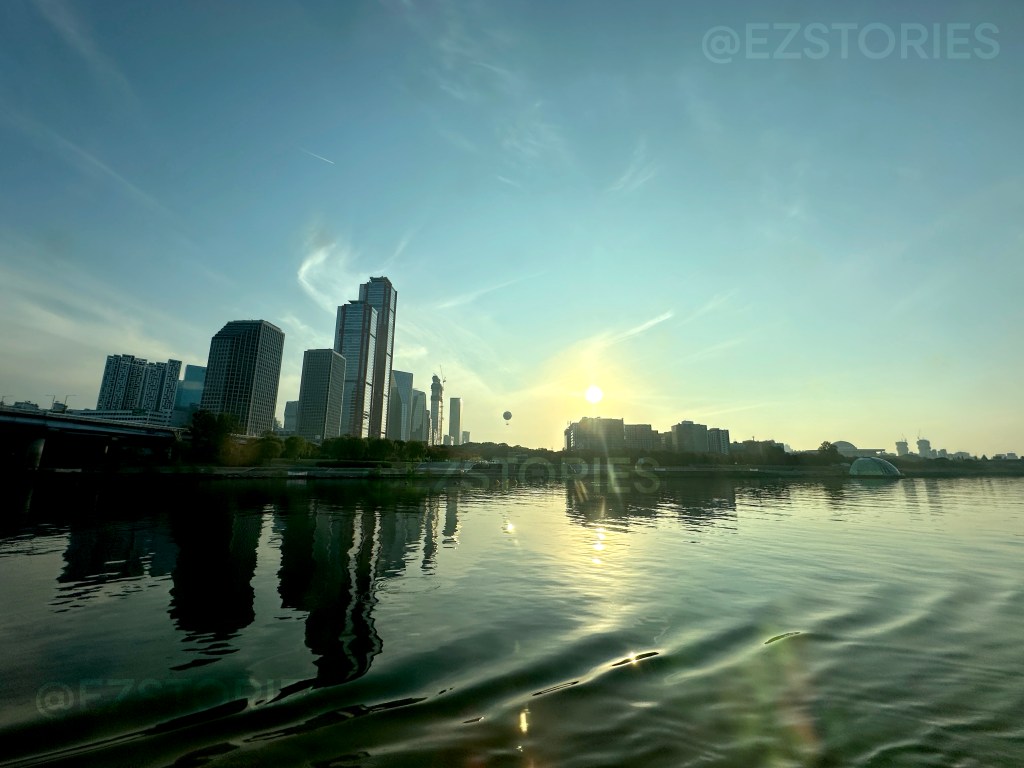
Last October, the global spotlight was on literature. The first Asian woman to win the Nobel prize in literature was born in South Korea. Her name, Han gang may cause confusion due to its similarity with Seoul’s iconic river, the Han river(Han Gang).
“For her intense poetic prose that confronts historical traumas and expresses the fragility of human life.”
This was the Official prize motivation as started on the Nobel Prize website. If you read even one of her novels, the message becomes clear. The Vegetarian and Human Act are among her most well-known works. The Vegetarian greatly contributed to her international recognition after it received the Man Booker international prize. She is not only recipient of the major global awards, but she has also received numerous literary honors in Korea. The Vegetarian was even adopted into a film.
Artist nature
She was born into artistic family. Her father, Han Sung-won, is known as a leading author of the older generation. His masterpiece ‘Aje Aje Bara Aje(a buddhist term meaning “come, come, come Upward “in Sanskrit), was adopted into a film. Both father and Han Gang won Yi Sang Literature Prize, one of the most prestigious Literary awards. Her brother and ex-husband also active in the literary field.
Han SeoungWon, Han Gang’s father.
The copyright belongs to Naver.
This background may played a major role in shaping her sensitivity to the emotional atmosphere of people and society. Her hometown is Gwangju, the city where ‘the May 18th Uprising’ occurred, which ended in a brutal massacre by the military dictatorship in 1980. Fortunately, her family had moved to Seoul just a few months before the uprising.
Although she was only a child at the time, she could still feel the difference in atmosphere when visiting her relatives in Gwangju. This contrast left a lasting impression on her and become the catalyst for writing about government violence and, more broadly, Human dignity.
Nominated Blacklist
Her bold artistic stance provoked a Various reactions. Some became devoted fans, while others remained neutral. In 2016, when she won the Man Booker international prize for ‘The Vegetarian’, she received only a brief message of congratulations from the Minister of Culture, Sports and Tourism. It was surprising to many that President Park Geun-hye, who would later be impeached in 2017, did not send a congratulatory message.
Later, it was revealed that her name had appeared on blacklist that created by the Ministry of Culture, Sports and Tourism under the president’s direction.
For telling the story of the Gwangju Uprising from the viewpoint of victims, Han Kang was placed on a government blacklist marked by the label “ideological bias”. She was one of nearly 10,000 artists and cultural figures deemed suspicious.
Yet she chose not to fight back with protests or public outrage, but with literature. Her perseverance and commitment to truth brought her international recognition and restored her honor in the most powerful way.
Human acts
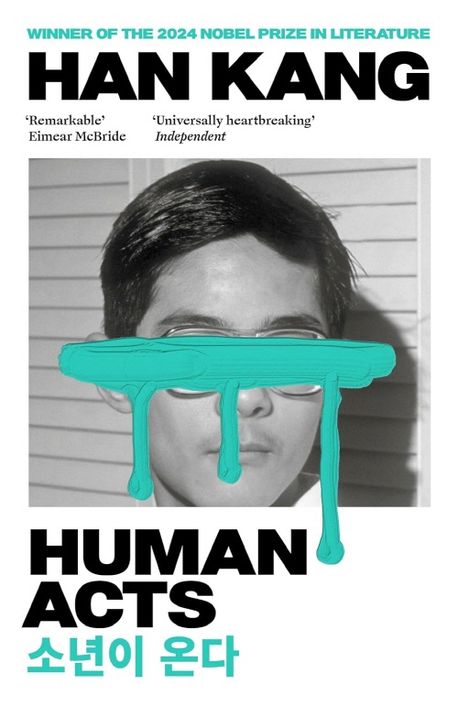
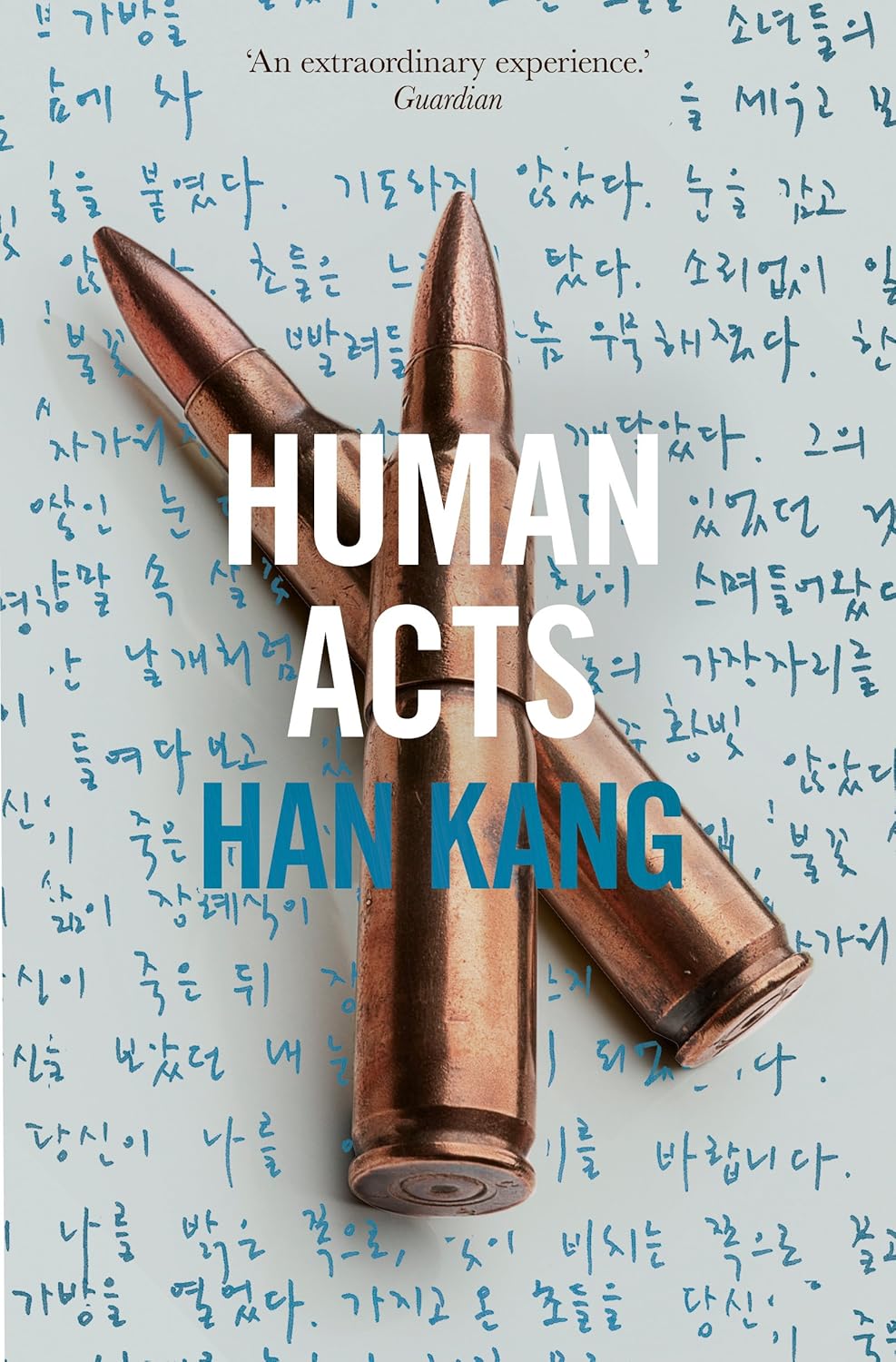

One of her significant books was translated into English as Human Acts. The English title intuitively reflects the theme, but I often wonder what the effect would have been if it had retain its original Korean title, ‘The Boy is coming’. While reading it, I sank deeply into the tragedy. But by the end, a small sense of hope began to sprout within me. At the very least, she had proven that someone still remembers and documents these people for the sake of the future. That’s the essence of Human acts-the testament to the progress of society through remembrance.
Related Touristic Places
where history, literature, and memory interwine
These sites in Gwangju are closely tied to the May 18 Democratic Uprising, the historical event that deeply influenced Han Kang’s Human Acts. Visiting these places offers a way to experience the emotional and physical spaces that inspired her writing.
- May 18th Democratization Movement Archives
this museum houses official records and testimonies from the 1980 Gwangju Uprising, which have been designated as a UNESCO memory of the World. Throght exhibitions and digital crchives visitors can learn about the uprising’s causes, consequences, and continued relevance.
🔗Website: https://518archives.go.kr/
📍Address: 221 Geumnam-ro, Dong-gu, Gwangju - Jeonil Building
Once the press center of Gwangju, this building stood at the heart of the May 18 Uprising. You can still ee bullet holes on its out walls-a vivid reminder of what happened.
* Free English tours are available(reservation required 3 days in advance)
🔗Website: https://www.gwangju.go.kr/jeonil/
📍Address: 245 Geumnam-ro, Dong-gu, Gwangju - 5.18 Democracy Square
This was the main Gathering site of the Uprising, and the location where Han Kang’s Human Acts evokes the memory of a female victim. While the Jeonnam Provincial Office building was demolished, the fountain still remains, serving as a symbol of resistance and remembrance.
📍Address: Geumnam-ro, Geumnamno 1(il)-ga, Dong-gu, Gwangju - May 18th National Cemetery
The final resting place of the victims of the Gwangju Uprising.
Here, you’ll find the grave of Moon Jae-hak, the real-life inspiration for “Dong-ho,” one of the main characters in Human Acts. The site offers a peaceful, Solemn environment for reflection and remembrance.
🔗Website: https://www.mpva.go.kr/518/index.do
📍Address: Address: 200 Minju-ro, Buk-gu, Gwangju - Literary connection: Yi sang
For those interested in Exploring Korean Literary roots, Han Gang is Known to be inspired by Avant-garde writer Yi Sang.
You can read more about his legacy and influence on modern Korean literature, visit other post blow.
https://ezspedia.com/2024/12/26/the-wings-lee-sang/
© 2025 EZKPEDIA all rights reserved.
 EZ K-PEDIA
Leave a comment