
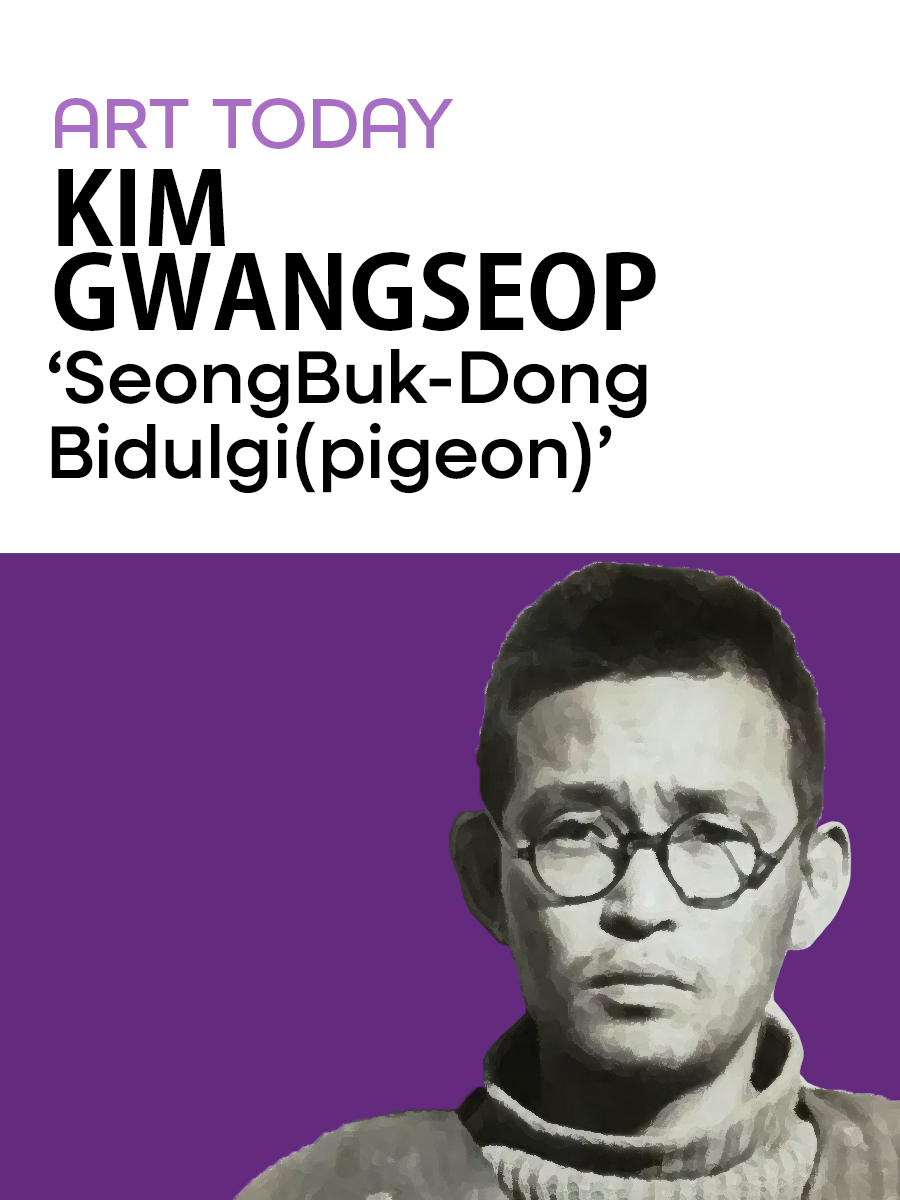
Art Today_Poet_07
Background
Korea is known as the Apartment Republic, a term coined due to the widespread construction of apartments since the 1970s. All the struggles had been endured after the Korean War, during which Korea, once the world’s poorest country, faced a real survival game. Koreans needed to stand up for themselves without any natural resources or infrastructure. They chose point-oriented policies driven by a desire for development, propelling them to become the 13th highest GDP country among 100 countries within 50 years. Such rapid development brought about a dark side, characterized by intense competition, standardization of all things, and the rise of dictatorships.

Symbol of property indicator
Apartments have become symbols of development, reflecting both bright and dark sides. People prefer apartments over landed houses, and their prices serve as property indicators. Many invest in apartments to accumulate wealth, making it an implicit rule for long-term financial planning.
Inevitable destruction
The Korean peninsula, with 70% of its terrain covered by mountains, faced extensive demolition to make way for standardized apartment complexes. Since the 1970s, the echo of dynamite has reverberated through the mountains, leaving behind dust and destruction. This relentless development has displaced not only wild animals but also humans from their habitats.
Regret of the times persists
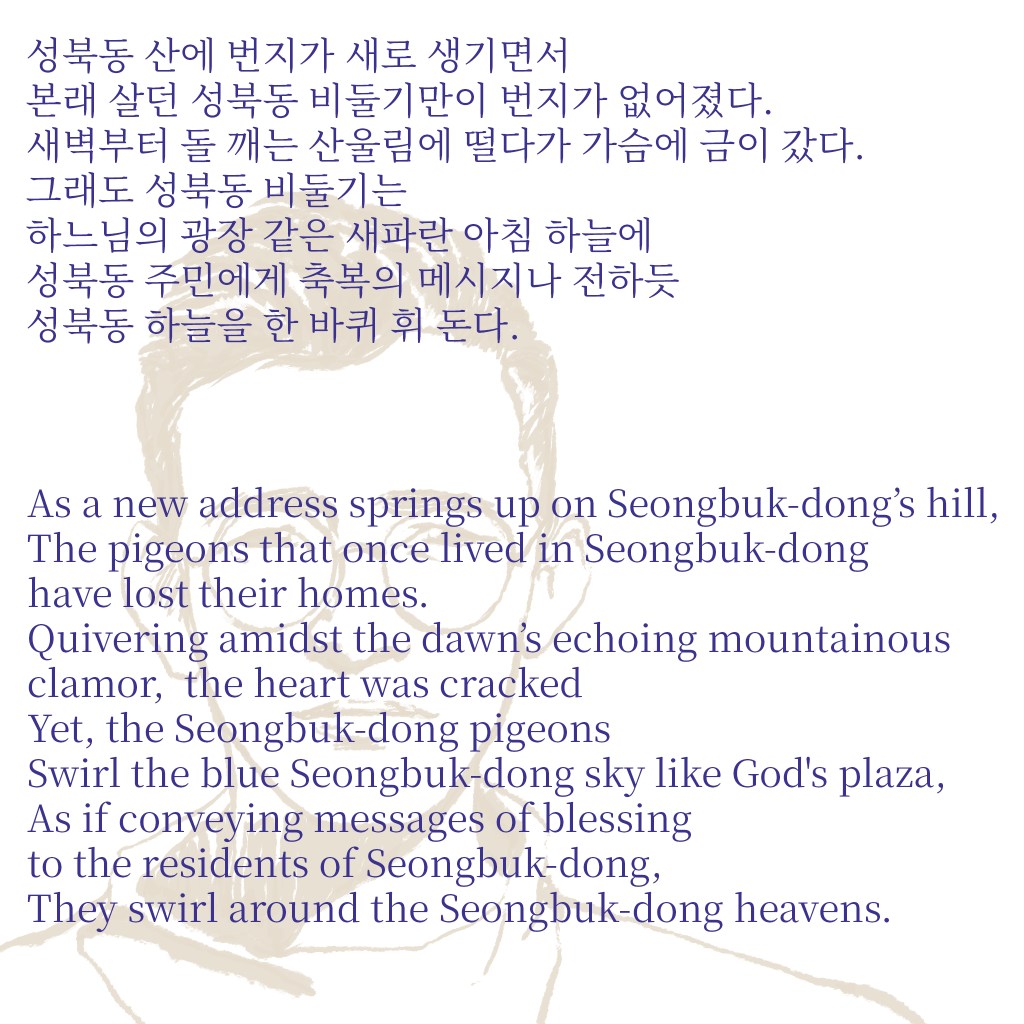
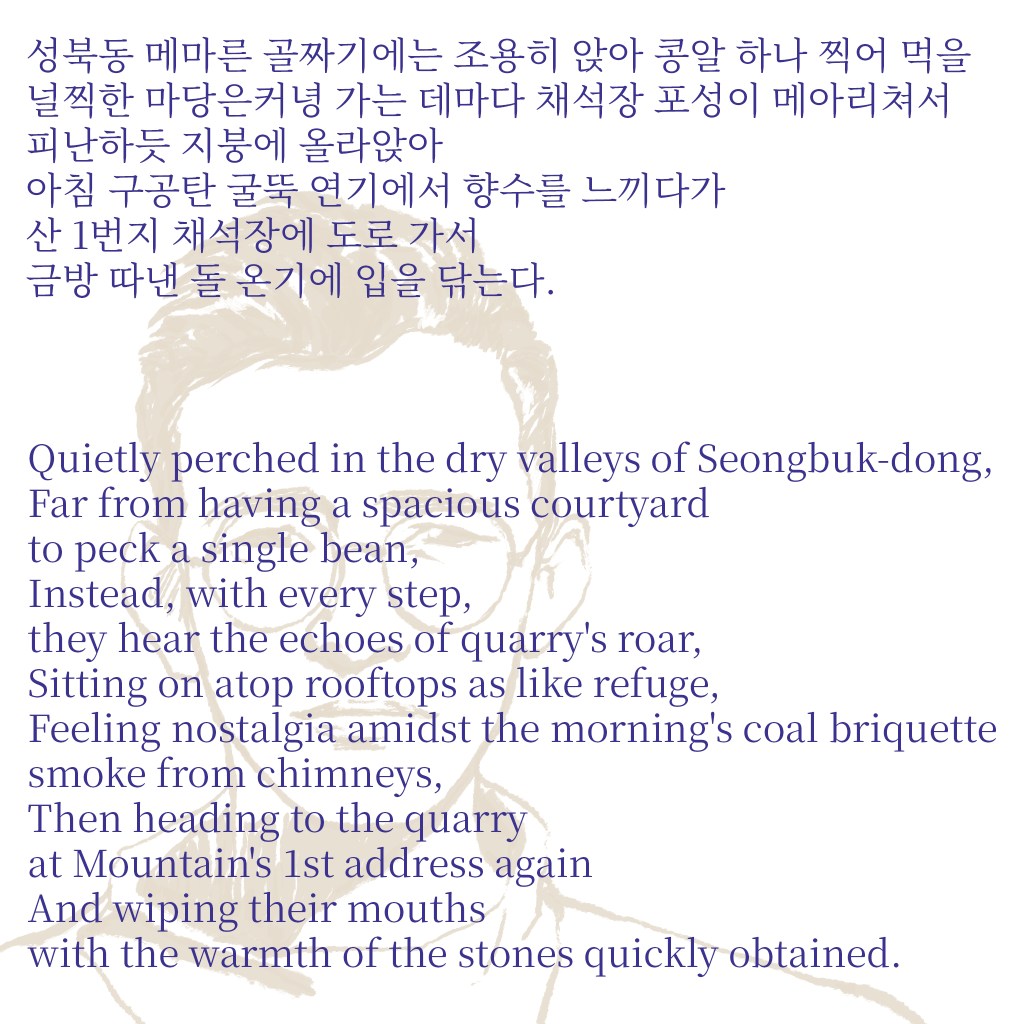
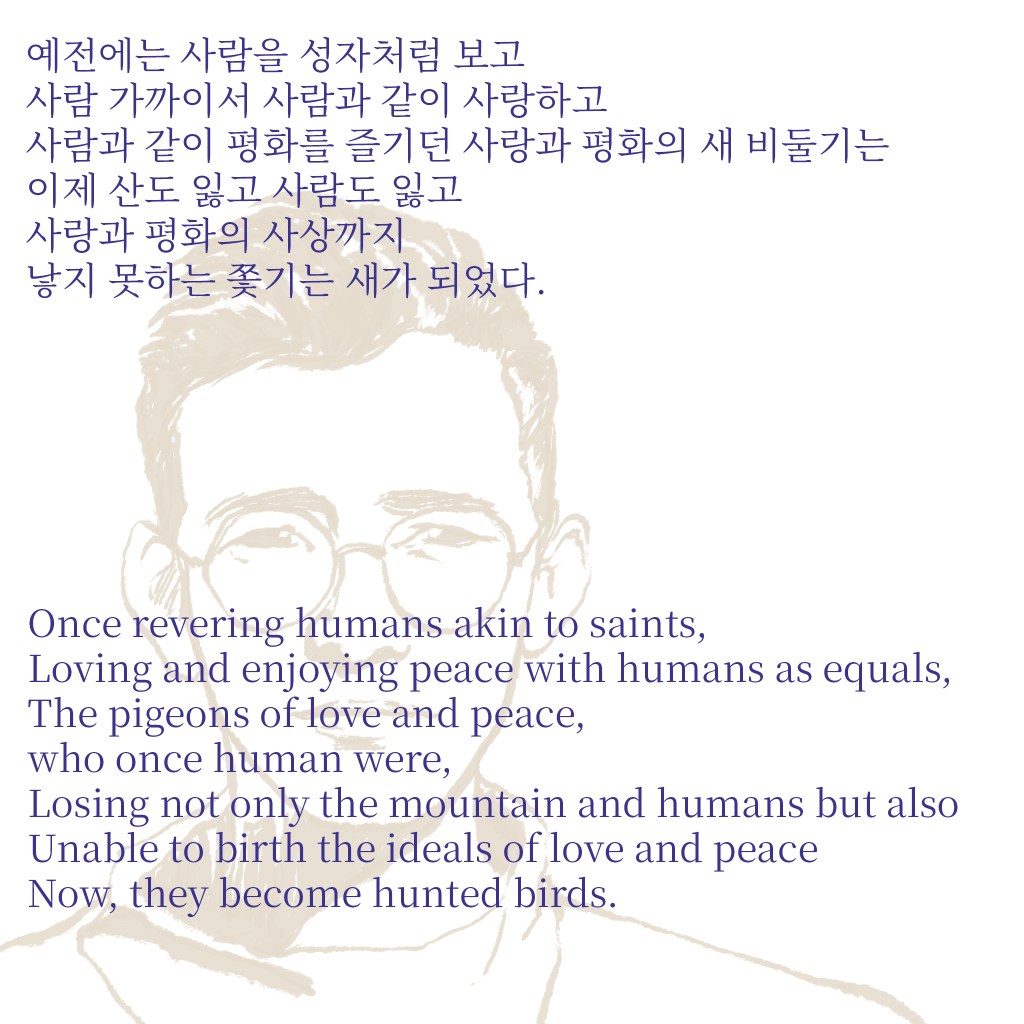
Poet GwangSeop Kim embodied the situation he witnessed, observing the demolition of mountains while residing in Seongbuk-dong, a neighborhood known for its literary residents and affluent inhabitants. As an independent activist during the Japanese colonial period and later as the chief secretary for the Korean 1st government, he deeply contemplated this state of affairs. His poem on the subject became one of his masterpieces, contributing significantly to the literary scene with its reflection of the regret of the times. His daughter continued his legacy by establishing the Isan Literary Award, named after his nickname, from 1989 to 2007.
Sadly, his poem still resonates today.
Relevant tourism attraction
Rest area for The Seongbuk-dong pigeons

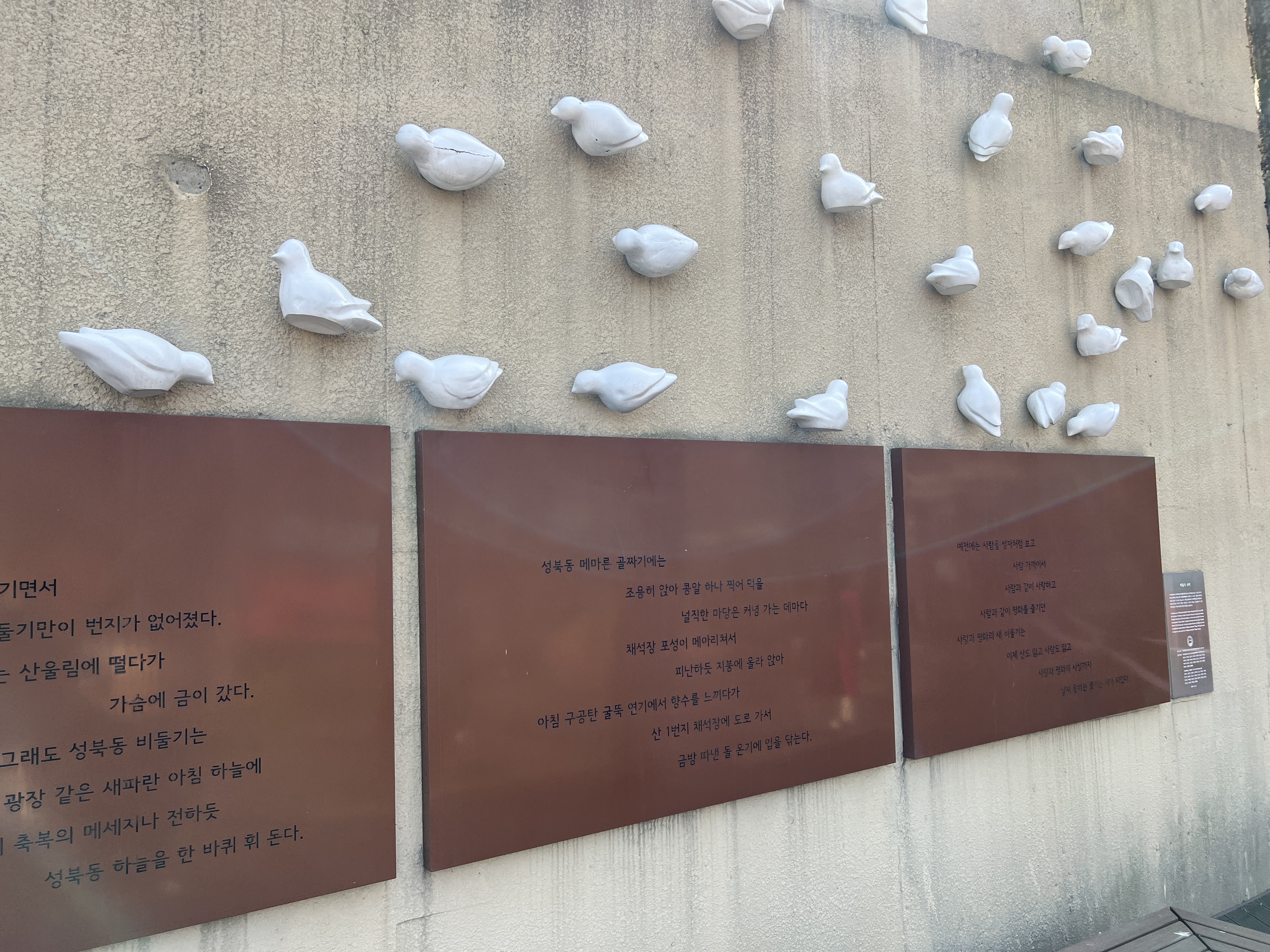
This small but charming spot features cute pigeons and GwangSeob Kim’s poetry. While it may be challenging to visit alone, it’s worth a stop if you’re planning to visit GilSang-Sa buddhist temple, or SuYeonSanBang 🙂
Address
224-14 Seongbuk-dong, Seongbuk-gu, Seoul
Available for 24 hours.
Free admission.
EZsPEDIA © 2024 by YUNMI LEE is licensed under CC BY-NC-ND 4.0


Leave a Reply