

Buddhist temple Project: Practice 01
The Buddhist temple established on literature
Poor in my poverty
As I loved the beautiful Natasha
Tonight the snow descended completely.
– A part of poem ‘Me, Natasha and the white Donkey’ by Seok Baek.

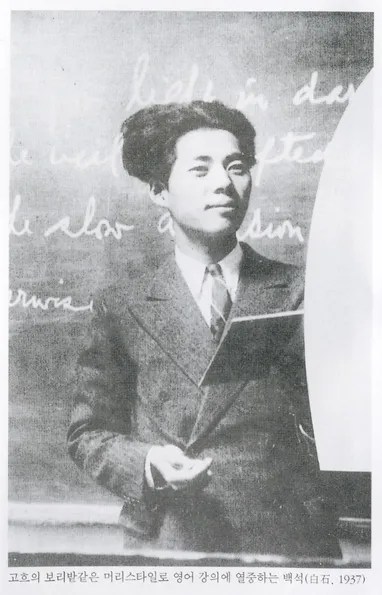
Story of Natasha or Jaya
There was a Giseang (female entertainer for the high class) nicknamed Jinhyang. Her family went bankrupt due to fraud. She became a Gisaeng to revive her family’s fortunes at the age of 16. She fell in love with the poet ‘Seok Baek’ when she was 22. Seok Baek visited her every night after work and gave her the nickname ‘Jaya’, which is a woman’s name from Chinese myth. Seok asked her to leave everything behind and depart Korea, as their parents objected to their love due to her status. However, she declined because she didn’t want to disrupt his life as a celebrity, so he left for Manchuria alone.
That was the last time they saw each other. Despite the Korean War affecting the entire peninsula, she grew her business and eventually established her own Yojeong (a high-class restaurant that offers entertainment). It became one of the top establishments in the 1970s.
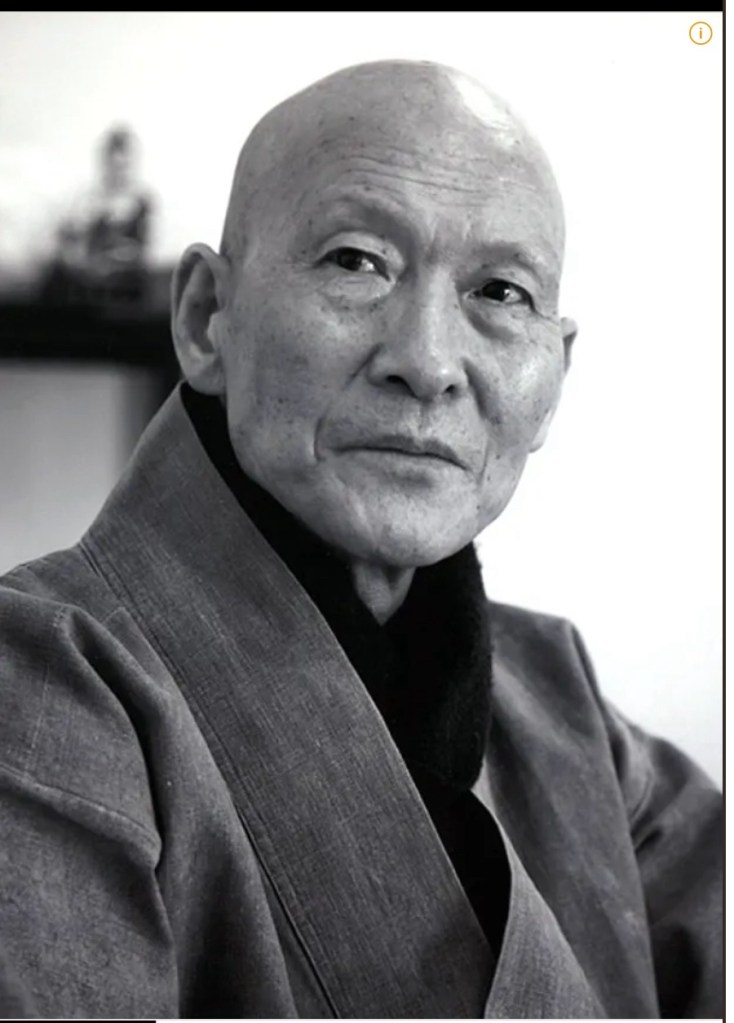
Greatest monk BeopJeong
During the same period, Buddhist monk BeopJeong wrote his essay ‘Musoyoo’ (Non-Possession). BeopJeong is considered one of the greatest monks in Korean history, not only for his writing but also for his unwavering commitment to his faith. His iconic adherence to the principle of non-possession made him the most famous monk of his time. Despite his efforts to avoid fame, his reputation only grew. Younghan Kim, the owner of the high-class restaurant ‘Daewon-gak’ in Korea, dedicated her establishment to BeopJeong monk in 1997. Her decision was influenced by her reading of his essay on non-possession.
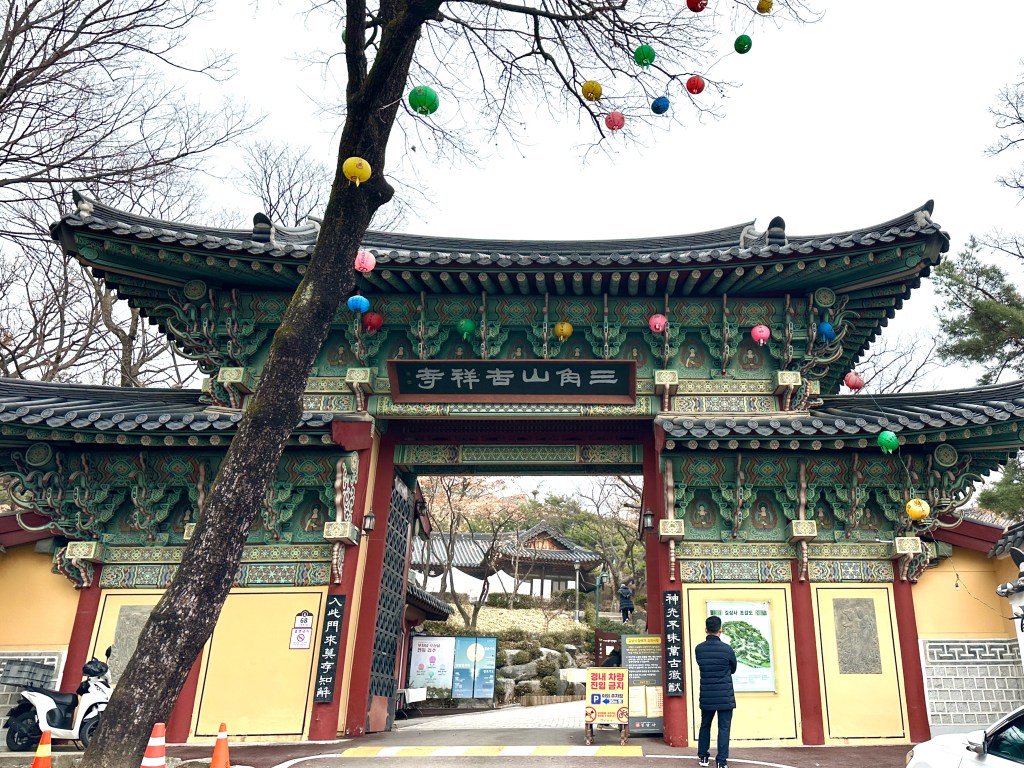
Yojeong, dedicated to Buddhist monk
‘Daewon-gak’ was located in ‘Seongbuk-Gu’, near the Blue House and surrounded by foreign embassies. It was considered one of the top high-class restaurants specializing in serving foreign tourists with entertainment in the 1970s. The value of the restaurant was around 100 billion won (approximately 7.7 million dollars) at that time. However, owner Younghan Kim persisted in her efforts to dedicate the temple for ten years because the monk initially refused. Ironically, his lifestyle of ‘non-possession’ brought him a significant gift. The monk named the Buddhist temple ‘Gilsang-sa’ and gave her the Buddhist name ‘Gilsang-hwa’. She expressed, “I’m a woman who has committed many sins. I don’t know much about Buddhism… That pavilion was once used as a dressing room for Gisaeng, but I hope to hear the pure and magnificent sound of the Dharma bell from there.”

Character of Gilsangsa
Due to its history as a Yojeong, Gilsang-Sa has a unique structure compared to other temples. It lacks the typical Ilju-mun (Gate of One Pillar) and Cheonwang-mun (Gate of Four Heavenly Kings) at the entrance, which are common features of most temples. The main hall, named Geukrak-Jeon, dedicat to Amitabha (the Buddha of the Western Heaven), is situated on the left, while other buildings such as the Yosachae (monk’s residence) are located behind the main hall. Additionally, the pagoda is positioned next to the Seolbeop-Jeon (auditorium), rather than in front of the main hall.
Generous temple to other religion
The most captivating feature is the avalokitesvara Bodhisattva statue, which is the first thing people notice upon entering. It bears a resemblance to the Statue of Mary in Catholicism. Beopjeong monk was a social activist involved in the pro-democracy movement, as well as an open-minded individual supportive of various causes. He expressed a desire for interreligious cooperation, particularly with Catholics, and commissioned a Catholic sculptor to create the symbolically generous Guan-in statue. The Catholic community accepted his gesture and invited him to preach at Myeong-dong Cathedral.
Became a Buddhist temple
Beopjeong monk passed away in Gilsang-sa, and various people, including believers from other religions, participated in his funeral ceremony. His portrait and remains are enshrined in ‘Jinyong-gak,’ the highest building in the temple. Additionally, the benefactor Gilsang-hwa (Younghan Kim) rests in peace in the pagoda, located on the left side of the main hall by evoking memories of Natasha, the heroine of Seok Baek’s poem.
Address: 68 Seonjam-ro 5-gil, Seongbuk-gu, Seoul
EZsPEDIA © 2024 by YUNMI LEE is licensed under CC BY-NC-ND 4.0

 EZ K-PEDIA
Leave a comment